
Food & Drink
What Microwaving Actually Does to Your Food Will Surprise You
Discover why microwaving preserves 97% of nutrients while boiling destroys 55%. The truth about cooking methods and nutrition will change how you cook forever.

Published
10 months agoon
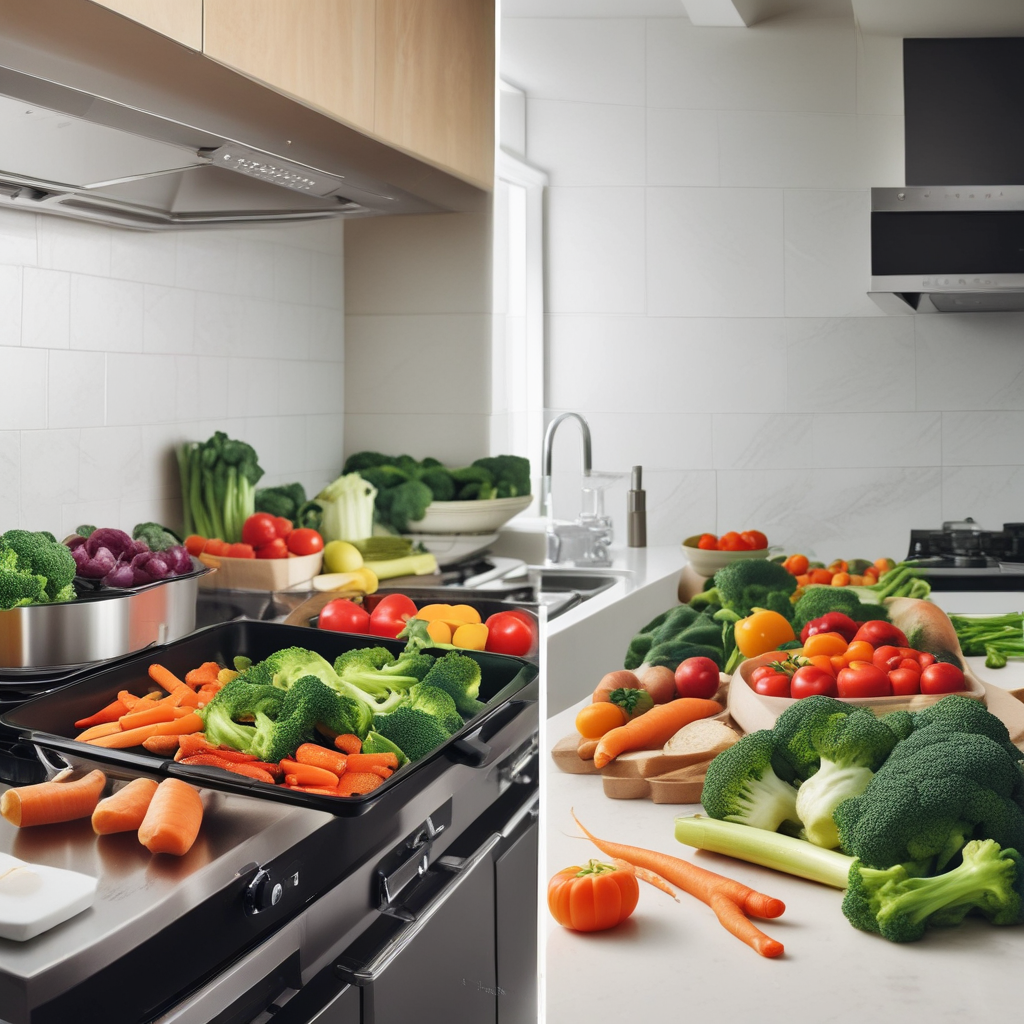
Think microwaving destroys nutrients while boiling vegetables is healthier? You’ve been lied to. New research reveals that the cooking method you’ve been avoiding actually preserves up to 97% of vitamin C, while that pot of boiling water on your stove destroys up to 55% of your food’s nutritional value. The hidden science of how cooking methods nutrition actually works will completely transform your kitchen habits.
The Great Vitamin Vanishing Act: Which Nutrients Disappear and Why
Not all vitamins are created equal when it comes to surviving the heat. Water-soluble vitamins like vitamin C and B-complex vitamins are the main casualties in most cooking processes, but the extent of loss depends entirely on your chosen method.
The Boiling Disaster
When you boil vegetables, you’re essentially creating a vitamin graveyard. Here’s what actually happens:
- Vitamin C losses: 15-55% leach directly into the cooking water
- B vitamins disappear through prolonged heat exposure and water contact
- Folate degrades rapidly in high-temperature water
- Most people pour the nutrient-rich cooking water down the drain
According to Clean Plates nutritional research, this traditional cooking method represents one of the most nutritionally destructive approaches in modern kitchens.
The Microwave Miracle: Science’s Best-Kept Nutritional Secret
Despite decades of fear-mongering, microwaving emerges as the unexpected champion of nutrient retention cooking. The science behind this revelation lies in two critical factors: minimal water use and dramatically reduced cooking times.
Why Microwaves Preserve Nutrients Better
Microwaving typically preserves 74-97% of vitamin C content, making it superior to almost every traditional cooking method. The reasons are surprisingly simple:
- Speed matters: Shorter cooking times mean less nutrient degradation
- Water isn’t the enemy: Minimal water contact prevents vitamin leaching
- Even heating: Microwaves heat food from the inside out, reducing hot spots
- Lower temperatures: Despite popular belief, microwaved food often reaches lower peak temperatures
Research from Organize for Living confirms that microwaving actually helps retain water-soluble vitamins that are typically lost during conventional cooking methods.
When Cooking Creates Nutrition: Foods That Become Healthier
Here’s where the story gets truly fascinating: some foods actually become more nutritious when cooked. This counterintuitive reality challenges everything we thought we knew about raw versus cooked foods.
The Tomato Transformation
Lycopene bioavailability in tomatoes increases by 35% when cooked due to the breakdown of tough cell walls. This powerful antioxidant becomes significantly more accessible to your digestive system through heat application.
The Carotenoid Connection
Cooking doesn’t just preserve nutrients—it actively creates better absorption pathways:
- Beta-carotene absorption increases 3-5 times when vegetables are cooked with small amounts of fat
- Thiamin, vitamin B6, niacin, and folate bioavailability improves through cooking
- Cell wall breakdown frees nutrients trapped in food microstructures
According to comprehensive cooking research, heat application serves as external pre-digestion, making many nutrients more accessible to our bodies.
The Gentle Cooking Revolution: Methods That Maximize Nutrition
The key to healthy cooking methods lies not in avoiding heat, but in applying it intelligently. Gentle techniques preserve nutrients while enhancing flavors and improving bioavailability.
Steaming: The Goldilocks Method
Steaming retains 80-90% of water-soluble vitamins compared to just 45-65% retention in boiling. This method hits the sweet spot between preservation and enhancement:
- No direct water contact prevents vitamin leaching
- Moderate temperatures preserve heat-sensitive nutrients
- Steam penetration breaks down cell walls gently
- Natural flavors concentrate rather than dilute
Roasting and Sautéing Strategies
These dry-heat methods offer unique nutritional advantages when executed properly:
- Quick sautéing with minimal oil preserves vitamins while improving fat-soluble vitamin absorption
- Low-temperature roasting concentrates flavors without destroying nutrients
- Caramelization creates new beneficial compounds through Maillard reactions
Practical Kitchen Strategies: Simple Techniques for Maximum Nutrition
Transforming this scientific knowledge into daily cooking habits doesn’t require a complete kitchen overhaul. Strategic adjustments to your existing routines can dramatically improve your food’s nutritional profile.
The Fat-Soluble Vitamin Taxi Service
Adding small amounts of healthy fats during cooking acts like a nutritional delivery system. Fat-soluble vitamins A, D, E, and K require fat for proper absorption, making this simple addition crucial for maximizing nutritional benefits.
Water Management Techniques
When you must use water in cooking, implement these nutrient retention cooking strategies:
- Use minimal water: Just enough to create steam
- Save cooking liquids: Repurpose nutrient-rich water for soups or stocks
- Start with boiling water: Reduces overall cooking time
- Cover pots: Traps steam and reduces cooking time
Research from Whole Food Value demonstrates that these simple modifications can preserve up to 40% more nutrients in everyday cooking.
Temperature and Timing Mastery
The relationship between heat, time, and vitamin loss cooking follows predictable patterns:
- Lower temperatures for longer periods often preserve more nutrients than high-heat quick cooking
- Blanching vegetables for 1-2 minutes can actually improve nutrient availability
- Resting periods allow heat distribution without additional nutrient loss
Reframing the Raw Versus Cooked Debate
The evidence is clear: the raw food superiority myth crumbles under scientific scrutiny. Cooking methods nutrition science reveals that intelligent cooking often creates more nutritious, digestible, and beneficial foods than raw alternatives.
Your grandmother’s boiled vegetables weren’t nutritional disasters—they were simply missing modern optimization techniques. By embracing gentle cooking methods, strategic fat addition, and yes, even occasional microwaving, you can create meals that are both delicious and nutritionally superior to their raw counterparts.
The next time someone tells you that cooking destroys nutrition, remind them that science tells a much more nuanced story. The key isn’t avoiding heat—it’s learning to harness it intelligently for maximum nutritional benefit.

You may like


What Drinking Water at the Wrong Time Does to Your Brain Is Shocking


The Forgotten Story of Human Computers That Changed Everything


Ancient Alchemists’ Pottery Secret That Modern Science Finally Decoded


These Cosmic Beacons Outshine 100 Billion Stars – What They Hide Is Stunning


Why Internet Access Transforms Poverty Into Revolution Changes Everything

What 95% of Dieters Don’t Know About Food Marketing Is Mind-Blowing
Food & Drink
Why Ancient Food Combos Work 8x Better Than Modern Science Predicted
Traditional recipes aren’t just delicious—they’re scientifically perfect umami formulas that amplify flavor intensity by 800%. Discover the hidden chemistry.
Published
8 months agoon
February 19, 2026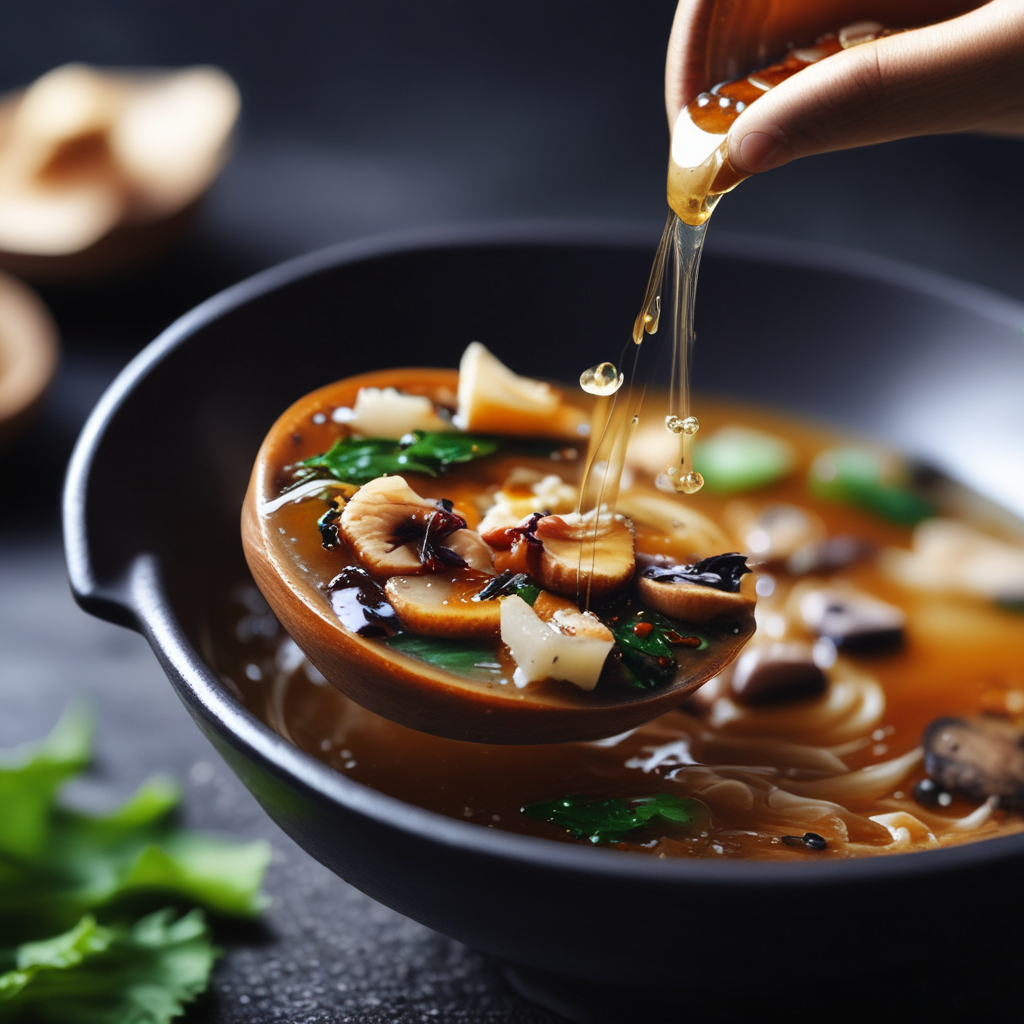
Ever wonder why your grandmother’s tomato sauce tastes exponentially better with a sprinkle of aged Parmesan? Or why that simple Japanese dashi made from seaweed and fish flakes creates such an impossibly rich, satisfying flavor? The answer lies in a century-old scientific discovery that revealed these aren’t just delicious traditions—they’re chemically perfect formulas that amplify taste intensity by up to 800%.
The Game-Changing Discovery That Revolutionized Flavor Science
In 1907, Japanese chemist Kikunae Ikeda made a breakthrough that would forever change our understanding of taste. While analyzing the distinctive flavor of kombu seaweed broth, Ikeda identified something beyond the four recognized tastes of sweet, sour, salty, and bitter. He called it umami—literally meaning “pleasant savory taste” in Japanese—and declared it the fifth fundamental taste.
What Ikeda discovered wasn’t just another flavor note. He had unlocked the secret behind why certain food combinations have been beloved across cultures for millennia. According to research documented on umami science, this fifth taste is triggered by glutamates and ribonucleotides, compounds naturally present in aged cheeses, cured meats, mushrooms, tomatoes, and fermented foods.
The Shocking 8x Amplification Effect That Explains Everything
Here’s where umami gets truly mind-blowing: unlike the other four tastes, umami’s power lies in synergy. When foods rich in glutamate combine with ingredients containing ribonucleotides, something extraordinary happens.
The Science Behind the Magic
Research reveals that these combinations don’t just add together—they multiply. The resulting taste intensity can be up to eight times higher than what each ingredient contributes individually. This explains why:
- Tomato sauce + Parmesan cheese creates exponentially more flavor than either alone
- Kombu seaweed + bonito flakes in dashi produces impossibly rich broth
- Mushrooms + aged beef in stews taste incredibly satisfying
- Soy sauce + shiitake mushrooms create depth that seems magical
As noted by umami taste research, this synergy effect means that “when foods rich in glutamate are combined with ingredients that have ribonucleotides, the resulting taste intensity is higher than would be expected from merely adding the intensity of the individual ingredients.”
Ancient Wisdom Meets Modern Science: Why Traditional Recipes Are Actually Perfect Formulas
What’s truly fascinating is that cultures around the world independently developed these scientifically perfect combinations long before anyone understood the chemistry behind them. Our ancestors didn’t know about glutamate-ribonucleotide synergy—they just knew certain combinations tasted incredible.
Classic Pairings Decoded
Modern umami taste science reveals that these beloved traditional combinations are actually optimized flavor formulas:
- Italian cuisine: Tomatoes (glutamate) + Parmesan (glutamate + natural amplifiers)
- Japanese cuisine: Kombu seaweed (glutamate) + bonito flakes (ribonucleotides)
- French cuisine: Aged cheeses (glutamate) + cured meats (ribonucleotides)
- Chinese cuisine: Soy sauce (glutamate) + shiitake mushrooms (ribonucleotides)
According to culinary science research, these combinations represent thousands of years of unconscious optimization, where humans naturally gravitated toward the most satisfying flavor combinations without understanding why.
The Dark Side: When Umami Goes Too Far
But here’s the catch—more umami isn’t always better. There’s a precise threshold where umami enhancement becomes umami overload, and the results are distinctly unpleasant.
The Metallic Taste Threshold
When you combine too many high-glutamate ingredients—think MSG, soy sauce, and aged Parmesan all together—something surprising happens: the food develops a metallic, unpleasant taste. This reveals why balance is crucial in cooking and why traditional recipes rarely overdo umami ingredients.
Professional chefs understand this instinctively. The key is using umami to enhance, not dominate. If a dish feels “heavy” or “off,” you’ve likely crossed the umami threshold.
Revolutionary Applications: How Understanding Umami Science Changes Everything
This scientific understanding is transforming both professional kitchens and home cooking. Modern chefs are applying umami principles to create new combinations and enhance existing recipes.
Practical Umami Hacks
Understanding the glutamate-ribonucleotide synergy opens up countless possibilities:
- Enhance vegetarian dishes: Add mushrooms (natural glutamate) to tomato-based sauces
- Boost meat dishes: Include aged cheeses or fermented ingredients
- Improve soups: Combine seaweed with mushroom or meat-based broths
- Upgrade pasta: Use fish sauce or anchovies with tomato sauces
As highlighted in recent culinary trends, even traditional spice-focused cuisines are incorporating umami principles, with chefs noting that “MSG can harmoniously coexist with other tastes and is used in everything from ramen to risottos to red curry.”
The Global Umami Revolution
What’s emerging is a new understanding that umami is universal. Every major cuisine has independently discovered these principles, suggesting that humans have an innate ability to detect and crave these synergistic effects. Foods naturally rich in umami include:
- Aged and fermented products (cheeses, cured meats, fish sauce)
- Mushrooms (especially shiitake and porcini)
- Tomatoes and tomato products
- Seaweed and sea vegetables
- Nuts and seeds
- Fermented soy products
The Future of Flavor: Where Umami Science Is Heading
As our understanding of umami taste science deepens, we’re discovering that this fifth taste may hold keys to addressing modern challenges like creating more satisfying plant-based foods, reducing sodium in processed foods, and understanding why certain comfort foods are so psychologically satisfying.
The revelation that our ancestors unknowingly mastered sophisticated flavor chemistry through trial and error suggests there’s still much to discover about the intersection of taste, culture, and human psychology. What seemed like simple tradition was actually advanced food science—and understanding this opens up infinite possibilities for creating more delicious, satisfying, and innovative cuisine. The next time you taste that perfect combination of flavors, remember: you’re experiencing thousands of years of unconscious optimization, backed by cutting-edge science that reveals why some tastes are simply meant to be together.
Food & Drink
What Happens Inside Your Brain During Stress Eating Is Shocking
Your brain literally rewires itself when stressed, creating specific food cravings. Discover the hidden neurochemical processes behind emotional eating.
Published
8 months agoon
February 17, 2026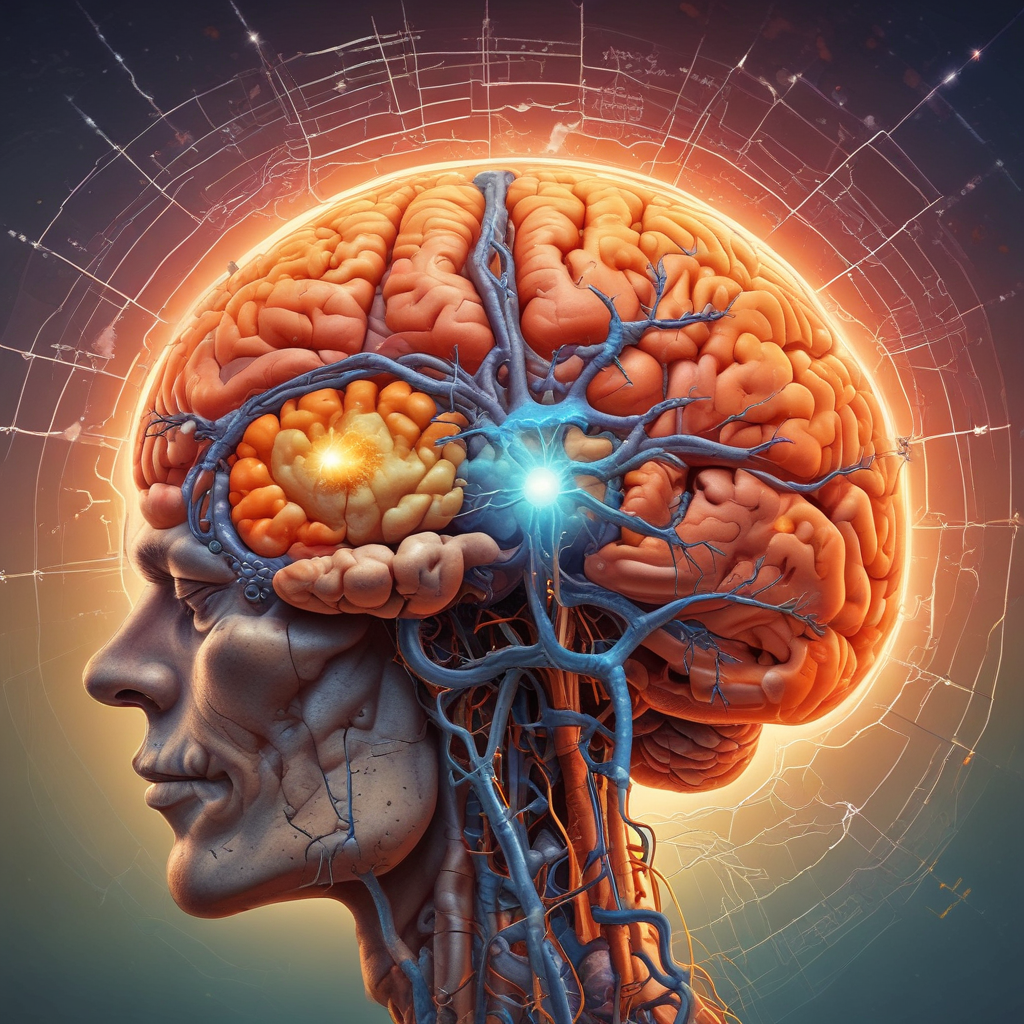
At 2 AM, you find yourself standing in front of an open refrigerator, reaching for that pint of ice cream despite having eaten dinner just hours ago. Sound familiar? What you’re experiencing isn’t a lack of willpower—it’s your brain being hijacked by a complex neurochemical process that literally rewires your taste preferences when you’re stressed.
Recent groundbreaking research reveals that emotional eating science involves measurable changes in brain chemistry that create an irresistible urge for specific comfort foods. Unlike simple hunger, stress eating represents a fundamental shift in how your neural pathways process food cravings, transforming your relationship with food from sustenance into a sophisticated coping mechanism.
The Neurochemical Takeover: How Stress Rewires Your Brain
When you’re under stress, your brain doesn’t just make you want food—it completely transforms which foods you crave and why. Sydney scientists have discovered that stress combined with calorie-dense comfort food creates measurable brain changes that drive more eating and boost cravings for sweet, highly palatable foods.
This neurochemical transformation happens through several key processes:
- Cortisol release floods your system, triggering specific hunger signals
- Dopamine pathways become hypersensitive to high-fat, high-sugar foods
- Neural reward circuits prioritize immediate gratification over long-term health
- Memory centers activate associations between specific foods and emotional comfort
The most fascinating aspect of this process is that your brain doesn’t just want any food—it develops laser-focused cravings for particular textures, flavors, and food combinations that it has learned provide emotional relief.
The Chemistry of Comfort Food Addiction
Research shows that comfort foods provide what experts call “emotional nutrition” in the form of familiar tastes and a sense of security during stressful situations. However, when consumed in large quantities, these foods become genuinely addictive due to their impact on brain chemistry.
The combination of stress hormones and high-calorie foods creates a feedback loop that strengthens neural pathways associated with emotional eating, making future stress-induced cravings even more powerful and specific.
Decoding the Craving Code: Why Chocolate, Not Carrots
Ever wonder why stress makes you crave a warm chocolate chip cookie instead of a crisp apple? The answer lies in how your brain processes different types of foods during emotional distress. Academic research on emotional eating reveals that negative emotions and social norms act as triggers for very specific food preferences.
Your stressed brain seeks out foods with particular characteristics:
- High sugar content for immediate energy and mood elevation
- Creamy or soft textures that provide sensory comfort
- Familiar flavors associated with positive memories
- High calorie density to satisfy the perceived need for energy reserves
The Memory Connection
Your food cravings during stress aren’t random—they’re deeply connected to your emotional memories. Foods that provided comfort during childhood, celebrations, or previous stressful periods become neurologically “tagged” as solutions to emotional distress.
This is why different people crave different comfort foods based on their personal history and cultural background. Your brain has essentially created a personalized emotional eating “prescription” based on past experiences.
The Tale of Two Hungers: Physical vs Emotional
Understanding the difference between true hunger and emotional eating is crucial for breaking the stress-food cycle. Medical research shows that unlike true hunger which builds gradually, stress-driven cravings strike suddenly after triggering events and center on specific comfort foods rather than balanced meals.
Physical Hunger Characteristics:
- Develops gradually over time
- Can be satisfied with various healthy foods
- Stops when you feel physically full
- Comes with physical symptoms like stomach growling
- Doesn’t create guilt or shame
Emotional Hunger Characteristics:
- Strikes suddenly and feels urgent
- Craves specific comfort foods only
- Persists even after feeling physically full
- Often triggered by emotions, not physical sensations
- Frequently followed by guilt or regret
Mayo Clinic research indicates that many adults turn to food for comfort when feeling tired, anxious, inadequate, or lonely—a pattern that represents emotional eating rather than nutritional need.
Breaking the Stress-Food Feedback Loop
The good news is that understanding the science behind emotional eating empowers you to work with your brain’s wiring rather than against it. Since stress eating involves learned neural pathways, these patterns can be gradually rewired through conscious intervention.
Identifying Your Triggers
Common emotional eating triggers include:
- Stress and anxiety from work, relationships, or major life changes
- Boredom or loneliness that creates a need for stimulation
- Social situations where food becomes a coping mechanism
- Fatigue that makes emotional regulation more difficult
- Negative emotions like sadness, anger, or disappointment
Rewiring Your Response
Effective strategies for managing emotional eating focus on addressing the underlying emotional needs rather than simply restricting food:
- Pause and identify the emotion behind the craving
- Practice alternative comfort activities like deep breathing, taking a warm bath, or calling a friend
- Keep a food and mood journal to identify patterns
- Ensure adequate sleep and regular meals to prevent vulnerability to emotional eating
- Develop stress management techniques that address root causes
Your Relationship with Food Reveals Everything
Food anxiety experts note that our relationship with food can reveal a great deal about us, often reflecting unmet emotional needs, deep-seated insecurities, or old fears. Research on intuitive eating shows that some people use food or food-related behaviors to deal with uncomfortable thoughts or emotions, such as anxiety, stress, loneliness, or boredom.
By understanding the emotional eating science behind your cravings, you gain insight into not just your eating patterns, but your emotional landscape as well. This awareness becomes the first step toward developing a healthier, more balanced relationship with both food and stress management.
The next time you find yourself reaching for comfort food during a stressful moment, remember that your brain is simply trying to help you cope using the tools it has learned. By working with these neural patterns rather than fighting them, you can gradually teach your brain new, healthier ways to process stress while still honoring your need for comfort and emotional support.
Food & Drink
Why Alpacas Hold the Secret to Cat Allergy Relief Will Blow Your Mind
Revolutionary cat food uses alpaca proteins to reduce Fel d 1 allergens at the source. Discover how nanobodies are changing pet nutrition forever.
Published
8 months agoon
February 16, 2026
Imagine never having to choose between loving cats and breathing freely again. For the 10% of the population suffering from feline allergies, this dream is becoming reality through one of the most unexpected scientific breakthroughs in pet nutrition history.
The Cat Allergy Crisis That’s Been Hiding in Plain Sight
Cat allergies aren’t just about sneezing and watery eyes – they’re a microscopic war happening in millions of homes worldwide. The culprit? A protein called Fel d 1, produced in your cat’s saliva, skin, and sebaceous glands.
Here’s what makes this allergen so insidious:
- Microscopic particles remain airborne for hours after your cat grooms
- Allergens stick to surfaces for months, even after deep cleaning
- Every lick, every purr, every cuddle spreads these invisible triggers
- Traditional air purifiers and medications only manage symptoms, never addressing the source
The American College of Allergy, Asthma & Immunology confirms that cat allergens are among the most persistent environmental triggers, creating an ongoing challenge for pet owners who refuse to give up their feline companions.
The Alpaca Connection: Nature’s Unexpected Allergy Fighter
The breakthrough came from studying South American camelids – specifically alpacas. These woolly creatures possess something extraordinary: an immune system that produces nanobodies, single-domain antibodies that are 10 times smaller than conventional antibodies.
What Makes Nanobodies Revolutionary
Unlike traditional antibodies, nanobodies are incredibly efficient at neutralizing threats. Here’s why they’re game-changers for cat food allergen reduction:
- Ultra-small size: Can penetrate and bind to allergens more effectively
- High stability: Remain active in various environmental conditions
- Precise targeting: Specifically designed to neutralize Fel d 1 proteins
- Natural origin: Mimics nature’s own defense mechanisms
According to veterinary research published in dvm360, these nanobodies can render allergens “unrecognizable to the human immune system.”
From Alpaca Farm to Your Cat’s Bowl: The Science Behind the Magic
The genius lies not just in discovering alpaca nanobodies, but in recreating them artificially. Scientists at companies like Pacagen have successfully reproduced these nanobodies using nonpathogenic E. coli bacteria.
The Manufacturing Process
This isn’t science fiction – it’s happening right now in laboratories:
- Bacterial factories: E. coli bacteria are engineered to produce alpaca-inspired nanobodies
- Purification: Nanobodies are extracted and refined for safety
- Food integration: Proteins are incorporated into cat food toppers
- Delivery: Cats consume the nanobodies, which then neutralize Fel d 1 in their saliva
The Journal of Clinical Medicine explains that this approach targets the complex immunological mechanisms responsible for allergic reactions at their source rather than treating symptoms.
Real-World Impact: What Cat Owners Are Experiencing
Early adopters of this revolutionary cat food allergen reduction technology are reporting remarkable results. The approach represents the first commercially available solution that treats cat allergies at their origin.
Effectiveness and Timeline
Clinical observations suggest:
- Gradual reduction in environmental Fel d 1 levels over 4-6 weeks
- Significant improvement in allergy symptoms for sensitive individuals
- No adverse effects reported in feline test subjects
- Maintained effectiveness with consistent use
The visual of tiny bacteria factories producing alpaca-inspired proteins to help cats and humans coexist better tells a compelling story of modern biotechnology solving age-old problems.
The Future of Human-Pet Coexistence
This breakthrough opens doors to treating other pet-related allergies at their source. Research is already exploring applications for:
- Dog allergens: Targeting Can f 1 and other canine proteins
- Small mammals: Addressing rabbit, hamster, and guinea pig allergens
- Customized solutions: Tailored nanobodies for specific allergy profiles
Veterinary professionals are calling this a paradigm shift in how we approach pet allergies, moving from symptom management to source elimination.
Availability and Access
While still emerging, hypoallergenic cat food products using this technology are becoming available through:
- Specialized veterinary clinics
- Premium pet nutrition retailers
- Direct-to-consumer online platforms
- Prescription pet food programs
The cost reflects the advanced biotechnology involved, but early users report the investment pays off in improved quality of life and reduced medical expenses for allergy management.
A New Chapter in Pet Ownership
This revolutionary approach to cat food allergen reduction represents more than just a new product – it’s a fundamental shift in how we think about human-animal relationships. By using alpaca-inspired nanobodies produced by engineered bacteria, science has created a bridge between species that seemed impossible just decades ago.
For millions of cat lovers who’ve suffered in silence or faced the heartbreaking choice between their pets and their health, this breakthrough offers hope. The future of pet ownership just got a lot more inclusive, thanks to some unlikely heroes from South American farms and the brilliant scientists who unlocked their secrets.


Trending

 Art & Design11 months ago
Ancient Potters’ 3,500-Year-Old Chemistry Secret That Still Baffles Scientists

 Historical Figures11 months ago
7 Anonymous Heroes Who Changed History Forever – 3 Will Shock You

 Global News10 months ago
Hidden Economic Warfare: How Climate Deals Secretly Control Global Trade

 Ancient History9 months ago
Ancient Incas Built Bridges From Grass That Armies Crossed – 600 Years Later They’re Still Standing

 Fun Facts11 months ago
Universe Size Comparisons That Will Blow Your Mind

 Ancient History9 months ago
Ancient Pyramid Workers Left 4,500-Year-Old Graffiti That Rewrites History

 Fun Facts11 months ago
Scientists Just Discovered Space Isn’t Silent – The Sounds Will Shock You

 News & World10 months ago
Urban Explorers’ Most Terrifying Encounters in ‘Empty’ Buildings