
Fun Facts
Your Body’s Hidden Reflexes React Faster Than Your Phone
Discover how human reflexes operate in just 50 milliseconds – faster than any smartphone. The lightning-fast world of your body’s protective systems revealed.

Published
10 months agoon
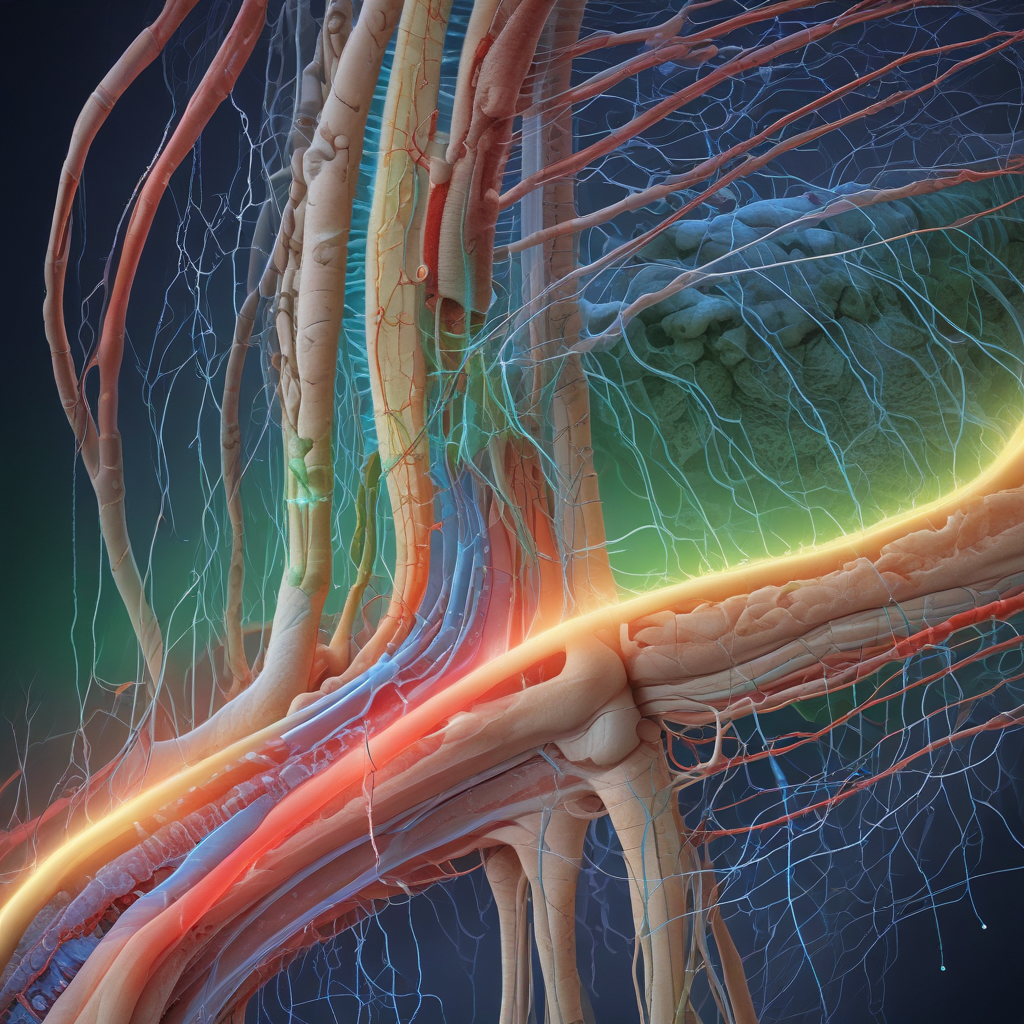
Picture this: you accidentally touch a scorching hot pan handle and your hand jerks away before you even register the pain. In that split second, your body just performed a feat that would make the world’s fastest supercomputers jealous. While your smartphone takes 100-200 milliseconds to register a simple touch, your spinal reflexes can respond in just 50 milliseconds – making your body’s reaction time twice as fast as the most advanced technology in your pocket.
The Science Behind Lightning-Fast Human Reflexes
Human reflexes represent one of evolution’s most brilliant engineering solutions. These reflex actions operate on a principle so elegant it’s almost magical: they bypass your brain entirely for immediate responses. When you need to react fast, your body doesn’t waste precious milliseconds waiting for your conscious mind to catch up.
The secret lies in what scientists call a reflex arc – the shortest possible pathway between sensing danger and taking action. Here’s how this remarkable system works:
- Sensory neurons detect the stimulus (heat, pressure, or sudden movement)
- The signal races to your spinal cord in milliseconds
- Interneurons in the spine process the information instantly
- Motor neurons trigger immediate muscle contractions
- Your body reacts before your brain even knows what happened
According to Dr. Mazda Turel’s research, this entire process unfolds in 50-200 milliseconds, with spinal reflexes being the fastest responders in your body’s emergency response team.
The Amazing Types of Reflexes Protecting You Daily
Deep Tendon Reflexes: Your Body’s Built-in Quality Control
You’ve probably experienced this during a doctor’s visit: that little rubber hammer tapping your knee, causing your leg to kick forward automatically. These deep tendon reflexes are far more than a simple party trick – they’re your nervous system’s way of maintaining constant quality control.
These quick muscle contractions serve as important indicators of healthy nervous system function. When doctors test your reflexes, they’re essentially having a conversation with your spinal cord, checking that all the wiring between your peripheral nerves and spine is functioning perfectly.
The Pupillary Light Reflex: A Perfectly Choreographed Dance
Every time you walk from a dark room into bright sunlight, your pupils perform an intricate ballet that showcases the sophistication of your nervous system. The pupillary light reflex involves both your sympathetic nervous system (which dilates pupils) and parasympathetic system (which constricts them) working in perfect harmony.
This isn’t just about comfort – it’s about protecting your sensitive retinal tissue from damage while ensuring you can see clearly in changing light conditions. The pupillary light reflex system demonstrates how opposing systems in your body collaborate rather than compete.
The Nervous System Orchestra: How Everything Works Together
While spinal reflexes steal the speed spotlight, they’re just one part of an incredibly sophisticated orchestra. Your autonomic nervous system works behind the scenes 24/7, unconsciously regulating:
- Heart rate fluctuations based on activity and emotion
- Digestive processes that adjust to different foods
- Respiratory rate changes during exercise or stress
- Pupillary responses to light and focus changes
What’s fascinating is that even though reflexes bypass conscious thought, your brain isn’t completely out of the loop. As Dr. Turel explains, “Even when the brain is not the first responder, it is never completely absent. The nervous system works as an integrated network.”
The Reflex Arc: Nature’s Express Lane
Think of reflex arcs as nature’s version of an express lane at the grocery store. When your body detects a threat that exceeds pre-set safety thresholds, it doesn’t wait in line behind slower conscious processing. Instead, it takes the express route directly through your spinal cord for immediate action.
This system evolved over millions of years because in dangerous situations, the difference between a 50-millisecond response and a 500-millisecond response could mean the difference between life and death for our ancestors.
Medical Significance and Real-World Applications
Modern medicine relies heavily on reflex actions to diagnose and monitor neurological health. When your doctor tests your reflexes, they’re looking for specific patterns that reveal the health of different parts of your nervous system:
- Normal reflexes: Indicate healthy nerve pathways and spinal cord segments
- Hyperactive reflexes: May suggest upper motor neuron problems
- Diminished reflexes: Could indicate peripheral nerve damage or lower motor neuron issues
- Absent reflexes: May signal more serious neurological concerns requiring further investigation
Recent research has even inspired robotic skin with built-in reflexes that can withdraw from harmful stimuli without waiting for central processor commands – essentially mimicking your body’s brilliant design.
Keeping Your Reflexes Sharp
While reflexes are largely automatic, maintaining overall neurological health supports their optimal function. Regular exercise, adequate sleep, proper nutrition, and staying hydrated all contribute to keeping your nervous system – and therefore your reflexes – in peak condition.
The Evolutionary Marvel That Still Protects Us
In our modern world of smartphones, smart cars, and smart homes, it’s remarkable that some of our most important safety systems still rely on ancient biological hardware that hasn’t needed an upgrade in millions of years. Your human reflexes remain as relevant today as they were for our cave-dwelling ancestors, protecting you from hot stoves, helping you catch yourself when you trip, and ensuring your eyes blink when something approaches them.
The next time you automatically jerk your hand away from something sharp or blink when a bug flies toward your face, take a moment to appreciate the incredible sophistication of your body’s built-in safety systems. In a world obsessed with artificial intelligence and lightning-fast technology, perhaps the most impressive computer of all is the one that’s been operating flawlessly inside you all along.

You may like


What Drinking Water at the Wrong Time Does to Your Brain Is Shocking


Ancient Alchemists’ Pottery Secret That Modern Science Finally Decoded


These Cosmic Beacons Outshine 100 Billion Stars – What They Hide Is Stunning


Your Microwave Isn’t Killing Bacteria – The Kitchen Truth Will Shock You


Why Millions of Animals Never Make a Sound – Their Secret Language


Quantum Chips Thinner Than Hair Could Put Supercomputers in Your Pocket
Fun Facts
Declassified Cold War Spy Satellites Reveal Space Secrets
Recently declassified documents expose how Cold War spy satellites changed intelligence forever. From Program A to modern space watchers – the truth revealed.
Published
8 months agoon
February 19, 2026
For over three decades, the most classified details about America’s Cold War spy satellites remained locked away in government vaults. But recent declassifications by the National Reconnaissance Office have finally pulled back the curtain on Program A – revealing how spy satellites transformed from desperate Cold War necessity into today’s sophisticated orbital surveillance network that watches over our entire planet.
The Secret Birth of America’s Space Spies
The story begins in 1960 with a disaster that changed everything. When Soviet forces shot down American pilot Gary Powers in his U-2 spy plane, the United States faced a terrifying reality: they desperately needed intelligence about Soviet military capabilities, but couldn’t risk more pilots’ lives flying reconnaissance missions over hostile territory.
Enter Program A – one of the most classified satellite programs in American history. Operating under the newly formed National Reconnaissance Office, these top-secret signal intelligence satellites represented a quantum leap in surveillance technology.
The Titans That Carried America’s Secrets
The backbone of this covert operation was the mighty Titan IIIB rocket – a modified intercontinental ballistic missile that launched from the fog-shrouded Vandenberg Air Force Base in California. These massive rockets, originally designed for nuclear warfare, found new purpose carrying America’s most sophisticated surveillance equipment into orbit.
- Titan IIIB rockets were specifically modified from ICBM designs for classified missions
- Launch operations from Vandenberg were conducted under extreme secrecy
- Each satellite cost millions of dollars and represented cutting-edge 1960s technology
- Program A satellites could intercept communications across vast distances
From Cold War Spying to Modern Space Surveillance
Today’s spy satellites have evolved far beyond their Cold War predecessors. The modern Geosynchronous Space Situational Awareness Program (GSSAP) represents a new era of space-based intelligence gathering that would have seemed like science fiction to Program A engineers.
These contemporary satellites function as orbital “neighborhood watch” systems, launched on advanced Vulcan Centaur rockets to monitor and track other satellites in real-time. Unlike their secretive predecessors, GSSAP satellites openly patrol the geosynchronous orbit belt, providing unprecedented awareness of activities 22,000 miles above Earth.
The Technology Revolution
The transformation from 1960s spy satellites to today’s surveillance network showcases remarkable technological advancement:
- Resolution improvements: Modern satellites can capture details impossible for early systems
- Real-time communication: Instant data transmission replaces film canisters dropped from orbit
- Multi-spectrum imaging: Advanced sensors see across multiple wavelengths
- Autonomous operation: AI-powered systems reduce human oversight requirements
How Space Spies Changed Global Intelligence
The impact of reconnaissance satellites extends far beyond military applications. These orbital watchers fundamentally altered how nations gather intelligence, conduct diplomacy, and verify international agreements.
During the Cuban Missile Crisis, satellite imagery provided crucial evidence of Soviet missile installations, helping prevent nuclear war through informed decision-making rather than speculation. The evolution from Explorer 1 in 1958 to sophisticated spy satellites marked America’s transition from reactive to proactive intelligence gathering.
The Verification Revolution
Arms control agreements became possible largely because satellites could verify compliance from space. The Strategic Arms Limitation Treaties (SALT) and subsequent nuclear reduction agreements relied heavily on satellite-based “national technical means” of verification – a diplomatic euphemism for spy satellites.
Today’s Orbital Sentries and Future Threats
Modern military satellites face challenges unimaginable during the Cold War. Space debris, anti-satellite weapons, and the increasing congestion of orbital space create new security concerns for surveillance systems.
The GSSAP satellites serve as early warning systems for threats to other satellites, capable of:
- Tracking debris that could damage critical infrastructure
- Monitoring potentially hostile satellite maneuvers
- Identifying attempts to jam or interfere with communications
- Providing space situational awareness for military operations
This neighborhood watch approach represents a shift from passive observation to active space domain awareness, ensuring America’s satellite infrastructure remains protected.
The Hidden Impact on Everyday Life
While spy satellites operate in classified secrecy, their influence touches civilian life in unexpected ways. Weather forecasting, GPS navigation, and global communications all benefit from technologies originally developed for intelligence gathering.
The National Reconnaissance Office, whose very existence remained classified until 1992, pioneered technologies that now enable:
- Precision agriculture using satellite imagery
- Disaster response and emergency management
- Environmental monitoring and climate research
- Maritime and aviation safety systems
The Declassification Process
The recent release of Program A documents represents a careful balance between historical transparency and ongoing security needs. Declassified materials reveal operational details while protecting sources, methods, and current capabilities that remain sensitive.
The journey from Cold War secrecy to modern space surveillance illustrates how spy satellites evolved from desperate wartime measures into sophisticated systems that protect global stability. As space becomes increasingly congested and contested, these orbital sentries will play an even more critical role in maintaining international security and preventing conflicts before they begin. The secrets revealed by declassification remind us that today’s most advanced surveillance capabilities built upon decades of hidden innovation, forever changing how we see and understand our world from space.
Animals
Fossilized Poop Revealed Dinosaur Secrets History Got Wrong
Ancient animal droppings called coprolites rewrote everything we knew about dinosaur diets and prehistoric ecosystems. The discoveries will shock you.
Published
8 months agoon
February 19, 2026
Imagine discovering that everything you thought you knew about T. rex was wrong – not from finding bones, but from analyzing 65-million-year-old dinosaur droppings. This isn’t science fiction; it’s the revolutionary field of coprolites fossilized animal poop research that has completely transformed our understanding of ancient life on Earth.
What Are Coprolites and How Do They Form?
Coprolites are fossilized feces that have undergone a remarkable preservation process spanning millions of years. Unlike traditional fossils that show us what ancient creatures looked like, these petrified droppings reveal intimate details about what they ate, how they hunted, and how entire ecosystems functioned.
The Science Behind Fossilization
The formation of coprolites fossilized animal poop requires perfect conditions. When animal waste is rapidly buried in sedimentary environments, minerals gradually replace organic matter through a process called permineralization. This transformation preserves not just the shape, but microscopic details including:
- Undigested bone fragments from prey animals
- Plant material and pollen grains
- Parasite eggs and other microorganisms
- Seasonal dietary variations
Scientists classify coprolites as trace fossils because they provide evidence of animal behavior rather than physical appearance. According to paleontological research, these behavioral clues are often more valuable than skeletal remains for understanding ancient ecosystems.
The Revolutionary Discovery That Started It All
The scientific journey of coprolites began in 1829 when English geologist William Buckland made a groundbreaking discovery. For years, mysterious spiral-shaped objects found in Jurassic rocks were misidentified as “fossil fir cones” and “bezoar stones.”
Buckland’s Breakthrough Moment
Buckland’s keen observation skills led him to recognize these objects for what they truly were: fossilized predator droppings. His analysis revealed crushed fish scales and bones inside the specimens, providing the first direct evidence of ancient marine reptile diets. This discovery fundamentally changed how scientists approach paleontological research.
What makes this discovery even more remarkable is that it opened an entirely new window into prehistoric life. While skeletal fossils show us anatomy, coprolites fossilized animal poop reveals the dynamic relationships between predators and prey that existed millions of years ago.
Modern Detective Work: Unlocking Ancient Mysteries
Today’s paleontologists use sophisticated techniques that would amaze Buckland. Modern coprolite analysis combines multiple scientific disciplines to extract incredible detail from these ancient specimens.
Cutting-Edge Analysis Techniques
Contemporary scientists employ several advanced methods to study fossilized dung:
- Microscopy: Reveals microscopic plant and animal remains
- Chemical analysis: Identifies dietary proteins and mineral content
- CT scanning: Creates 3D images of internal structures
- Palynology: Studies ancient pollen to understand plant consumption
These techniques have revealed astonishing details. Scientists can now identify specific prey species consumed by dinosaur coprolites, determine seasonal feeding patterns, and even detect evidence of parasitic infections in creatures that lived over 100 million years ago.
The Parasite Connection
One of the most surprising discoveries involves ancient parasites preserved within coprolites. These findings provide direct evidence of predator-prey relationships and reveal that some parasitic species have remained virtually unchanged for millions of years.
Game-Changing Discoveries That Rewrote History
Several coprolite discoveries have fundamentally altered our understanding of prehistoric life, challenging long-held scientific assumptions about ancient animal diet and behavior.
The T. rex Revelation
Perhaps the most famous example involves Tyrannosaurus rex coprolites discovered in Saskatchewan, Canada. These massive specimens – some over 17 inches long – contained crushed Triceratops bone fragments. The discovery proved that T. rex could crack and digest large bones, suggesting more powerful jaw muscles than previously estimated.
More surprisingly, the coprolites revealed that T. rex was an opportunistic feeder, consuming both fresh kills and scavenged carcasses. This finding challenged the popular image of T. rex as purely an apex predator.
Herbivore Diet Complexity
Coprolites from herbivorous dinosaurs revealed equally surprising information. Analysis of Maiasaura coprolites showed these “duck-billed” dinosaurs consumed a much more varied diet than expected, including:
- Conifer needles and bark
- Ferns and cycads
- Flowering plant material
- Occasional small invertebrates
This dietary diversity suggests these dinosaurs were highly adaptable and could survive environmental changes better than previously thought.
Revealing Ancient Ecosystem Dynamics
Research on coprolites fossilized animal poop has revealed complex predator-prey relationships that mirror modern ecosystem patterns. According to recent ecological research, predators help regulate prey populations and maintain biodiversity – a relationship clearly documented in ancient coprolites.
Seasonal Feeding Patterns
Coprolite analysis has revealed that many extinct species exhibited seasonal dietary changes similar to modern animals. For example, some Cretaceous period coprolites show evidence of:
- Spring consumption of fresh plant growth
- Summer focus on protein-rich prey
- Fall preparation behaviors including increased fat consumption
These patterns suggest that extinct animals possessed sophisticated behavioral adaptations for surviving environmental changes.
Modern Applications and Conservation Insights
The study of trace fossils like coprolites isn’t just about understanding the past – it’s providing crucial insights for modern conservation efforts and climate change research.
Predicting Ecosystem Responses
By understanding how ancient ecosystems responded to environmental pressures through coprolite evidence, scientists can better predict how modern ecosystems might respond to climate change. Research shows that during periods of environmental stress, species extinction rates increased dramatically, with typical species becoming extinct within 10 million years of first appearance.
Conservation Applications
Modern conservation biologists use coprolite research to:
- Understand natural predator-prey ratios
- Identify keystone species in ancient ecosystems
- Predict how species might adapt to environmental changes
- Design more effective wildlife preservation strategies
This research is particularly relevant as current environmental changes occur at unprecedented speeds compared to most geological periods.
The Future of Coprolite Research
As technology advances, coprolites fossilized animal poop continues to yield new discoveries. DNA extraction techniques are improving, potentially allowing scientists to identify specific prey species and even ancient gut bacteria from well-preserved specimens.
Emerging Technologies
Future research directions include:
- Advanced genetic analysis of preserved organic compounds
- Artificial intelligence pattern recognition in coprolite contents
- Isotope analysis for migration pattern identification
- 3D modeling of ancient digestive processes
These technological advances promise even more detailed insights into ancient life and ecosystem dynamics.
Coprolites fossilized animal poop represents one of paleontology’s most valuable and surprising research tools. From William Buckland’s pioneering 1829 discovery to today’s high-tech analysis methods, these ancient droppings continue to revolutionize our understanding of prehistoric life. As we face modern environmental challenges, the lessons preserved in fossilized feces from millions of years ago provide crucial insights for conservation efforts and ecosystem management. The next time you visit a natural history museum, remember that some of the most important scientific discoveries came not from impressive skeletons, but from the humble remains of ancient bathroom breaks that somehow survived to tell their remarkable stories.
Fun Facts
Your Brain’s Hidden Strength Control System Nobody Talks About
Discover the shocking truth about how your nervous system controls strength gains – it’s not just about muscle size. The brain-muscle connection changes everything.
Published
8 months agoon
February 19, 2026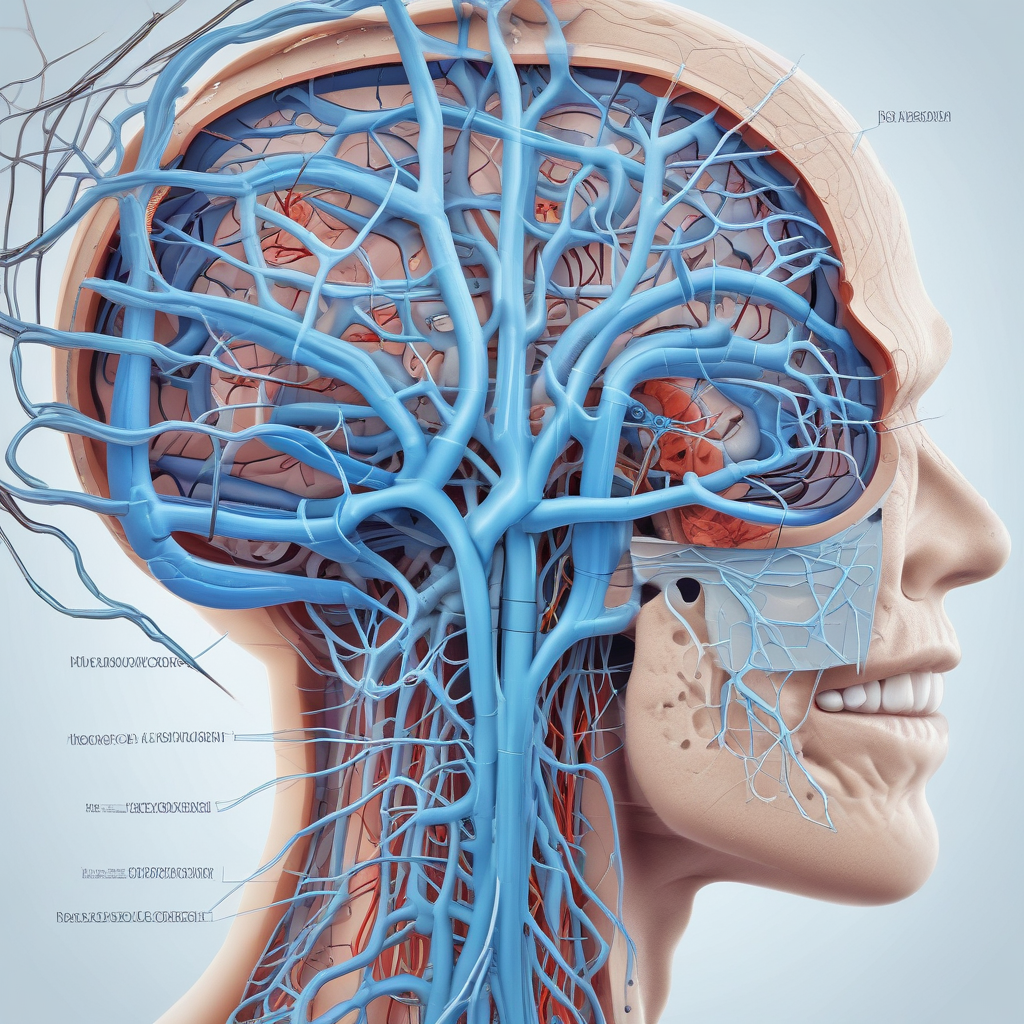
Have you ever wondered why some people can lift incredible weights without looking particularly muscular? Or why a beginner can double their strength in just weeks without gaining any visible muscle mass? The answer lies in one of your body’s most fascinating and misunderstood systems: the brain muscle connection.
For decades, the fitness world has obsessed over muscle size, protein shakes, and visible gains. But groundbreaking research reveals that strength isn’t just about how big your muscles are – it’s about how effectively your brain can communicate with those muscles through an intricate network of electrical signals.
The Neural Highway: Your Body’s Electrical Superhighway
Every time you lift a weight, throw a ball, or even pick up a coffee cup, your brain initiates an incredible journey. Within milliseconds, electrical signals race from your brain through your spinal cord to specialized cells called motor neurons, which then trigger your muscles to contract.
This process happens at lightning speed – literally. These bioelectrical signals travel at approximately 120 meters per second, faster than most cars drive through city streets. When you decide to perform a 400-pound deadlift, that thought becomes reality through this sophisticated electrical highway.
How Motor Neurons Shape Your Strength
Motor neurons are the unsung heroes of strength development. According to research published in ScienceDaily, these specialized cells adapt differently depending on how you train them. The adaptation of these neural pathways represents a trainable skill that operates completely independently of muscle size.
This explains the mysterious phenomenon of “phantom strength” – people who possess incredible power without the muscle mass to match. Their secret isn’t superior genetics or hidden supplements; it’s a highly conditioned nervous system that can recruit muscle fibers with exceptional efficiency.
Why Beginners Gain Strength So Fast: The Neural Advantage
New to the gym? You’re actually at a unique advantage. Research shows that beginning strength-trainers primarily develop neurological aspects of strength – essentially training their brain’s ability to generate the electrical signals needed for maximum muscle contractions.
During those first few weeks of training, your muscles aren’t actually growing much. Instead, your nervous system is undergoing rapid adaptation, learning to:
- Recruit more muscle fibers simultaneously
- Coordinate movement patterns more efficiently
- Generate stronger electrical signals from brain to muscle
- Reduce antagonistic muscle interference that limits force output
This is why a beginner can see strength gains of 25-100% in their first month of training, long before any visible muscle growth occurs. According to strength training research, these neurological adaptations represent the brain learning to “talk” to muscles more effectively.
The Timeline: Neural vs. Muscular Gains
Understanding this timeline changes everything about how we view strength development:
- Weeks 1-4: Rapid neural adaptations, strength gains up to 100%
- Weeks 4-8: Continued neural improvements, beginning of muscle protein synthesis
- Weeks 8+: Muscle growth becomes primary driver of strength gains
Heavy vs. Light Training: The Neural Difference
Not all training methods affect your nervous system equally. Groundbreaking research by Nathaniel Jenkins and colleagues reveals that high-load weight training better conditions the nervous system to transmit electrical signals from brain to muscles compared to low-load training.
This finding challenges the popular notion that “all training is equal as long as you reach failure.” When it comes to neural adaptation, the load intensity matters significantly. Heavy training specifically enhances:
- Signal transmission speed between brain and muscle
- Motor unit recruitment patterns
- Force production capacity of existing muscle tissue
- Intermuscular coordination for complex movements
As Jenkins explains in his research, “High-load training better conditions the nervous system to transmit electrical signals from the brain to muscles, increasing the force those muscles can produce to a greater extent than does low-load training.”
The Cross-Training Phenomenon: Training One Side Strengthens Both
Perhaps the most mind-bending aspect of the brain muscle connection is something called the cross-training effect. Imagine training only your right arm for weeks, then testing your left arm – and discovering it’s gotten stronger too, despite never being trained.
This isn’t science fiction; it’s documented reality. Research on skeletal muscle shows that strength increases can occur in one muscle even when only training the opposite muscle. Bodybuilders have reported finding their left biceps stronger after training only the right biceps for extended periods.
Why Cross-Training Works
This phenomenon occurs because strength gains from neural adaptation happen at the brain and spinal cord level, not just at the individual muscle level. When you train one side of your body, your nervous system learns movement patterns and force production strategies that partially transfer to the untrained side.
The implications are profound for:
- Injury rehabilitation: Training the healthy limb can help maintain strength in the injured limb
- Athletic performance: Unilateral training provides benefits beyond the trained side
- Strength imbalances: Strategic training can address weaknesses indirectly
Optimizing Your Brain-Muscle Connection: Practical Applications
Understanding the science is one thing; applying it is another. Here’s how to harness your nervous system for maximum strength gains:
Focus on Movement Quality
Since neural adaptation involves learning efficient movement patterns, perfect practice makes perfect. Every repetition is teaching your nervous system how to perform the movement. Poor form teaches poor neural patterns.
Prioritize Compound Movements
Exercises like squats, deadlifts, and presses require complex coordination between multiple muscle groups. These movements create the greatest demand for neural adaptation and motor learning.
Include Heavy, Low-Rep Training
Based on the research showing superior neural adaptations from high-load training, include sets in the 1-5 rep range at 85-95% of your maximum to specifically target nervous system development.
Practice Mind-Muscle Connection
Consciously focusing on the muscles you’re training can enhance neural drive. Research shows that mental focus during training can improve muscle activation patterns.
Allow Adequate Recovery
Neural adaptation requires recovery just like muscle growth. Your nervous system needs time to consolidate the motor learning that occurs during training sessions.
Rethinking Strength: It’s a Skill, Not Just Size
The brain muscle connection fundamentally changes how we should think about strength development. Rather than viewing strength as simply a matter of muscle size, we should recognize it as a learned skill that involves the sophisticated coordination between brain, spinal cord, motor neurons, and muscles.
This perspective explains why:
- Powerlifters can be incredibly strong without massive muscle size
- Bodybuilders with huge muscles aren’t always the strongest
- Beginners see rapid strength gains before muscle growth
- Technique and practice are crucial for strength development
The next time you step into the gym, remember that you’re not just training your muscles – you’re training your entire nervous system. Every rep is an opportunity to strengthen the electrical highway that connects your brain to your brawn. In the world of strength development, your mind truly is your most powerful muscle.


Trending

 Art & Design11 months ago
Ancient Potters’ 3,500-Year-Old Chemistry Secret That Still Baffles Scientists

 Historical Figures11 months ago
7 Anonymous Heroes Who Changed History Forever – 3 Will Shock You

 Global News10 months ago
Hidden Economic Warfare: How Climate Deals Secretly Control Global Trade

 Ancient History9 months ago
Ancient Incas Built Bridges From Grass That Armies Crossed – 600 Years Later They’re Still Standing

 Fun Facts11 months ago
Universe Size Comparisons That Will Blow Your Mind

 Ancient History9 months ago
Ancient Pyramid Workers Left 4,500-Year-Old Graffiti That Rewrites History

 Fun Facts11 months ago
Scientists Just Discovered Space Isn’t Silent – The Sounds Will Shock You

 News & World10 months ago
Urban Explorers’ Most Terrifying Encounters in ‘Empty’ Buildings