
Global News
Cultural Trafficking Network: Inside the $6B Crime Empire
How a $6 billion cultural trafficking network operates in plain sight, using art galleries and online markets to smuggle stolen artifacts worldwide.

Published
11 months agoon

When Bulgarian police arrested 35 people in a sweeping raid last month, they exposed something far more sinister than a simple theft ring. They had uncovered tentacles of a cultural trafficking network that spans continents, operating brazenly through legitimate art galleries, online marketplaces, and auction houses. Welcome to the shadowy world of cultural trafficking—a $6 billion annual industry that ranks as the fourth-largest illegal trade globally, trailing only drugs, weapons, and human trafficking.
How Cultural Trafficking Networks Exploit Legitimate Channels
The most disturbing aspect of cultural trafficking isn’t its scale—it’s how seamlessly these criminal networks blend into respectable society. Unlike drug dealers operating from street corners, cultural traffickers wear suits and attend gallery openings.
According to FBI Art Crime Team analysis, these networks deliberately target legitimate businesses as unwitting partners. Here’s how they operate:
The Three-Stage Laundering Process
- Acquisition: Artifacts are stolen from archaeological sites, museums, or private collections during conflicts or civil unrest
- Documentation: Sophisticated forgery operations create fake provenance papers that can fool expert authenticators
- Integration: Items surface in respected auction houses or galleries, often years later, appearing completely legitimate
The criminal networks often overlap with drug cartels and terrorist organizations, using identical smuggling routes and money laundering techniques. This connection transforms cultural trafficking from a white-collar crime into something far more dangerous.
The Digital Revolution: How Online Markets Changed Everything
The rise of digital marketplaces has revolutionized the cultural trafficking network landscape, making it both more accessible and harder to detect. INTERPOL’s cultural crimes unit reports that online sales have democratized cultural trafficking, allowing small-time criminals to participate while making law enforcement’s job exponentially more difficult.
Digital Platforms Become Trafficking Hubs
Social media algorithms and cryptocurrency payments have created perfect storm conditions for traffickers:
- eBay and Facebook Marketplace: Criminals use these platforms to reach global audiences instantly
- Cryptocurrency payments: Bitcoin and other digital currencies make transactions nearly untraceable
- Algorithm exploitation: Traffickers use platform algorithms to target specific collector communities
- Geographic arbitrage: Items stolen in conflict zones appear for sale in wealthy Western markets within days
The speed and anonymity of digital transactions mean stolen artifacts can change hands multiple times across continents before law enforcement even realizes they’re missing.
Case Study: What Bulgaria’s Massive Bust Revealed
The recent Bulgarian arrests reported by Reuters offer a rare glimpse into how European cultural trafficking networks operate at an industrial scale. The 35 arrested individuals weren’t just petty thieves—they formed a sophisticated criminal enterprise with international connections.
Inside the European Network
The Bulgarian case revealed several shocking realities:
- Scale of operations: The network had been operating for years, moving hundreds of artifacts across European borders
- Technology integration: Criminals used satellite imagery to identify promising archaeological sites for systematic looting
- Industrial methods: Heavy machinery was employed to extract artifacts quickly, destroying archaeological context forever
- Legitimate front businesses: Several arrested individuals operated respected antique shops and galleries
This wasn’t opportunistic crime—it was organized cultural destruction for profit.
Global Impact: The Human Cost of Cultural Trafficking
UNESCO estimates show that 90% of countries worldwide are affected by cultural trafficking as source, transit, or destination points. Yet the numbers only tell part of the story.
Countries Losing Their Soul
Cultural trafficking doesn’t just steal objects—it steals identity. When Syrian archaeological sites are systematically looted or Iraqi museums are pillaged, entire civilizations lose pieces of their story forever. The International Council of Museums (ICOM) reports that only 5-10% of stolen cultural artifacts are ever recovered and returned to their countries of origin.
The ‘Innocent’ Collector Problem
Perhaps most troubling is how trafficking creates unwitting victims among collectors. Wealthy individuals genuinely believing they’re making legitimate purchases end up with stolen artifacts in their homes. These ‘innocent’ collectors become part of the problem, creating demand that fuels the entire criminal enterprise.
Fighting Back: Law Enforcement’s Evolving Tactics
Law enforcement agencies worldwide are developing sophisticated responses to combat cultural trafficking networks. Modern prevention technologies include:
High-Tech Detection Methods
- AI-powered image recognition: Automatically scans online marketplaces for suspicious artifacts
- Blockchain provenance tracking: Creates unalterable ownership records for legitimate artifacts
- Satellite monitoring: Tracks archaeological site destruction in real-time
- International databases: Share stolen artifact information across borders instantly
The INTERPOL stolen art database now contains over 50,000 items, making it harder for traffickers to move stolen goods through legitimate channels.
Consumer Education Initiatives
Law enforcement recognizes that stopping cultural trafficking requires educated consumers who can spot red flags:
- Suspicious pricing: Artifacts priced well below market value
- Vague provenance: Sellers unable to provide detailed ownership history
- Recent discoveries: Items claiming to be ‘recently found’ or from ‘old collections’
- Conflict zone origins: Artifacts from countries experiencing recent conflicts
The Future of Cultural Trafficking
As technology advances, so do the tactics of cultural trafficking networks. Virtual reality and 3D printing create new opportunities for sophisticated forgeries, while encrypted communication makes coordination between criminal groups nearly impossible to intercept.
Yet there’s hope. Increased international cooperation, better technology, and growing public awareness are making life harder for cultural traffickers. The key lies in recognizing that preserving cultural heritage isn’t just about protecting objects—it’s about protecting human identity itself.
For consumers, the message is clear: when considering purchasing cultural artifacts, ask questions, demand documentation, and remember that if a deal seems too good to be true, it probably involves someone’s stolen heritage. In the fight against cultural trafficking, every conscious purchasing decision becomes an act of cultural preservation.

You may like

Why Your City’s Name Isn’t What You Think – The Hidden Truth Revealed


Ancient Persia’s Secret Weapon That Built History’s First Superpower

304 Million People Send $800 Billion Home – The Hidden Economy Reshaping Nations


Why Medieval People Were Actually Smarter Than You Think


The Forgotten Story of Human Computers That Changed Everything


Hidden Underground Cities Beneath Major Cities Will Leave You Speechless
Global News
What 250 Million People Face Every Day Will Break Your Heart
Behind the headlines, a silent crisis is reshaping global humanitarian response as funding cuts reach their worst levels in a decade. The hidden truth revealed.
Published
8 months agoon
February 18, 2026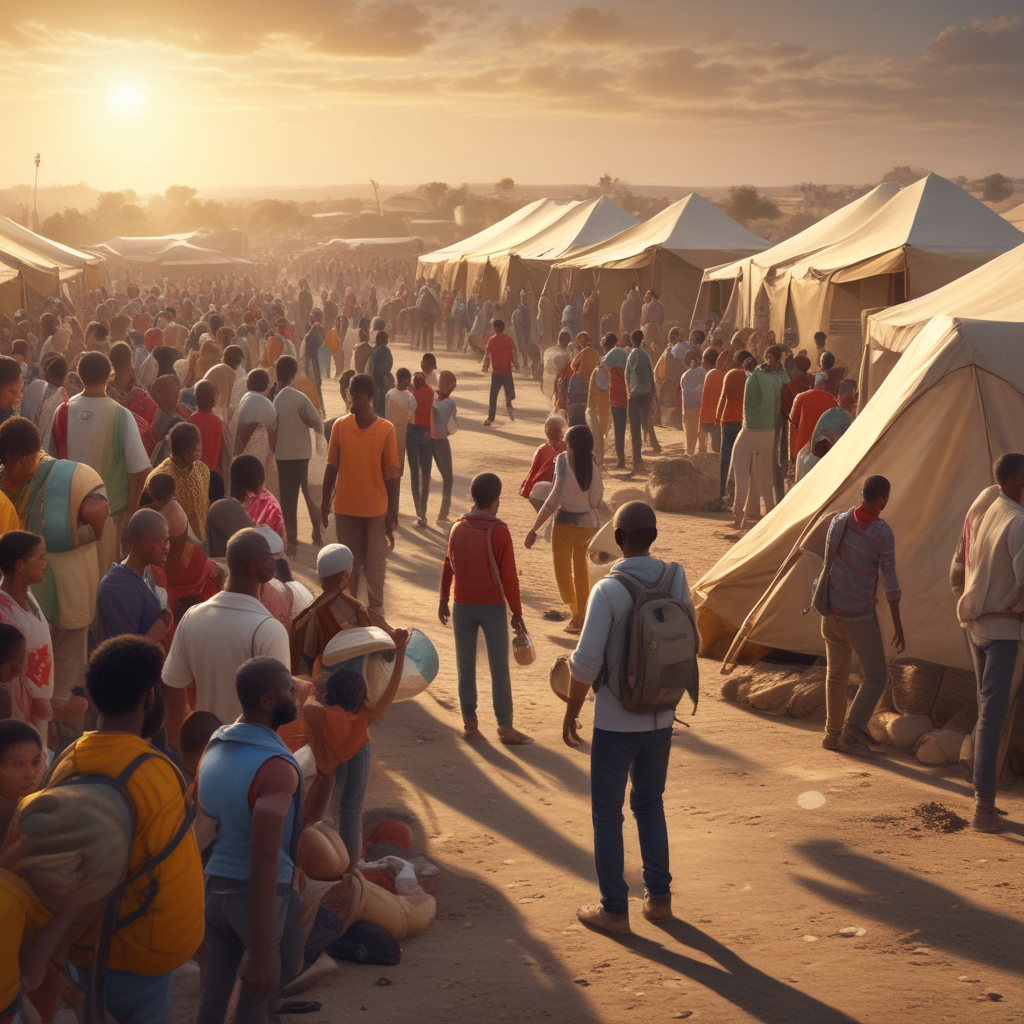
Right now, while you’re reading this, 250 million people are living through humanitarian crises so severe they’ve been stripped of basic safety, shelter, and healthcare. But here’s what’s truly heartbreaking: the very systems designed to help them are collapsing from within, creating what experts are calling a “New World Disorder.”
The Staggering Numbers Behind Global Humanitarian Crisis Funding
The World Health Organization has issued an urgent appeal for nearly $1 billion to respond to 36 emergencies worldwide in 2026, including 14 Grade 3 emergencies that require the highest level of organizational response. To put this in perspective, Grade 3 emergencies represent the most catastrophic humanitarian situations our world faces.
But here’s the crushing reality: global humanitarian and health financing is experiencing its sharpest decline in a decade. This isn’t just a temporary setback – it’s a systematic collapse happening precisely when the world needs humanitarian aid the most.
What Are Grade 3 Emergencies?
Grade 3 emergencies are the WHO’s highest classification for humanitarian crises, reserved for situations that:
- Affect massive populations across multiple regions
- Require immediate, large-scale international response
- Pose significant risks to regional or global stability
- Demand the highest level of organizational resources and expertise
The fact that 14 out of 36 current emergencies have reached this critical level reveals just how dire the global situation has become.
The Perfect Storm: When Need Meets Neglect
What makes the current global humanitarian crisis funding situation so devastating is the timing. As International Rescue Committee experts warn, we’re witnessing “a dangerous divergence in which humanitarian needs are surging while global support is collapsing.”
The 2025 Decimation
The foundation for today’s crisis was laid in 2025, when global aid budgets were decimated. The consequences were immediate and brutal:
- Entire humanitarian programs were terminated overnight
- Food rations were cut in half for millions of vulnerable people
- Critical health supplies ran out in emergency zones
- Women-led organizations – the backbone of local response – began struggling to survive
This wasn’t gradual budget tightening; it was a humanitarian funding cliff that CARE International documented as the most severe in recent memory.
The Invisible Victims: Women-Led Organizations Under Siege
Perhaps no aspect of the global humanitarian crisis funding shortage is more devastating than its impact on women-led organizations. These groups, which have historically served as the backbone of local humanitarian response, are facing an existential threat.
Why Women-Led Organizations Matter
Women-led humanitarian organizations are uniquely effective because they:
- Understand local cultural dynamics and needs
- Have established trust within vulnerable communities
- Provide culturally appropriate aid, especially for women and children
- Offer sustainable, community-based solutions
- Continue operations even when international organizations withdraw
When these organizations collapse due to funding cuts, entire communities lose their most reliable lifeline. The ripple effects extend far beyond immediate aid delivery, destroying resilience systems that took years to build.
Human Cost: From Statistics to Suffering
Behind every funding cut statistic lies a human story. When humanitarian programs are terminated and food rations are halved, real people face impossible choices between feeding their children or seeking medical care.
The Displacement Crisis
The funding shortage coincides with massive population movements. Millions of people were displaced internally and across borders into Chad, South Sudan, and the Central African Republic in 2025 alone. These displaced populations require sustained support for:
- Emergency shelter and protection
- Healthcare and nutrition programs
- Education and psychological support
- Economic integration and job training
Without adequate funding, displaced populations become trapped in cycles of dependency and vulnerability that can last generations.
The Health Emergency Within the Emergency
Healthcare systems in crisis zones are completely overwhelmed. When critical health supplies run out and medical programs are terminated, preventable diseases become deadly. Maternal mortality rates spike, childhood vaccination programs collapse, and chronic conditions go untreated.
The New World Disorder: What This Means for Global Stability
Experts are calling the current situation a “New World Disorder” – a fundamental shift in how humanitarian crises unfold and how the international community responds. This isn’t just about aid delivery; it’s about global stability and security.
The Ripple Effects
When humanitarian funding cuts leave crises unaddressed, the consequences extend far beyond affected regions:
- Increased migration and refugee flows
- Regional conflicts spreading across borders
- Economic instability in neighboring countries
- Rise in extremist recruitment in desperate populations
- Public health threats that can become global pandemics
UN officials emphasize that the international community must remain engaged and address root causes of displacement, but current funding levels make sustained engagement nearly impossible.
Looking Forward: The Path Out of Crisis
While the situation is dire, understanding the scope of the global humanitarian crisis funding challenge is the first step toward solutions. The WHO’s $1 billion appeal represents not just immediate needs, but an investment in global stability and human dignity.
What Must Happen
Addressing this crisis requires:
- Immediate restoration of humanitarian funding to 2023 levels
- Long-term commitment to supporting women-led organizations
- Innovation in funding mechanisms and aid delivery
- Greater emphasis on conflict prevention and root cause resolution
- Public awareness of the hidden humanitarian emergency
The choice facing the global community is stark: invest in humanitarian response now, or face far greater costs – human and economic – later. With 250 million people hanging in the balance, the time for action isn’t tomorrow. It’s today.
As we move through 2026, the question isn’t whether we can afford to fund humanitarian response adequately. The question is whether we can afford not to. The silent crisis reshaping global humanitarian response demands our attention, our resources, and our urgent action before it’s too late.
Global News
The $50 Trillion Trade Revolution Quietly Reshaping Your Future
Massive global trade deals affecting 2 billion people are secretly creating new economic superpowers. Discover how these mega-agreements will change everything.
Published
8 months agoon
February 17, 2026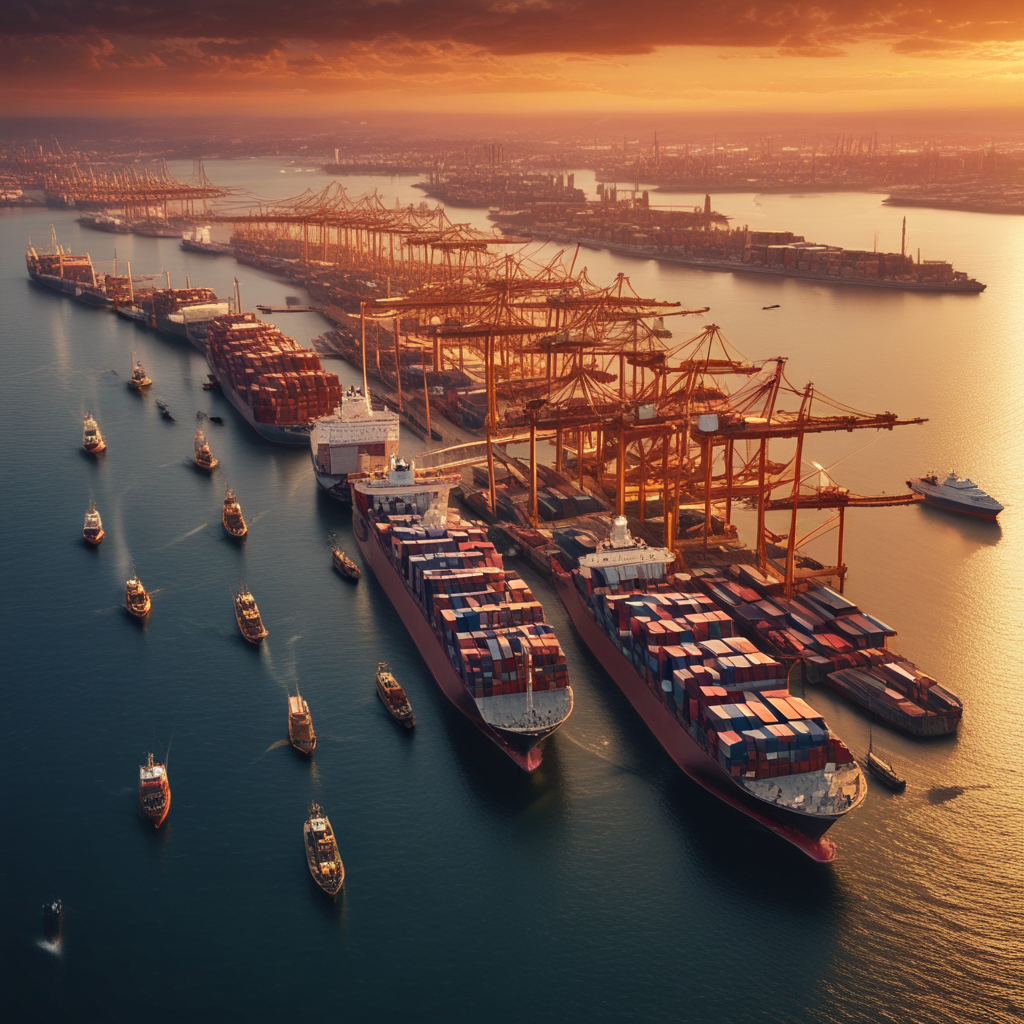
Imagine 2 billion people waking up in a completely different economic reality—and most of them don’t even know it yet. While the world fixates on political headlines, the largest global trade deals in human history are quietly being signed, sealed, and implemented, fundamentally reshaping how money, goods, and power flow across continents.
European Commission President Ursula von der Leyen wasn’t exaggerating when she called the recent EU-India agreement “the mother of all deals.” This single trade partnership affects a combined population larger than China and the United States combined, representing about 25% of global GDP. But this is just one piece of a massive puzzle that’s creating entirely new economic superpowers.
The Staggering Scale of Modern Mega-Deals
Today’s mega trade agreements dwarf anything we’ve seen before. The numbers are almost incomprehensible: single deals affecting billions of people, trillions in economic activity, and entire continents’ worth of commerce being restructured with the stroke of a pen.
Breaking Down the Giants
- EU-India Trade Deal: 2 billion people across 28+ countries
- Economic Impact: 25% of global GDP in a single agreement
- Geographic Scope: From Arctic Norway to tropical Kerala
- Timeline: Two decades of negotiations finally concluded
What makes these deals revolutionary isn’t just their size—it’s their comprehensive scope. Unlike traditional trade agreements that focused primarily on tariffs, modern international trade partnerships are essentially writing the rules for everything from artificial intelligence development to environmental standards.
According to analysis by The Conversation, these agreements are creating new “economic continents” where geographic proximity matters less than trade partnership alignment.
The Decades-Long Marathon: Why Trade Deals Take Forever
Here’s a mind-bending fact: some of today’s trade negotiators have retired from careers they started working on deals that are just now being signed. The India-EFTA Trade and Economic Partnership Agreement took 16 years to negotiate, while EU-India talks stretched across two full decades.
The Complexity Behind the Delays
Why do these negotiations take longer than some people’s entire careers? The answer reveals the staggering complexity of modern free trade agreements:
- Digital Trade Rules: Writing laws for technologies that didn’t exist when talks began
- Environmental Standards: Harmonizing climate policies across different continents
- Labor Protection: Ensuring worker rights aren’t sacrificed for economic gains
- Data Privacy: Creating frameworks for information flow in the digital age
As noted in documentation of the India-EFTA agreement, the March 10, 2024 signing represented the culmination of negotiations that began when smartphones were still a novelty.
The Geopolitical Chess Game Accelerating Deal-Making
Behind the economic statistics lies a fascinating geopolitical story. These massive economic partnership agreements aren’t just about trade—they’re about countries hedging their bets in an increasingly unpredictable world.
The Trump Factor and Beyond
Recent trade tensions with the United States have accelerated what experts call “partnership diversification.” As BBC analysis reveals, the timing of these deals coincides directly with concerns about American trade policy unpredictability.
European Commission President von der Leyen made this explicit at the World Economic Forum: “We are choosing fair trade over tariffs. Partnership over isolation.” This isn’t subtle diplomatic language—it’s a clear signal that nations are building alternative trade architectures.
Post-Pandemic Supply Chain Revolution
The COVID-19 pandemic exposed the fragility of global supply chains, accelerating deal-making as countries seek:
- Diversified supply sources to avoid single-point failures
- Regional manufacturing hubs to reduce long-distance dependencies
- Strategic resource partnerships for critical materials and technologies
Beyond Tariffs: The Hidden Digital and Environmental Revolution
Modern global trade deals are secretly writing the rules for the digital economy, environmental protection, and even artificial intelligence development. This goes far beyond traditional trade negotiations.
The Digital Economy Transformation
These agreements include unprecedented provisions for:
- Cross-border data flows affecting every online interaction
- Digital taxation frameworks for tech companies
- AI development standards and ethical guidelines
- Cybersecurity cooperation protocols
Indian Prime Minister Modi highlighted this broader scope, noting that the EU deal “will make access to European markets easier for India’s farmers and small business. It will also boost manufacturing and services sectors.”
Environmental Standards Integration
Unlike previous generations of trade deals, modern agreements embed environmental protection directly into trade rules, creating binding commitments for climate action alongside economic benefits.
Real-World Impact: What This Means for You
These abstract-sounding agreements translate into concrete changes for businesses, workers, and consumers worldwide.
For Businesses and Entrepreneurs
- Expanded Markets: Small businesses gain access to billion-person consumer bases
- Reduced Barriers: Simplified regulations for cross-border operations
- New Opportunities: Emerging sectors benefit from harmonized standards
For Workers and Professionals
German Vice Chancellor Lars Klingbeil emphasized that these agreements create “new opportunities for growth and good jobs — in Europe and India alike — while deepening the strategic partnership with the world’s largest democracy.”
For Consumers
- Greater Choice: Access to products and services from partner regions
- Competitive Pricing: Reduced tariffs translate to lower consumer costs
- Higher Standards: Harmonized quality and safety regulations
According to CNBC’s analysis, these changes will be felt across multiple sectors simultaneously, from agriculture to advanced manufacturing to digital services.
The Emerging New World Economic Order
What we’re witnessing isn’t just individual trade deals—it’s the emergence of a fundamentally different global economic architecture. These mega trade agreements are creating new centers of economic gravity that could define commerce for decades.
The Rise of Alternative Economic Blocs
Rather than a single global system dominated by one or two superpowers, we’re seeing the emergence of multiple, interconnected regional powerhouses. The EU-India partnership, EFTA agreements, and other emerging deals are creating what experts call “economic archipelagos”—clusters of prosperity connected by trade agreements rather than geography.
What to Watch Next
The current wave of deal-making shows no signs of slowing. Key developments to monitor include:
- Asia-Pacific Expansion: New partnerships involving ASEAN nations
- Latin American Integration: Emerging deals connecting South America with Europe and Asia
- Digital-First Agreements: Next-generation deals built around digital commerce from the ground up
As trade experts note, we’re likely seeing just the beginning of this transformation.
Conclusion: The Quiet Revolution Continues
While headlines focus on political drama and cultural conflicts, the real reshaping of our world is happening in conference rooms where global trade deals are being negotiated. These agreements—affecting billions of people and trillions in economic activity—are quietly creating the framework for how humanity will do business for generations to come. The “mother of all deals” between the EU and India isn’t an endpoint—it’s a preview of a world where economic partnerships, not political rhetoric, determine the flow of prosperity and opportunity across our interconnected planet.
Global News
304 Million People Send $800 Billion Home – The Hidden Economy Reshaping Nations
Discover how 304 million global migrants create an $800 billion invisible economy through remittances, surpassing foreign aid and transforming entire countries.
Published
9 months agoon
January 19, 2026
Right now, as you read this, 304 million people living outside their birth countries are quietly powering one of the world’s largest financial networks. They’re not bankers, CEOs, or government officials – they’re migrant workers sending money home, creating an $800 billion annual economy that dwarfs most national budgets and exceeds all official foreign aid combined.
The Staggering Scale of Global Remittances Migration
The numbers behind global remittances migration tell a story that most people never hear about. According to the Visual Capitalist’s global migration analysis, we’re witnessing the highest levels of international migration in human history. But it’s not just about movement – it’s about the invisible financial highways these migrants create.
Every year, these 304 million migrants collectively send home more money than the GDP of most countries. To put this in perspective:
- $800+ billion flows through remittance channels annually
- This exceeds the total foreign aid budgets of all developed nations combined
- Some countries receive remittances worth 20-30% of their entire GDP
- The average migrant sends home $2,600 per year
Why One Country Dominates the Global Migration Map
Here’s where the story gets fascinating: the United States hosts more migrants than the next four destination countries combined. This isn’t just about opportunity – it’s about creating the world’s largest remittance-sending hub.
The Concentration Effect
While migrants come from every corner of the globe, they don’t spread evenly. The top destination countries create what economists call “remittance powerhouses”:
- United States – Over 50 million migrants
- Germany – 15.8 million migrants
- Saudi Arabia – 13.5 million migrants
- Russia – 11.6 million migrants
- United Kingdom – 9.4 million migrants
This concentration means that economic policies in just a handful of countries can impact the financial lifelines of hundreds of millions of families worldwide.
The Money Trail That Beats Foreign Aid
Perhaps the most mind-blowing aspect of global remittances migration is how these personal transfers have become more significant than official government aid programs. The World Bank’s Migration and Remittances data reveals that migrant workers are essentially running the world’s largest private foreign aid program.
Where the Money Flows
The top remittance-receiving countries showcase how international money transfer patterns reshape entire economies:
- India – Receives over $100 billion annually
- China – Over $50 billion in remittances
- Mexico – Approximately $60 billion yearly
- Philippines – Around $35 billion annually
- Pakistan – Nearly $30 billion in remittances
These aren’t just numbers – they represent millions of families paying for education, healthcare, housing, and starting small businesses that drive local economic growth.
Two Migration Stories: Economic Dreams vs. Crisis Survival
Understanding global migration patterns requires recognizing that not all migration is the same, and neither are the resulting remittance flows.
Economic Migration: The Planned Journey
Countries like India and China lead in economic migration, with workers strategically moving to higher-wage countries. These migrants often:
- Send steady, predictable amounts home monthly
- Support long-term family investments like education and property
- Create lasting financial connections between regions
- Build networks that facilitate future migration
Crisis-Driven Displacement: Survival Mode
Meanwhile, crisis-driven migration from countries like Ukraine, Syria, and Venezuela creates different remittance patterns. According to UNHCR displacement statistics, these migrants typically:
- Send irregular amounts based on immediate family needs
- Focus on emergency support rather than investment
- Face greater challenges accessing traditional banking services
- Rely more heavily on digital and informal transfer methods
The Digital Revolution Transforming Money Movement
Technology is revolutionizing how migrant workers send money home, making the $800 billion remittance economy more efficient than ever before. Traditional bank transfers that once took days and cost 8-12% in fees are being replaced by digital solutions charging 2-3% with instant delivery.
The New Digital Landscape
Modern remittance technology includes:
- Mobile money platforms enabling phone-to-phone transfers
- Blockchain-based services reducing costs and increasing speed
- Digital wallets that work across borders seamlessly
- Cryptocurrency options for tech-savvy users in certain corridors
This digital transformation means more money reaches families instead of being lost to fees, amplifying the economic impact of every dollar sent.
Beyond Numbers: The Human Impact of Global Remittances
While the scale of global remittances migration is impressive, the real story lies in how these transfers transform lives and communities. IFAD research on remittances shows that families receiving money from abroad are:
- 40% more likely to send children to school
- 60% more likely to start a small business
- 35% less likely to live in extreme poverty
- More resilient during economic downturns and natural disasters
The Multiplier Effect
Every dollar sent home doesn’t just help one family – it circulates through local economies. When migrants send money home, recipients typically spend 85% locally on:
- Food and basic necessities
- Education and healthcare
- Housing improvements
- Small business investments
- Community projects and local services
The Future of the $800 Billion Migration Economy
As we look ahead, several trends will shape the future of global remittances migration. Climate change is expected to drive new migration patterns, potentially creating additional remittance corridors. Meanwhile, artificial intelligence and blockchain technology promise to make transfers even cheaper and faster.
The 304 million migrants currently sending money home represent just the beginning. As global connectivity increases and economic opportunities remain unevenly distributed, this invisible financial network will likely grow even larger, continuing to reshape economies and support families across the globe.
What started as individual decisions to seek better opportunities abroad has evolved into one of the most significant financial forces in the modern world – a testament to human connection and the power of shared prosperity across borders.


Trending

 Art & Design11 months ago
Ancient Potters’ 3,500-Year-Old Chemistry Secret That Still Baffles Scientists

 Historical Figures11 months ago
7 Anonymous Heroes Who Changed History Forever – 3 Will Shock You

 Global News10 months ago
Hidden Economic Warfare: How Climate Deals Secretly Control Global Trade

 Ancient History9 months ago
Ancient Incas Built Bridges From Grass That Armies Crossed – 600 Years Later They’re Still Standing

 Fun Facts11 months ago
Universe Size Comparisons That Will Blow Your Mind

 Ancient History9 months ago
Ancient Pyramid Workers Left 4,500-Year-Old Graffiti That Rewrites History

 Fun Facts11 months ago
Scientists Just Discovered Space Isn’t Silent – The Sounds Will Shock You

 News & World10 months ago
Urban Explorers’ Most Terrifying Encounters in ‘Empty’ Buildings