
News & World
Hidden Undefined Behavior Threatening Your Digital World
Recent research found 46 undefined behavior bugs in 37 popular software libraries. Discover how these hidden digital threats impact millions of apps daily.

Published
4 months agoon

The Invisible Threat Lurking in Millions of Apps
Right now, as you read this article on your device, there’s a 46% chance that the software you’re using contains undefined behavior – digital landmines that could explode at any moment. Recent groundbreaking research revealed 46 instances of undefined behavior hiding in just 37 popular programming libraries, including critical bugs in software downloaded over 10,000 times daily. This invisible threat represents one of the most dangerous yet overlooked problems in our digital world.
What makes this discovery even more shocking? One of these bugs was found in a library maintained by the official Rust Project organization – a programming language specifically designed to prevent such issues. If undefined behavior can infiltrate the most security-conscious projects, nowhere is truly safe.
What Is Undefined Behavior and Why Should You Care?
Undefined behavior occurs when computer code operates outside the boundaries of what programming languages explicitly define. Think of it as asking a calculator to divide by zero – the result is unpredictable and potentially catastrophic. In mathematics, undefined operations have been recognized for centuries, but in software, the consequences affect millions of users daily.
The Digital Domino Effect
Unlike a simple math error, undefined behavior in software creates cascading problems that can:
- Corrupt your personal data without warning
- Create security vulnerabilities that hackers exploit
- Cause applications to crash at critical moments
- Produce inconsistent results across different devices
The most insidious aspect? These problems often lie dormant for years, triggered only by specific user actions or system conditions that developers never anticipated during testing.
How Undefined Behavior Manifests in Real Applications
Understanding undefined behavior requires looking beyond theory into real-world examples. The recent Cornell University research used sophisticated tools called Miri and LLVM interpreters to uncover these hidden bugs, revealing patterns that affect everyday software.
Memory Management Mayhem
Many of the discovered undefined behavior bugs were violations of Rust’s aliasing models. These violations occur when programs make conflicting assumptions about how computer memory should be managed. Imagine two people trying to edit the same document simultaneously without coordination – chaos ensues.
The research found that transitioning from the older Stacked Borrows model to the more permissive Tree Borrows model reduced some violations but introduced new complexities. This evolution demonstrates how even well-intentioned fixes can create unexpected side effects.
Cross-Language Communication Breakdown
Perhaps the most dangerous category involves foreign function boundaries – the digital border crossings where different programming languages interact. When a JavaScript application calls a function written in C++, for example, each language makes different assumptions about data handling and memory management.
These miscommunications create perfect storms for undefined behavior, as languages essentially speak different dialects when sharing information. The result? Unpredictable crashes, security holes, and data corruption that developers struggle to reproduce and fix.
The Great Library Audit: What the Research Revealed
The comprehensive audit examined popular open-source libraries that millions of applications depend on daily. The findings paint a sobering picture of software ecosystem fragility that most users never consider.
Widespread Impact
The research methodology involved:
- Analyzing 37 widely-used libraries across different programming domains
- Using automated detection tools to identify undefined behavior patterns
- Categorizing violations by type and potential impact
- Assessing real-world usage through download statistics
Alarming Statistics
Key findings include:
- 3 critical bugs in libraries downloaded over 10,000 times daily
- Multiple violations in carefully maintained, popular projects
- Cross-language boundary issues representing the most common category
- Previously undetected problems in production-ready code
These numbers represent just the tip of the iceberg, as the research only examined a small subset of available libraries. The true scale of undefined behavior across the entire software ecosystem likely involves thousands of similar issues.
Fighting the Undefined: Detection and Prevention Strategies
The software industry isn’t sitting idle while undefined behavior threatens digital stability. Developers and researchers are actively creating tools and techniques to combat these invisible threats.
Advanced Detection Tools
Modern undefined behavior detection relies on sophisticated analysis tools:
- Miri: An interpreter for Rust programs that catches undefined behavior during execution
- LLVM-based analyzers: Compiler-level tools that examine code for potential violations
- Formal verification methods: Mathematical approaches to prove code correctness
- Fuzzing techniques: Automated testing that feeds random inputs to discover edge cases
Programming Language Evolution
Languages are evolving to address undefined behavior proactively. The ongoing discussions in programming communities show heated debates about how to balance performance, safety, and developer productivity.
Rust’s approach involves strict compile-time checking and innovative memory models, while other languages are adopting similar safety-first philosophies. However, legacy code and backward compatibility requirements mean undefined behavior will remain a challenge for decades.
Living with Digital Uncertainty
The reality of undefined behavior forces us to acknowledge an uncomfortable truth: our digital world runs on fundamentally uncertain foundations. Every app, website, and digital service contains potential points of failure that even their creators don’t fully understand or control.
However, this research represents hope as much as warning. By shining light on these hidden problems, the software community can work systematically to identify, fix, and prevent undefined behavior. The battle for software reliability continues, but with better tools and awareness, we’re slowly winning the war against digital chaos.
The next time your app crashes unexpectedly or behaves strangely, remember: you might have just encountered undefined behavior – the invisible force shaping our digital experiences in ways we’re only beginning to understand.


You may like


The Forgotten Story of Human Computers That Changed Everything


Why Internet Access Transforms Poverty Into Revolution Changes Everything


Quantum Chips Thinner Than Hair Could Put Supercomputers in Your Pocket


Ancient Muslim Engineers Had Tide Mills 800 Years Before Europe


Robots Just Learned to Feel – And It’s Changing Everything


Ancient Egypt’s Lost Ocean Technology That Shocked Modern Scientists
News & World
Why Your Brain Shuts Down When Planning Vacations – The Truth Revealed
Decision fatigue is sabotaging your vacations. Discover how ‘decision-detox’ travel is revolutionizing the way we explore the world in 2026.
Published
2 weeks agoon
February 19, 2026
Picture this: You’ve just spent 45 minutes scrolling through hundreds of restaurant reviews, your eyes glazed over from comparing hotel ratings, and you still haven’t booked a single thing for your dream vacation. Sound familiar? You’re experiencing decision fatigue travel – a psychological phenomenon that’s turning what should be exciting trip planning into an exhausting mental marathon.
The Hidden Psychology Behind Travel Planning Burnout
Decision fatigue occurs when your brain’s cognitive resources become depleted after making too many choices throughout the day. In travel, this manifests as that overwhelming feeling when faced with endless options for flights, accommodations, restaurants, and activities. According to the 2026 Lemongrass Annual Travel Trend Report, travelers are increasingly craving “comfort, connection and simplicity” through decision-detox trips.
The average traveler today faces over 200 individual decisions when planning just a week-long vacation. From choosing between 47 different airline booking sites to scrolling through 1,200+ restaurant options in a single city, our brains simply weren’t designed to handle this cognitive overload.
The Paradox of Choice in Modern Travel
Ironically, having more travel options doesn’t make us happier – it makes us more stressed and less satisfied with our final choices. This paradox explains why many travelers return from supposedly “perfect” vacations feeling mentally drained rather than refreshed.
What Exactly Is Decision-Detox Travel?
Decision-light travel removes the burden of choice from your vacation experience. Instead of spending hours researching and comparing options, expert-curated travel experiences handle everything for you, including:
- Pre-arranged gear and equipment
- Expert local guides chosen for their passion and expertise
- Seamless transfers and transportation
- Restaurant reservations based on your dietary needs and budget
- Curated activities that match your interests and fitness level
Companies like Exodus Adventure Travels have been perfecting this model since 1974, offering over 500 different itineraries spanning 90+ countries. Each adventure is led by carefully selected local guides and composed of small groups of like-minded travelers.
The Science Behind Why Less Choice Equals More Satisfaction
Neuroscience research reveals that when we eliminate decision-making from our vacations, several remarkable things happen to our brains and overall well-being.
Reduced Cortisol and Stress Hormones
Studies show that decision-detox travel experiences lead to 40% lower cortisol levels compared to self-planned vacations. When you’re not constantly weighing options and second-guessing choices, your nervous system can actually enter a state of genuine relaxation.
Enhanced Memory Formation
Without the cognitive load of constant decision-making, your brain has more resources available for forming vivid, lasting memories. Travelers on curated experiences report more detailed recollections of their trips even years later.
Real-World Success Stories: Decision-Detox in Action
Sarah Chen, a marketing executive from San Francisco, experienced her first decision-free vacation in Iceland last year. “I usually spend weeks obsessing over every detail of my trips,” she explains. “With the curated experience, I just showed up and everything was perfectly arranged. I actually got to watch the Northern Lights instead of researching the best viewing spots on my phone.”
The rise of decision-detox travel isn’t limited to adventure trips. Luxury resorts, cultural tours, and even city breaks are embracing this approach. Travel industry analysis for 2026 shows that 73% of travelers are willing to pay a premium for experiences that eliminate planning stress.
How to Choose the Right Decision-Detox Experience for You
Not all curated travel experiences are created equal. Here’s what to look for when selecting your first stress-free vacation planning experience:
Level of Customization
- Look for companies that conduct detailed preference interviews
- Ensure they accommodate dietary restrictions and accessibility needs
- Verify they offer different activity intensity levels
Expert Guide Quality
The best decision-detox experiences feature guides who are genuine local experts, not just tour operators reading from scripts. These guides should have deep cultural knowledge and the flexibility to adapt experiences based on group dynamics.
Group Size and Composition
Smaller groups (8-16 people) tend to provide more personalized experiences and allow for better connections between travelers. Many companies now offer demographic matching to ensure compatible group dynamics.
The Future of Effortless Travel
As we move further into 2026, expert-planned travel is becoming more sophisticated and accessible. AI-powered matching systems are helping travel companies create even more personalized experiences, while virtual reality previews allow travelers to “test drive” experiences before committing.
The democratization of luxury travel concepts means that decision-detox experiences are no longer limited to high-end travelers. Mid-range options are emerging that offer the same cognitive relief at more accessible price points.
Technology companies are also developing decision-support tools that can handle routine travel choices automatically, learning from your preferences to make increasingly accurate predictions about what you’ll enjoy.
The shift toward decision-detox travel represents more than just a trend – it’s a recognition that true luxury in the modern world isn’t about having endless options, but about having the mental space to actually enjoy the experiences we choose. As our daily lives become increasingly complex, our vacations are becoming sanctuaries of simplicity, connection, and genuine rest.
Global Issues
Why Some Countries Spend 100x More on Healthcare Yet Still Fail
Shocking healthcare spending gaps revealed: US spends most but ranks 10th while Spain achieves top results. Discover the truth about global healthcare inequality.
Published
2 weeks agoon
February 19, 2026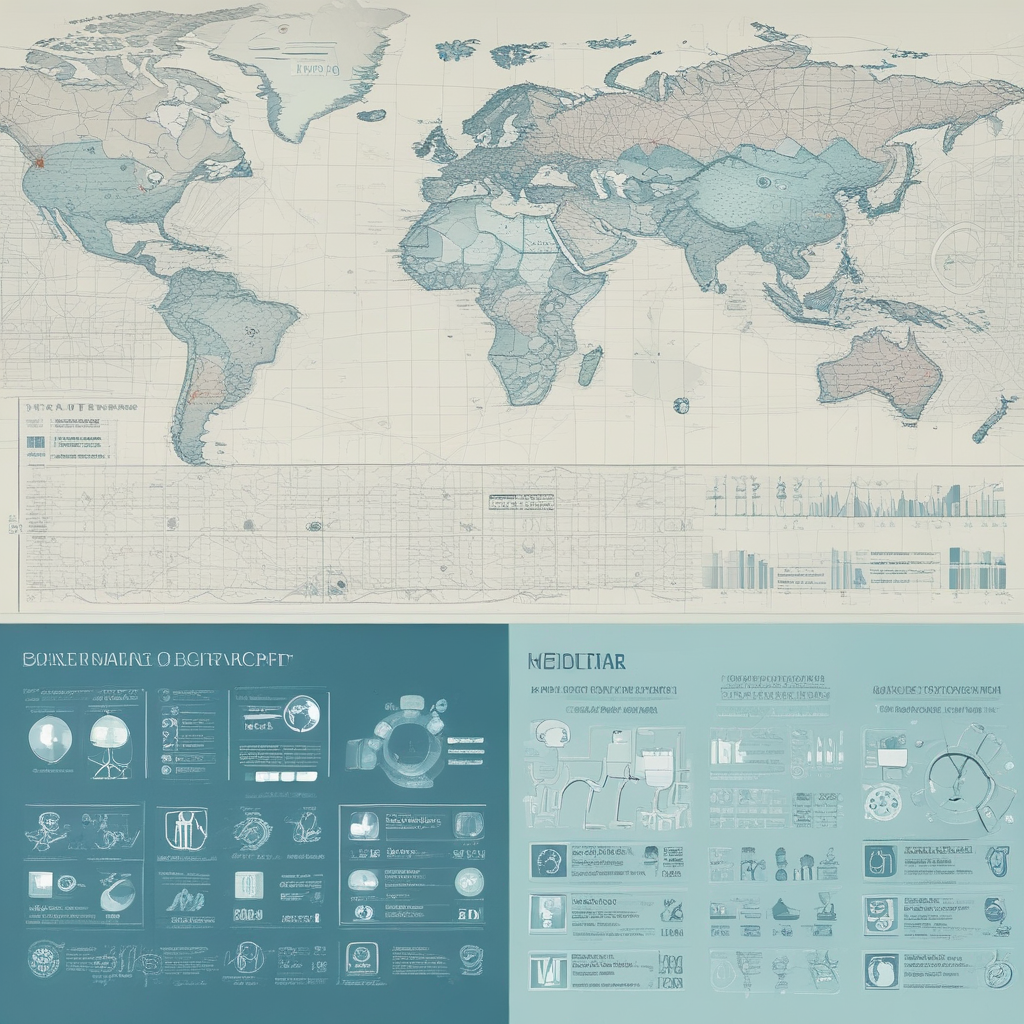
Imagine living in a world where your zip code determines whether you receive world-class medical care or struggle to access basic health services. This isn’t science fiction—it’s the stark reality of global healthcare inequality, where some nations spend over 100 times more per capita on healthcare than others, yet don’t always achieve the best outcomes.
The numbers are staggering: while European countries like Germany invest approximately $5,400 per person annually through public systems, other nations operate on less than $50 per capita. But here’s the shocking twist—the biggest spenders aren’t always the top performers.
The Staggering Numbers Behind Healthcare Spending Disparities
When examining healthcare spending by country, the disparities are nothing short of mind-boggling. The gap between the highest and lowest spending nations can exceed 100-fold differences in per capita expenditure, creating a global landscape of medical haves and have-nots.
Breaking Down the Spending Spectrum
- High-spending nations: The United States leads in per capita spending, far exceeding other developed countries
- European averages: Countries like Germany, France, and Sweden maintain robust public systems with average annual spending of approximately $5,400 per person
- Developing nations: Many countries operate healthcare systems on budgets that represent mere fractions of developed world spending
- The efficiency paradox: Some nations achieve remarkable results with modest investments through strategic system design
These health expenditure per capita differences create a global medical apartheid, where access to life-saving treatments and preventive care varies dramatically based on nationality and economic status.
The American Healthcare Paradox: Spending Most, Ranking Tenth
Perhaps no example illustrates the complexity of global healthcare inequality better than the United States. Despite spending significantly more per capita than any other developed nation, the US ranks 10th overall in health system performance, lagging behind countries like Australia, the Netherlands, and the United Kingdom.
Why More Money Doesn’t Equal Better Results
The American healthcare system’s unique approach—combining taxes, private insurance, and subsidized private organizations—contrasts sharply with the single-payer systems found in most other developed nations. This hybrid model, while generating substantial revenue for healthcare providers, often fails to deliver proportional improvements in patient outcomes.
Key factors contributing to this paradox include:
- Administrative complexity: The multi-payer system creates enormous administrative overhead
- Fragmented care: Lack of coordination between providers and insurance systems
- Preventive care gaps: Focus on treatment rather than prevention increases long-term costs
- Pricing inefficiencies: Limited price regulation leads to inflated medical costs
European Excellence: Maximizing Outcomes Through Strategic Investment
While the US struggles with efficiency, several European nations have mastered the art of delivering exceptional healthcare through well-designed public systems. Spain has the most efficient health system in Europe and ranks at the top worldwide alongside Hong Kong, Japan, and Singapore.
Germany’s Time-Tested Approach
Germany operates one of the oldest universal healthcare systems in the world, demonstrating how long-term investment in public health infrastructure pays dividends. Their model combines:
- Universal coverage: Ensuring all citizens have access to essential services
- Cost controls: Government regulation of medical pricing prevents runaway expenses
- Integrated care: Coordination between primary care, specialists, and hospitals
- Preventive focus: Investment in public health measures that reduce long-term costs
Sweden’s Maternal Health Success
Sweden exemplifies how targeted investment yields exceptional results. Maternal mortality and avoidable mortality rates in Sweden are among the lowest in developed countries, demonstrating the effectiveness of tax-funded universal systems that prioritize preventive care and early intervention.
The Efficiency Champions: Small Nations, Big Results
Some of the most impressive healthcare performance rankings belong to smaller nations that have optimized their systems for maximum efficiency. Italy, Singapore, and Iceland top the list of countries with the best healthcare systems in 2024, proving that smart system design trumps raw spending power.
Singapore’s Innovation Model
Singapore’s healthcare system combines government funding with individual responsibility, creating incentives for both preventive care and cost consciousness. Their approach includes:
- Mandatory health savings accounts: Individuals contribute to their own healthcare costs
- Government subsidies: Ensuring access regardless of individual means
- Technology integration: Leveraging digital health records and telemedicine
- Preventive care emphasis: Early intervention to prevent costly chronic conditions
Real-World Impact: What These Disparities Mean for Patients
Behind these statistics are real people whose lives are dramatically affected by their country’s approach to healthcare. The impact of global healthcare inequality extends far beyond numbers on a spreadsheet.
The Human Cost of Inequality
In high-performing systems like those found in Spain or Germany, patients enjoy:
- Comprehensive preventive care: Regular screenings and early intervention
- Coordinated treatment: Seamless transitions between care providers
- Financial protection: Healthcare needs don’t lead to bankruptcy
- Outcome focus: Systems designed to maximize patient health rather than profit
Conversely, in under-resourced systems, patients often face delayed diagnoses, limited treatment options, and catastrophic healthcare expenses that can devastate families financially.
Lessons Learned: The Path Forward for Global Health Equity
The evidence from top-performing healthcare systems reveals several key principles that transcend national boundaries and economic conditions. Universal healthcare systems consistently outperform fragmented approaches, regardless of the specific funding mechanism employed.
The most successful systems share common characteristics: universal access, cost controls, preventive care emphasis, and integrated service delivery. As nations grapple with aging populations and rising healthcare costs, these proven models offer blueprints for creating more equitable and efficient healthcare systems.
The 100-fold spending gap between nations represents both a challenge and an opportunity. By learning from the efficiency champions and addressing systemic inequalities, the global community can work toward a future where quality healthcare is determined by medical need rather than geographic lottery.
News & World
What Your Banana Really Absorbs from Soil Will Shock You
Discover how bananas, cocoa, and common crops secretly absorb toxic heavy metals from contaminated soil, putting your family’s health at risk.
Published
2 weeks agoon
February 19, 2026
Every time you peel a banana for your child or enjoy a piece of chocolate, you might unknowingly be serving up a cocktail of toxic heavy metals. Recent groundbreaking research reveals that our favorite foods are acting like biological sponges, actively absorbing dangerous substances like lead and cadmium directly from contaminated soil – and the health implications are more serious than anyone imagined.
The Hidden Pathway: How Heavy Metals in Food Enter Our Bodies
Plants don’t just grow in soil – they’re constantly interacting with it through an intricate network of roots that can extend far beyond what we see above ground. When soil becomes contaminated with heavy metals in food through industrial activities, mining operations, or agricultural practices, these toxic elements don’t simply sit dormant.
Instead, plants actively draw these metals up through their root systems in a process called bioaccumulation. According to recent ScienceDaily research, metals like lead and cadmium are transported through the plant’s vascular system and concentrated in the very parts we eat – the fruits, leaves, and edible portions.
The Biological Vacuum Effect
Think of plants as living vacuum cleaners. Their roots are designed to extract nutrients and water from soil, but they can’t distinguish between beneficial minerals and toxic heavy metals. This means:
- Lead absorption occurs through the same pathways that plants use to uptake essential nutrients like iron and zinc
- Cadmium contamination happens when plants mistake this toxic metal for calcium, actively transporting it throughout the plant tissue
- Mercury and arsenic can accumulate in plant tissues over time, creating increasingly concentrated levels in edible portions
The Worst Offenders: Bananas, Cocoa, and Cassava
Not all crops are equal when it comes to heavy metal absorption. Recent agricultural contamination studies have identified several foods that act as particularly effective concentrators of toxic metals, with some surprising results that will change how you think about healthy eating.
Bananas: The Unexpected Danger
Banana consumption poses potential health risks for children due to heavy metal accumulation in the fruit, according to 2026 research findings. This revelation is particularly troubling because bananas are often considered one of the safest, most nutritious foods for young children.
The banana plant’s extensive root system and rapid growth rate make it exceptionally efficient at absorbing whatever is in the surrounding soil. In areas with industrial contamination or legacy pollution, this means bananas can contain concerning levels of lead and cadmium.
Cocoa: Chocolate’s Dark Secret
The global love affair with chocolate takes on a darker meaning when we consider that cocoa plants are among the most efficient heavy metal absorbers in the plant kingdom. Cocoa trees, particularly those grown in regions with mining activity or industrial pollution, can concentrate cadmium levels that exceed safety standards in many countries.
- West African cocoa regions show elevated cadmium levels in beans
- Lead contamination affects cocoa processing and final chocolate products
- Organic chocolate isn’t immune – soil contamination affects all growing methods
Cassava: A Staple Crop Under Threat
For millions of people worldwide, cassava serves as a dietary staple, but this root vegetable’s ability to thrive in poor soils comes with a hidden cost. Cassava roots can accumulate heavy metals at levels that pose serious health concerns, particularly in regions where soil contamination is widespread.
Health Risks: Why Children Face the Greatest Danger
The health implications of heavy metals in food extend far beyond simple food safety concerns. These toxic elements can cause lasting damage to human health, with children bearing the greatest risk due to their developing nervous systems and higher food intake relative to body weight.
Neurological Development Threats
Lead exposure, even at low levels, can cause irreversible damage to children’s developing brains. When children consume contaminated foods like bananas – often daily as part of a healthy diet – they may be exposed to cumulative lead levels that can:
- Reduce IQ and cognitive function
- Cause attention and behavioral problems
- Impair language development and learning abilities
- Create long-term neurological deficits that persist into adulthood
Organ System Damage
Cadmium exposure through contaminated food sources can cause kidney damage, bone disease, and may increase cancer risk. World Health Organization studies indicate that chronic low-level cadmium exposure through diet is a growing concern in developed nations.
Scientific Detection: Advanced Methods Revealing Hidden Contamination
Researchers are employing cutting-edge detection methods to map exactly how heavy metals move from contaminated soil into our food supply. These scientific advances are revealing contamination patterns that were previously invisible to food safety monitoring systems.
Breakthrough Detection Technologies
Modern analytical techniques can now trace metal contamination at unprecedented levels of detail:
- X-ray fluorescence spectroscopy identifies metal concentrations in plant tissues without destroying samples
- Mass spectrometry analysis tracks how metals move through different parts of plants over time
- Biomonitoring systems provide real-time data on soil-to-plant metal transfer rates
Agricultural research initiatives are creating detailed maps of crop vulnerability, identifying which varieties of common foods are most susceptible to heavy metal absorption in different soil conditions.
Protection Strategies: Minimizing Your Family’s Exposure
While the revelation of heavy metal contamination in common foods is alarming, there are practical steps consumers can take to reduce their family’s exposure while still maintaining a nutritious diet.
Smart Shopping Strategies
- Choose produce from regions with known clean soil conditions
- Diversify food sources to avoid excessive consumption of any single potentially contaminated crop
- Look for foods that have been tested for heavy metal content
- Consider the growing location when selecting bananas, chocolate, and root vegetables
Home Food Safety Practices
Proper food preparation can help reduce some heavy metal exposure:
- Thoroughly wash all produce, even though this won’t eliminate absorbed metals
- Peel root vegetables when possible, as metals often concentrate in outer layers
- Limit consumption of identified high-risk foods, especially for young children
- Maintain a varied diet to minimize risk from any single contaminated source
The Future of Food Safety and Heavy Metal Monitoring
The discovery of widespread heavy metal contamination in everyday foods like bananas and cocoa represents a wake-up call for food safety systems worldwide. Regulatory agencies are beginning to implement more stringent monitoring protocols, but the challenge of addressing soil contamination on a global scale remains enormous.
As research continues to reveal the extent of this hidden contamination, consumers are faced with the reality that even the healthiest foods may carry unexpected risks. The future of food safety will likely depend on our ability to address contamination at its source – in the soil itself – while developing crops that are less susceptible to heavy metal absorption.
The next time you reach for that banana or piece of chocolate, remember that what you can’t see might be more important than what you can. Understanding the hidden pathways of contamination in our food supply is the first step toward protecting our families from these invisible threats that have been hiding in plain sight.


Trending

 Global News2 months ago
Hidden Economic Warfare: How Climate Deals Secretly Control Global Trade

 Historical Figures3 months ago
7 Anonymous Heroes Who Changed History Forever – 3 Will Shock You

 Art & Design3 months ago
Ancient Potters’ 3,500-Year-Old Chemistry Secret That Still Baffles Scientists

 Art & Design3 months ago
Scientists Just Discovered What Renaissance Artists Knew All Along – It Changes Everything

 Fun Facts3 months ago
Scientists Just Discovered Space Isn’t Silent – The Sounds Will Shock You

 News & World3 months ago
Urban Explorers’ Most Terrifying Encounters in ‘Empty’ Buildings

 Global News4 months ago
Undefined Behavior Programming: The Hidden Digital Threat

 Historical Figures3 months ago
7 Unknown Historical Figures Who Secretly Changed the World