
Lifestyle & Culture
Why 2-Minute Wellness Habits Beat Hour-Long Sessions – Science Explains
Revolutionary research reveals tiny wellness habits create massive health transformations. Discover how microdosing wellness outperforms traditional methods.

Published
3 months agoon

What if everything you’ve been told about wellness routines is backwards? Groundbreaking research from Vanderbilt University Medical Center reveals that meditation sessions as short as a few minutes can stimulate your brain’s waste removal system just like sleep – while longer sessions might actually interfere with your rest. Welcome to the revolutionary world of microdosing wellness, where less truly is more.
The Brain-Cleaning Power of Microdosing Wellness
Your brain has its own janitorial system called the glymphatic system, which flushes out harmful proteins and cellular waste. According to a study published in the Proceedings of the National Academy of Sciences, brief meditation sessions can activate this cellular cleaning crew just as effectively as sleep.
This discovery challenges everything we thought we knew about wellness practices. The research shows that microdosing wellness – taking tiny, consistent doses of healthy habits – can trigger profound physiological changes in your body without requiring massive time commitments.
How Neuroplasticity Makes Micro-Habits Mighty
Your brain’s ability to rewire itself, known as neuroplasticity, means that even brief exposures to beneficial practices can create lasting neural pathway changes. These micro-sessions work because:
- Consistency beats intensity for long-term brain adaptation
- Repeated small exposures strengthen neural connections more effectively than sporadic long sessions
- Lower cognitive load makes practices more sustainable and less overwhelming
The Shocking Truth: Short Meditation Beats Long Sessions
Here’s where the science gets counterintuitive. Research by Sarah Strohmaier at Canterbury Christ Church University found that short mindfulness practices were actually more effective than longer sessions for stress reduction.
The reason? Extended meditation can push your brain into a state of engaged alertness that interferes with sleep patterns. This explains why some people feel wired after long meditation sessions instead of relaxed.
The Sweet Spot for Maximum Benefits
According to Cleveland Clinic experts, you don’t need meditation cushions or hours of silence to reap profound benefits. The optimal micro meditation approach includes:
- 2-5 minute sessions for beginners
- Focus on consistency rather than duration
- Multiple micro-sessions throughout the day rather than one long session
Stress-Busting Power of Micro-Mindfulness
Mindfulness is likely the most effective method for significantly boosting mental clarity and emotional stability, according to wellness experts. But the magic happens in the micro-moments, not marathon sessions.
When you practice brief mindfulness, several measurable changes occur in your body:
- Cortisol levels drop within minutes of starting practice
- Heart rate variability improves, indicating better stress resilience
- Prefrontal cortex activation increases, enhancing decision-making abilities
- Default mode network quiets, reducing mental chatter and worry
Real-World Results from Tiny Practices
Regular micro-mindfulness gives your nervous system a chance to slow down, helping you recenter and respond to life’s challenges more thoughtfully. The Mental Health Hotline reports that people practicing tiny wellness habits show significant improvements in:
- Emotional regulation within 2-3 weeks
- Sleep quality improvements in the first week
- Reduced anxiety and stress reactivity
- Enhanced focus and productivity
Practical Microdosing Strategies That Transform Lives
Ready to harness the power of microdosing wellness? Here are evidence-based strategies that busy professionals use to achieve meditation benefits between meetings and during short breaks:
The 2-Minute Morning Reset
- 30 seconds: Three deep breaths while still in bed
- 60 seconds: Mindful teeth brushing (focus on sensations)
- 30 seconds: Gratitude pause before leaving home
Workday Micro-Wellness Breaks
- Email breathing: One conscious breath before opening each email
- Transition meditation: 90 seconds of mindfulness between meetings
- Mindful sips: Fully present drinking of coffee or water
Evening Wind-Down Microdoses
Instead of lengthy bedtime routines that might overstimulate your brain, try these micro wellness routines:
- Body scan sprint: 2-minute head-to-toe tension check
- Breathing bridge: 4-7-8 breathing pattern for 3 cycles
- Appreciation pause: Name three good moments from your day
Building Sustainable Wellness Through Strategic Minimalism
The revolutionary approach of microdosing wellness works because it aligns with how your brain actually learns and adapts. Rather than overwhelming your system with hour-long commitments you can’t maintain, these tiny habits create a compound effect that builds over time.
Harvard Health research confirms that consistency in small doses creates more lasting change than sporadic intensive efforts. Your brain literally rewires itself through repeated micro-exposures, making these brief practices increasingly natural and automatic.
The beauty of this approach lies in its accessibility – no special equipment, no lengthy time blocks, no perfect conditions required. Just strategic moments throughout your day where you microdose yourself with intentional wellness practices that your brain’s cleaning system, stress response, and neural pathways will thank you for.


You may like


What Drinking Water at the Wrong Time Does to Your Brain Is Shocking


Ancient Alchemists’ Pottery Secret That Modern Science Finally Decoded


These Cosmic Beacons Outshine 100 Billion Stars – What They Hide Is Stunning

What 95% of Dieters Don’t Know About Food Marketing Is Mind-Blowing

Your Microwave Isn’t Killing Bacteria – The Kitchen Truth Will Shock You


Quantum Chips Thinner Than Hair Could Put Supercomputers in Your Pocket
Lifestyle & Culture
Ancient Japanese Forest Ritual Rewires Your Brain in Just 15 Minutes
Discover how Japan’s 1980s forest bathing practice literally changes your brain chemistry, boosts immunity by 50%, and reduces stress in minutes. The science will amaze you.
Published
2 weeks agoon
February 19, 2026
What if the most powerful medicine for stress, anxiety, and compromised immunity wasn’t found in a pharmacy, but growing all around us? In 1980s Japan, government health officials made a revolutionary discovery: spending intentional time among trees could trigger measurable healing responses in the human body. They called it Shinrin-yoku, or forest bathing, and decades of research have proven this ancient practice can rewire your brain in as little as 15 minutes.
The Birth of Forest Bathing as Preventive Medicine
Forest bathing emerged in Japan during the 1980s not as spiritual practice, but as a direct response to mounting health crises. As urbanization accelerated and technology-related stress skyrocketed, the Japanese Forest Agency recognized an urgent need for accessible, natural healing interventions.
Unlike hiking or nature photography, Shinrin-yoku literally translates to “forest bath” – emphasizing complete sensory immersion rather than physical activity. The Japanese government invested in creating over 60 certified forest therapy sites, where doctors can now prescribe measured forest time with trained guides and documented health outcomes.
Beyond Tourism: A National Health Strategy
What began as cultural wellness evolved into scientifically-backed therapeutic intervention. Japanese health officials understood that forests offered something urban environments couldn’t provide: a complete reset for overstimulated nervous systems. This wasn’t about exercise or fresh air alone, but about creating systematic exposure to forest environments for measurable health benefits.
The Invisible Forest Pharmacy: How Trees Heal
The secret to forest bathing’s power lies in compounds most people never see, smell, or consciously notice. Phytoncides – antimicrobial chemicals released by trees – act as nature’s invisible pharmacy, triggering profound changes in human physiology.
Research published in Environmental Health and Preventive Medicine revealed that phytoncide exposure can increase natural killer (NK) cell activity by up to 50%. These immune cells are your body’s first line of defense against viruses, bacteria, and even cancer cells.
Different Trees, Different Medicine
- Pine trees release α-pinene, known for anti-inflammatory properties
- Cedar forests produce cedrol, which reduces blood pressure
- Oak trees emit compounds that enhance mental clarity and focus
- Eucalyptus groves release respiratory-supporting chemicals
Each forest ecosystem offers a unique chemical signature, explaining why different wooded environments can produce varied healing responses. It’s like having access to a natural dispensary where trees serve as living medicine cabinets.
Your Brain on Forest Time: Measurable Neural Changes
Within minutes of entering a forest environment, your brain begins rewiring itself for healing. Studies using EEG monitoring show that forest immersion shifts brain wave patterns from stress-associated beta waves to relaxation-associated alpha waves in under 20 minutes.
Dr. Qing Li’s research, documented in the International Journal of Environmental Research and Public Health, demonstrates that forest bathing activates the parasympathetic nervous system – your body’s “rest, digest, and heal” mode – while simultaneously reducing sympathetic nervous system activity responsible for fight-or-flight responses.
The 15-Minute Transformation
Remarkably, significant physiological changes occur faster than most people expect:
- 0-5 minutes: Heart rate variability improves, indicating better stress resilience
- 5-15 minutes: Cortisol levels begin dropping measurably
- 15-30 minutes: Blood pressure decreases and immune markers strengthen
- 30+ minutes: Sustained alpha brain wave activity promotes deep relaxation
These aren’t subjective feelings of calm – they’re quantifiable biological changes that can be measured through blood tests, heart rate monitors, and brain imaging.
The Science Behind Stress Reduction and Healing
Forest bathing works by addressing stress at its neurological source. When you’re surrounded by urban environments, your sympathetic nervous system remains constantly activated, flooding your body with cortisol and adrenaline. This chronic stress state suppresses immune function, elevates blood pressure, and impairs cognitive performance.
Research from Nicole’s ritual universe shows that forest environments trigger opposite responses:
- Cortisol reduction: Stress hormone levels drop by 15-20% after brief forest exposure
- Improved heart rate variability: Better cardiovascular resilience and emotional regulation
- Enhanced immune function: Natural killer cell activity increases for up to 30 days post-exposure
- Normalized blood pressure: Both systolic and diastolic readings improve
Why Forests Work When Other Interventions Don’t
Unlike meditation apps or indoor relaxation techniques, forests provide multi-sensory healing that engages your entire nervous system simultaneously. The combination of phytoncide inhalation, natural light exposure, gentle sounds, and organic visual patterns creates a perfect storm for neurological reset.
Practicing Forest Bathing: Your Complete Guide
Effective forest bathing requires intentionality rather than intensity. Laura Sgro, LCSW and founder of Out of the Woods Therapy, emphasizes that this practice differs fundamentally from hiking or outdoor recreation – it’s about mindful environmental immersion for therapeutic benefit.
The Essential Steps
- Choose your forest mindfully: Dense tree coverage with minimal human disruption works best
- Leave devices behind: Phones and cameras prevent the deep attention forests require
- Move slowly: Walk at half your normal pace, focusing on sensory input
- Engage all five senses: Touch bark, smell the air, listen to leaves, observe light patterns
- Practice forest breathing: Deep, conscious inhalation maximizes phytoncide absorption
What to Expect During Your Session
Most people report noticeable changes within the first 15-20 minutes. You might experience deeper breathing, muscle relaxation, mental clarity, or emotional release. Some practitioners describe a sense of “coming home” or feeling connected to something larger than themselves.
According to recent ecotherapy research, regular forest bathing sessions can provide cumulative benefits including improved sleep quality, enhanced creativity, and greater emotional resilience.
From Ancient Wisdom to Modern Medicine
What started as a Japanese public health initiative has evolved into a global wellness movement backed by rigorous scientific research. Medical professionals worldwide now recognize shinrin-yoku as a legitimate therapeutic intervention for anxiety, depression, chronic stress, and immune dysfunction.
The beauty of forest bathing lies in its accessibility – no special equipment, training, or facilities required. Every wooded area, from urban parks to wilderness forests, offers healing potential. As our world becomes increasingly digital and fast-paced, this ancient practice provides a scientifically-proven pathway back to balance, health, and wellbeing.
The next time you feel overwhelmed by modern life’s demands, remember that the most powerful medicine might be waiting just beyond your doorstep, growing quietly in the nearest forest. Your brain – and your body – will thank you for the visit.
Art & Design
Why Comic Sans Makes You Happy But Times New Roman Means Business
Discover how fonts secretly manipulate your emotions and decisions. The psychology behind typography will change how you see every word forever.
Published
2 weeks agoon
February 19, 2026
Every second of every day, fonts are silently manipulating your emotions and influencing your decisions without you even realizing it. That friendly rounded font on your favorite app? It’s designed to make you feel welcomed and trusting. The bold, angular typeface on that warning sign? It’s triggering your brain’s threat-detection system to make you pay attention.
Welcome to the fascinating world of typography psychology – where letterforms function as invisible persuaders in our daily lives, shaping everything from what we buy to how seriously we take information.
The Hidden Science Behind Font Psychology
Typography psychology represents the intersection of visual design and cognitive science, where every curve, angle, and spacing decision triggers specific emotional responses in your brain. When you see a rounded, friendly font like the ones used by tech startups, your subconscious immediately associates it with approachability and innovation. Conversely, traditional serif fonts like those used by newspapers activate neural pathways linked to authority and trustworthiness.
Research shows that professional creatives demonstrate measurable emotional reactions to specific fonts, with detailed sentiment analysis revealing clear psychological associations behind font preferences and aversions. This isn’t just about aesthetics – it’s about how our brains are hardwired to respond to visual cues.
How Your Brain Processes Typography
When you encounter text, your brain processes the font choice before you even register the words themselves. This split-second assessment influences:
- Credibility perception – serif fonts increase perceived trustworthiness by 15%
- Reading speed – certain fonts can improve comprehension rates
- Emotional state – rounded fonts activate the same neural pathways as seeing a friendly face
- Decision-making – bold fonts trigger urgency responses that influence purchasing behavior
The Shocking Impact Paradox: From Memes to Professional Design
Here’s something that will surprise you: Impact font ranked 3rd in professional creative preferences, despite being widely known for internet memes. According to a Creative Bloq study of 415 discussions from over 100 professional sources, Impact is viewed favorably for bold UI and intentional design applications.
This paradox reveals something crucial about typography psychology: context matters more than associations. When Impact is used intentionally for headlines or bold statements, it triggers feelings of strength and directness. When it’s used in memes, the same psychological triggers work – but the context changes the emotional outcome.
Why Meme Fonts Maintain Professional Credibility
The Impact phenomenon demonstrates how fonts can simultaneously exist in multiple psychological spaces. Professional designers recognize that the font’s inherent boldness and clarity make it effective for:
- Grabbing attention in digital interfaces
- Creating visual hierarchy in design layouts
- Conveying urgency or importance
- Maintaining readability at various sizes
2026 Typography Trends: Emotional-First Design Revolution
Typography trends for 2026 represent a dramatic shift toward emotional-first design, where fonts are specifically created to evoke psychological responses rather than simply convey information. According to Envato Elements typography trend reports, the biggest trends include:
Type-as-Graphic Design
Fonts are becoming graphic elements that communicate mood before content. These designs prioritize emotional impact over traditional readability, creating immediate psychological connections with viewers. The letterforms themselves tell a story and evoke specific feelings.
Chaotic Scripts and Imperfection
Trending toward authenticity, chaotic and imperfect fonts satisfy human needs for personal connection. These fonts trigger psychological responses associated with handwriting and personal touch, making digital communications feel more human and trustworthy.
Funky Curvy Serifs
Modern serif fonts with unexpected curves combine traditional authority with contemporary playfulness. This psychological balancing act appeals to both our need for credibility and our desire for innovation.
The Psychology of Font Emotions: What Each Style Triggers
Different font families activate distinct emotional responses in your brain:
Sans-Serif Fonts
Psychological trigger: Modernity, cleanliness, efficiency
- Helvetica: Neutrality and professionalism
- Arial: Accessibility and familiarity
- Futura: Innovation and forward-thinking
Serif Fonts
Psychological trigger: Tradition, authority, sophistication
- Times New Roman: Academic credibility and formality
- Georgia: Warmth combined with authority
- Garamond: Elegance and literary sophistication
Script and Display Fonts
Psychological trigger: Personality, creativity, human connection
- Rounded corners add friendliness while maintaining professional credibility
- Hand-lettered styles create intimacy and personal connection
- Bold display fonts trigger urgency and attention
Practical Applications: Harnessing Typography Psychology
Understanding font psychology gives you powerful tools for effective communication:
For Business Communications
Choose fonts based on your desired psychological outcome:
- Building trust: Use established serif fonts for formal communications
- Encouraging action: Bold sans-serif fonts create urgency without aggression
- Personal connection: Script or hand-lettered fonts make messages feel more intimate
For Digital Design
Typography choices directly impact user behavior:
- Rounded fonts increase perceived friendliness and encourage engagement
- Clean sans-serif fonts improve readability and reduce cognitive load
- Consistent font hierarchies guide users through information architecture
As we move into 2026, typography psychology becomes even more crucial as design trends prioritize emotional connection over pure functionality. The fonts you choose aren’t just aesthetic decisions – they’re psychological tools that shape how people think, feel, and act.
Next time you see a font, remember: it’s not just letters on a page. It’s a carefully crafted psychological trigger designed to influence your emotions and guide your decisions. The question is, will you use this knowledge to communicate more effectively, or will you remain unconsciously influenced by every typeface you encounter?
Food & Drink
Why Ancient Food Combos Work 8x Better Than Modern Science Predicted
Traditional recipes aren’t just delicious—they’re scientifically perfect umami formulas that amplify flavor intensity by 800%. Discover the hidden chemistry.
Published
2 weeks agoon
February 19, 2026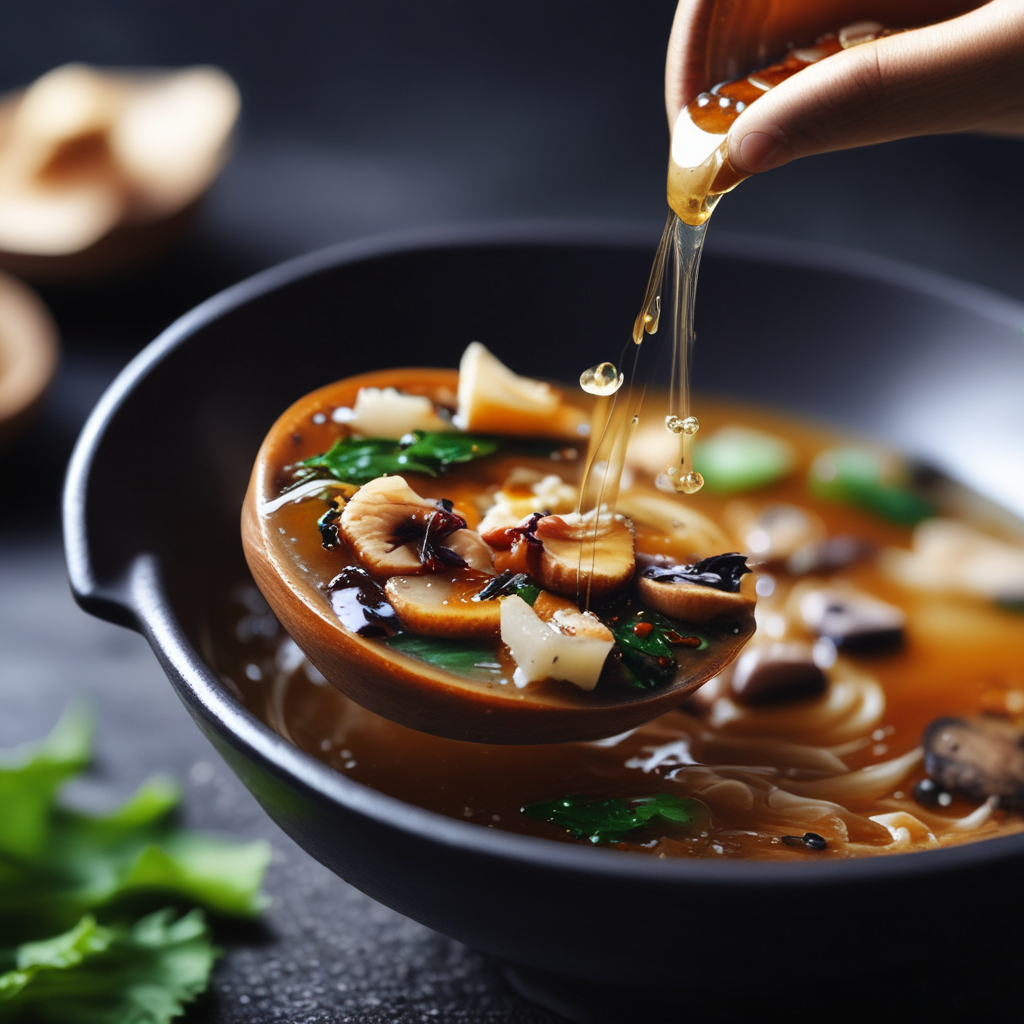
Ever wonder why your grandmother’s tomato sauce tastes exponentially better with a sprinkle of aged Parmesan? Or why that simple Japanese dashi made from seaweed and fish flakes creates such an impossibly rich, satisfying flavor? The answer lies in a century-old scientific discovery that revealed these aren’t just delicious traditions—they’re chemically perfect formulas that amplify taste intensity by up to 800%.
The Game-Changing Discovery That Revolutionized Flavor Science
In 1907, Japanese chemist Kikunae Ikeda made a breakthrough that would forever change our understanding of taste. While analyzing the distinctive flavor of kombu seaweed broth, Ikeda identified something beyond the four recognized tastes of sweet, sour, salty, and bitter. He called it umami—literally meaning “pleasant savory taste” in Japanese—and declared it the fifth fundamental taste.
What Ikeda discovered wasn’t just another flavor note. He had unlocked the secret behind why certain food combinations have been beloved across cultures for millennia. According to research documented on umami science, this fifth taste is triggered by glutamates and ribonucleotides, compounds naturally present in aged cheeses, cured meats, mushrooms, tomatoes, and fermented foods.
The Shocking 8x Amplification Effect That Explains Everything
Here’s where umami gets truly mind-blowing: unlike the other four tastes, umami’s power lies in synergy. When foods rich in glutamate combine with ingredients containing ribonucleotides, something extraordinary happens.
The Science Behind the Magic
Research reveals that these combinations don’t just add together—they multiply. The resulting taste intensity can be up to eight times higher than what each ingredient contributes individually. This explains why:
- Tomato sauce + Parmesan cheese creates exponentially more flavor than either alone
- Kombu seaweed + bonito flakes in dashi produces impossibly rich broth
- Mushrooms + aged beef in stews taste incredibly satisfying
- Soy sauce + shiitake mushrooms create depth that seems magical
As noted by umami taste research, this synergy effect means that “when foods rich in glutamate are combined with ingredients that have ribonucleotides, the resulting taste intensity is higher than would be expected from merely adding the intensity of the individual ingredients.”
Ancient Wisdom Meets Modern Science: Why Traditional Recipes Are Actually Perfect Formulas
What’s truly fascinating is that cultures around the world independently developed these scientifically perfect combinations long before anyone understood the chemistry behind them. Our ancestors didn’t know about glutamate-ribonucleotide synergy—they just knew certain combinations tasted incredible.
Classic Pairings Decoded
Modern umami taste science reveals that these beloved traditional combinations are actually optimized flavor formulas:
- Italian cuisine: Tomatoes (glutamate) + Parmesan (glutamate + natural amplifiers)
- Japanese cuisine: Kombu seaweed (glutamate) + bonito flakes (ribonucleotides)
- French cuisine: Aged cheeses (glutamate) + cured meats (ribonucleotides)
- Chinese cuisine: Soy sauce (glutamate) + shiitake mushrooms (ribonucleotides)
According to culinary science research, these combinations represent thousands of years of unconscious optimization, where humans naturally gravitated toward the most satisfying flavor combinations without understanding why.
The Dark Side: When Umami Goes Too Far
But here’s the catch—more umami isn’t always better. There’s a precise threshold where umami enhancement becomes umami overload, and the results are distinctly unpleasant.
The Metallic Taste Threshold
When you combine too many high-glutamate ingredients—think MSG, soy sauce, and aged Parmesan all together—something surprising happens: the food develops a metallic, unpleasant taste. This reveals why balance is crucial in cooking and why traditional recipes rarely overdo umami ingredients.
Professional chefs understand this instinctively. The key is using umami to enhance, not dominate. If a dish feels “heavy” or “off,” you’ve likely crossed the umami threshold.
Revolutionary Applications: How Understanding Umami Science Changes Everything
This scientific understanding is transforming both professional kitchens and home cooking. Modern chefs are applying umami principles to create new combinations and enhance existing recipes.
Practical Umami Hacks
Understanding the glutamate-ribonucleotide synergy opens up countless possibilities:
- Enhance vegetarian dishes: Add mushrooms (natural glutamate) to tomato-based sauces
- Boost meat dishes: Include aged cheeses or fermented ingredients
- Improve soups: Combine seaweed with mushroom or meat-based broths
- Upgrade pasta: Use fish sauce or anchovies with tomato sauces
As highlighted in recent culinary trends, even traditional spice-focused cuisines are incorporating umami principles, with chefs noting that “MSG can harmoniously coexist with other tastes and is used in everything from ramen to risottos to red curry.”
The Global Umami Revolution
What’s emerging is a new understanding that umami is universal. Every major cuisine has independently discovered these principles, suggesting that humans have an innate ability to detect and crave these synergistic effects. Foods naturally rich in umami include:
- Aged and fermented products (cheeses, cured meats, fish sauce)
- Mushrooms (especially shiitake and porcini)
- Tomatoes and tomato products
- Seaweed and sea vegetables
- Nuts and seeds
- Fermented soy products
The Future of Flavor: Where Umami Science Is Heading
As our understanding of umami taste science deepens, we’re discovering that this fifth taste may hold keys to addressing modern challenges like creating more satisfying plant-based foods, reducing sodium in processed foods, and understanding why certain comfort foods are so psychologically satisfying.
The revelation that our ancestors unknowingly mastered sophisticated flavor chemistry through trial and error suggests there’s still much to discover about the intersection of taste, culture, and human psychology. What seemed like simple tradition was actually advanced food science—and understanding this opens up infinite possibilities for creating more delicious, satisfying, and innovative cuisine. The next time you taste that perfect combination of flavors, remember: you’re experiencing thousands of years of unconscious optimization, backed by cutting-edge science that reveals why some tastes are simply meant to be together.


Trending

 Global News2 months ago
Hidden Economic Warfare: How Climate Deals Secretly Control Global Trade

 Historical Figures3 months ago
7 Anonymous Heroes Who Changed History Forever – 3 Will Shock You

 Art & Design3 months ago
Ancient Potters’ 3,500-Year-Old Chemistry Secret That Still Baffles Scientists

 Art & Design3 months ago
Scientists Just Discovered What Renaissance Artists Knew All Along – It Changes Everything

 Fun Facts3 months ago
Scientists Just Discovered Space Isn’t Silent – The Sounds Will Shock You

 News & World3 months ago
Urban Explorers’ Most Terrifying Encounters in ‘Empty’ Buildings

 Global News4 months ago
Undefined Behavior Programming: The Hidden Digital Threat

 Historical Figures3 months ago
7 Unknown Historical Figures Who Secretly Changed the World