
Breaking News
Why Emergency Alerts Failed When Lives Depended on Them Most
The shocking truth about why emergency alert systems fail during critical moments – from 9/11 to campus shootings, the hidden flaws revealed

Published
2 months agoon
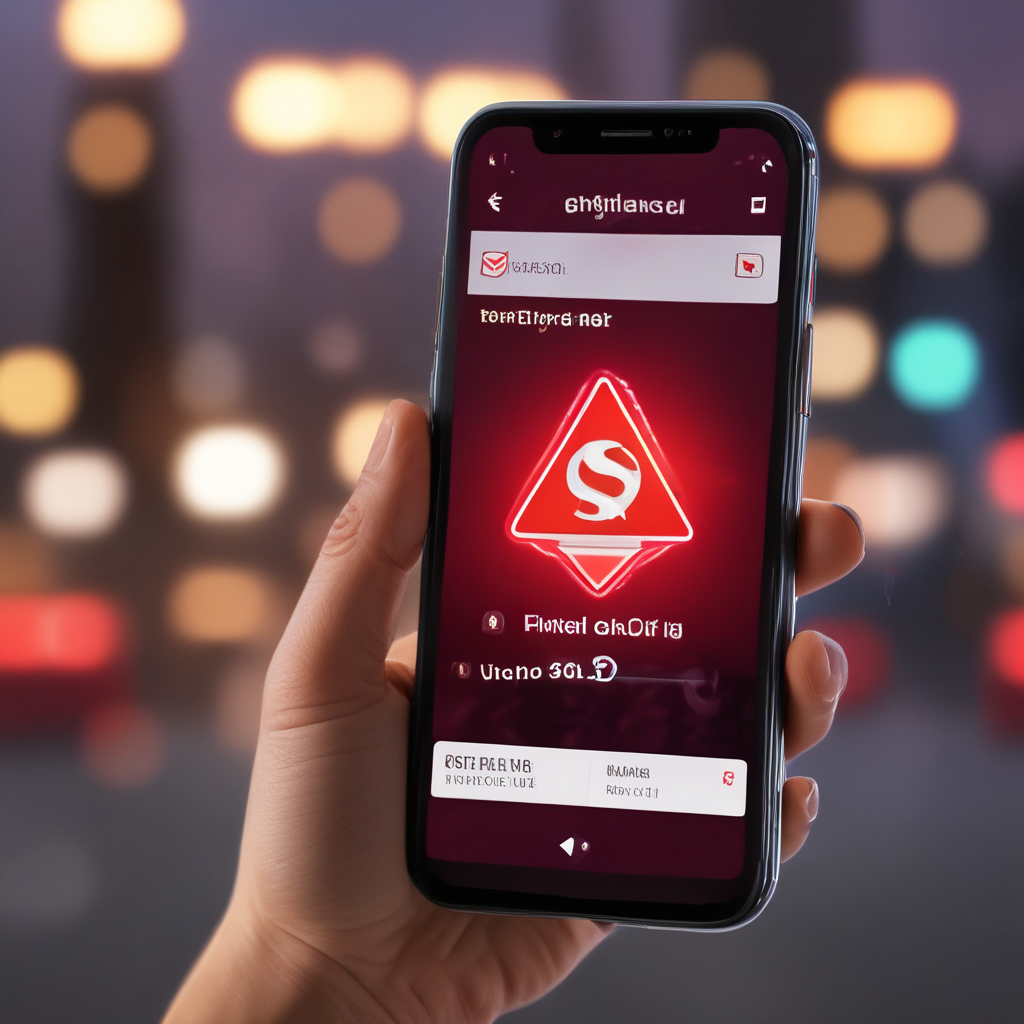
When a gunman opened fire at Brown University, officials faced an impossible choice: send emergency alerts that might cause deadly panic, or stay silent and risk lives. They chose silence. This wasn’t negligence—it was the harsh reality of emergency alert systems that work perfectly in theory but crumble under real-world pressure.
Every day, millions of Americans trust that if disaster strikes, they’ll receive life-saving alerts on their phones, radios, and TVs. But behind the scenes, a complex web of technology, psychology, and split-second decision-making determines whether these systems save lives or make disasters worse.
The Hidden Reality of How Emergency Alert Systems Actually Work
The Emergency Alert System (EAS) isn’t the foolproof safety net most people imagine. This Cold War-era technology was originally designed for nuclear attacks, not the complex emergencies we face today. The system can only broadcast audio messages that completely override all programming—a blunt instrument in an age requiring surgical precision.
The Technical Limitations Nobody Talks About
Here’s what most people don’t know about emergency alert systems:
- They can only transmit pre-recorded audio messages
- There’s no way to target specific neighborhoods or buildings
- The alerts override all programming, making them impossible to ignore
- Officials have just minutes to decide whether to activate them
- Once sent, they cannot be easily recalled or modified
According to official EAS documentation, the system serves as a “last-ditch effort to get a message out if the president cannot get to the media.” This reveals a fundamental flaw: the system assumes media failure rather than competing with instant digital communication.
When 24/7 News Makes Emergency Alerts Obsolete
The most striking example of emergency alert system failure occurred on September 11, 2001. Despite facing the worst attack on American soil since Pearl Harbor, the EAS was never activated. Why? Constant news coverage had already informed the entire nation.
This creates what experts call the “Media Redundancy Paradox”—in our most connected age, official emergency systems become less relevant because social media and news coverage often outpace formal alerts. When everyone already knows about a crisis, emergency alerts feel antiquated and unnecessary.
The Speed of Information vs. The Speed of Bureaucracy
Modern crises unfold at digital speed, but emergency broadcasting systems operate at bureaucratic speed. Consider these timeline realities:
- Social media posts appear within seconds of an incident
- News alerts reach phones within 1-2 minutes
- Official emergency alerts require 5-15 minutes for authorization
- By the time officials act, the story has already spread globally
This timing gap doesn’t just make alerts feel redundant—it can make them dangerous. Late alerts often contradict information people have already received, creating confusion during critical moments.
The Deadly Psychology of Alert Fatigue and Public Panic
Providence Mayor Brett Smiley faced global scrutiny when his administration decided against sending emergency alerts during the Brown University shooting. As reported by the Providence Journal, officials worried that alerts might cause more harm than the actual threat.
This decision highlights the “Goldilocks Problem” of crisis communication: emergency alerts must be perfectly timed and calibrated. Too early and they cause unnecessary panic, too late and they’re useless. There’s a narrow window where they’re “just right.”
When Alerts Become Part of the Problem
Alert fatigue has created a dangerous desensitization among the public. Just like people ignore car alarms, frequent emergency notifications have trained citizens to dismiss urgent warnings. This forces officials into an impossible position:
- Send alerts frequently and risk desensitizing the public
- Reserve alerts for true emergencies and risk being too late
- Try to calibrate perfectly and face criticism regardless of the outcome
Research shows that public safety alerts can trigger dangerous crowd behaviors, including stampedes, traffic accidents, and mass evacuations that cause more casualties than the original threat. Officials must weigh these risks against the potential benefits of warning the public.
Real-World Consequences: When Systems Fail and Succeed
The track record of emergency alert systems reveals a troubling pattern of missed opportunities and unintended consequences. During Hurricane Katrina, communication breakdowns left thousands stranded without warning. The 2018 false missile alert in Hawaii caused widespread panic, traffic accidents, and psychological trauma.
Success Stories Hidden from Public View
However, successful emergency alerts rarely make headlines. Weather-related warnings have prevented thousands of deaths over decades, and National Emergency Messages remain ready for the ultimate crisis—nuclear war or global catastrophe.
The most effective crisis communication often goes unnoticed because it prevents disasters rather than responding to them. These quiet successes don’t generate news coverage, creating a skewed perception that emergency systems always fail.
The Future of Crisis Communication in a Digital World
Emergency alert technology is rapidly evolving to address modern challenges. New systems can:
- Target alerts to specific geographic areas down to individual cell towers
- Send multimedia messages with maps, photos, and detailed instructions
- Integrate with social media platforms for broader reach
- Use artificial intelligence to optimize timing and messaging
- Provide real-time feedback on alert effectiveness
But technology alone cannot solve the fundamental human challenges of emergency broadcasting. Officials will always face split-second decisions with life-or-death consequences, incomplete information, and the weight of public criticism.
Lessons from Global Emergency Systems
Other nations offer instructive examples. Japan’s earthquake early warning system sends alerts seconds before tremors hit, giving people just enough time to take cover. Israel’s rocket alert system has saved countless lives by providing 15-90 second warnings of incoming missiles.
These successes share common elements: clear, specific threats with obvious protective actions, consistent public education, and regular testing to maintain system reliability.
The Hidden Complexity Behind Life-or-Death Decisions
The next time you receive an emergency alert—or wonder why you didn’t—remember the impossible calculations happening behind the scenes. Officials must balance public safety against panic, speed against accuracy, and transparency against security. They operate systems designed for a simpler era while facing threats that would have been unimaginable decades ago.
Emergency alert systems will continue to evolve, but they will never be perfect. The human element—judgment, timing, and the courage to make difficult decisions under pressure—remains the most critical component of any crisis communication system. Understanding these limitations isn’t cause for despair but for realistic expectations and continued improvement.
In our interconnected world, the most important emergency alert might not come from official channels at all—it might come from a neighbor, a news app, or a social media post. The future of crisis communication isn’t about perfecting any single system but about creating redundant, complementary networks that work together when seconds count and lives hang in the balance.


You may like


The Forgotten Story of Human Computers That Changed Everything


Why Internet Access Transforms Poverty Into Revolution Changes Everything


Quantum Chips Thinner Than Hair Could Put Supercomputers in Your Pocket


Ancient Muslim Engineers Had Tide Mills 800 Years Before Europe


Why History’s Greatest Failures Became Legends Will Change Your Mind


Robots Just Learned to Feel – And It’s Changing Everything
Breaking News
The Forgotten 1949 Broadcast That Created Modern Breaking News
How a tragic 27-hour rescue attempt accidentally revolutionized emergency broadcasting and created the 24/7 news cycle we know today. The untold story.
Published
2 weeks agoon
February 18, 2026
Imagine a world where breaking news didn’t exist. Where catastrophes unfolded without live coverage, and people learned about emergencies hours or days later through newspapers and radio bulletins. This was reality until April 8, 1949, when a tragic accident in San Marino, California accidentally birthed the entire concept of modern breaking news coverage that now dominates our daily lives.
The Day That Changed Breaking News History Forever
On that fateful Friday afternoon, three-year-old Kathy Fiscus was playing in a field when she suddenly vanished. Her cries for help led rescuers to discover she had fallen down an abandoned water well, trapped 100 feet underground in a narrow 14-inch pipe. What happened next would fundamentally transform how the world consumes urgent information.
Los Angeles television station KTLA made an unprecedented decision that would reshape media history: they would broadcast the rescue attempt live, continuously, for as long as it took. Nobody had ever attempted anything like this before.
The Birth of 24/7 Coverage
For 27½ straight hours, KTLA maintained uninterrupted coverage of the rescue efforts. Cameras captured every dramatic moment:
- Rescue workers desperately digging parallel shafts
- Heavy machinery arriving throughout the night
- Crowds of thousands gathering at the scene
- Expert interviews and constant updates on progress
- The tragic discovery that Kathy had succumbed to asphyxiation
Television sets across Southern California remained glued to the unfolding drama. Viewers cancelled plans, called in sick to work, and gathered in groups around the few television sets available. Breaking news history was being written in real-time, though nobody realized it at the moment.
How KTLA’s Experiment Revolutionized Emergency Broadcasting
Before this watershed moment, news operated on rigid schedules. Radio programs delivered updates at predetermined times, newspapers printed once or twice daily, and movie theater newsreels showed week-old footage. The concept of continuous, real-time reporting simply didn’t exist.
The Immediate Industry Impact
KTLA’s marathon broadcast proved several revolutionary concepts that now seem obvious:
- Audiences craved immediate updates during crisis situations
- Visual storytelling created emotional connections impossible through radio alone
- Continuous coverage could maintain viewer attention for extended periods
- Breaking into regular programming for urgent news was not only acceptable but expected
Other television stations took notice immediately. The broadcasting industry recognized they had witnessed the future of emergency communication, establishing the template for modern crisis coverage that persists today.
From Television Marathon to Digital Revolution
The evolution from KTLA’s pioneering broadcast to today’s instant notifications represents one of media’s fastest transformations. The next major milestone arrived 45 years later during the 1994 Northridge earthquake in California.
The First Digital Breaking News
The 1994 earthquake became one of the first major stories reported online in real-time. Early internet users shared firsthand accounts, damage reports, and safety information through primitive websites and bulletin boards. This marked the beginning of digital breaking news culture.
Just one year later, the Oklahoma City bombing in April 1995 drove people to newsgroups and chatrooms to discuss and share information in real-time, further establishing online platforms as essential breaking news sources.
The Smartphone Revolution
Today’s breaking news ecosystem would be unrecognizable to those 1949 KTLA viewers, yet it follows the exact same principles they established:
- Immediate notification – Push alerts deliver news instantly
- Continuous updates – Social media provides constant information streams
- Visual storytelling – Videos and photos dominate breaking news coverage
- Community gathering – Online discussions replace physical crowds at news scenes
The Hidden Psychology Behind Breaking News Addiction
KTLA’s 1949 broadcast revealed something profound about human psychology that media companies have exploited ever since. The Kathy Fiscus coverage demonstrated that people have an almost irresistible compulsion to follow unfolding emergencies, even when they have no personal connection to the events.
Why We Can’t Look Away
Modern neuroscience explains what KTLA discovered accidentally: crisis situations trigger our survival instincts. Our brains are hardwired to pay attention to potential threats, even distant ones. This explains why breaking news notifications are so difficult to ignore and why 24-hour news channels dominate during major events.
The same psychological mechanisms that kept Los Angeles glued to their television sets in 1949 now drive our compulsive checking of news apps, social media feeds, and push notifications during breaking news situations.
Modern Emergency Broadcasting: The KTLA Legacy
Every aspect of today’s breaking news coverage can be traced back to innovations pioneered during those crucial 27½ hours in 1949. From CNN’s 24-hour news cycle to smartphone emergency alerts, the DNA of modern emergency broadcasting contains KTLA’s revolutionary approach.
What Changed Forever
The Kathy Fiscus coverage established several now-universal breaking news conventions:
- “We interrupt this program” – Breaking into scheduled content for urgent updates
- Live on-scene reporting – Journalists broadcasting directly from news locations
- Expert commentary – Specialists providing context during ongoing events
- Continuous coverage – Extended reporting until stories reach resolution
- Visual documentation – Cameras capturing every significant moment
These elements now form the backbone of emergency broadcasting worldwide, from natural disasters to terrorist attacks to global pandemics.
The Unintended Consequences of Breaking News Culture
While KTLA’s innovation revolutionized emergency communication, it also created unforeseen challenges that plague modern society. The 24/7 news cycle, information overload, and “breaking news fatigue” all trace their origins to that April weekend in 1949.
Media researchers note that the pressure for continuous content has sometimes led to premature reporting, speculation presented as fact, and the sensationalization of minor events to fill airtime – problems that didn’t exist when news operated on daily schedules.
The Double-Edged Legacy
Today’s breaking news culture provides unprecedented access to real-time information during genuine emergencies, potentially saving lives through rapid warning systems and emergency communications. However, it has also created an environment where minor events receive disproportionate attention and where the line between urgent news and entertainment has become increasingly blurred.
Despite these challenges, the core innovation remains invaluable: the ability to rapidly disseminate critical information during genuine emergencies has undoubtedly prevented countless casualties and helped coordinate rescue efforts worldwide.
Conclusion: A Tragic Weekend That Transformed the World
The death of three-year-old Kathy Fiscus was a heartbreaking tragedy that devastated her family and community. Yet from this profound loss emerged a media revolution that fundamentally altered how humanity shares and consumes urgent information. KTLA’s decision to provide continuous coverage didn’t just change television – it created the template for all modern emergency communication, from amber alerts to pandemic updates to natural disaster warnings. The next time your phone buzzes with breaking news, remember that extraordinary moment in 1949 when a desperate rescue attempt accidentally taught the world that some stories are too important to wait for tomorrow’s newspaper.
Breaking News
AI Breaking News Technology Just Copied Nature’s Greatest Shape-Shifter
Discover how AI giants are revolutionizing real-time news while scientists create octopus-inspired materials that change shape on command. The future is here.
Published
2 weeks agoon
February 17, 2026
Imagine a world where your news display physically transforms based on story urgency, while artificial intelligence processes thousands of breaking news sources in milliseconds. This isn’t science fiction – it’s happening right now as AI breaking news technology converges with nature-inspired innovations that would make an octopus jealous.
As global AI leaders gather in New Delhi for a groundbreaking summit, researchers at Penn State have simultaneously cracked the code of octopus skin, creating smart materials that can change appearance and texture on command. These two revolutionary developments are about to transform how we consume information forever.
The AI News Revolution: Processing Reality at Lightning Speed
Traditional news gathering is becoming obsolete faster than you can refresh your browser. Modern artificial intelligence news processing systems can now analyze thousands of sources simultaneously, identifying breaking stories hours before human journalists even know they exist.
The numbers are staggering: AI systems can process over 50,000 news articles per minute, cross-reference facts across multiple languages, and verify information accuracy in real-time. This isn’t just faster reporting – it’s a complete reimagining of how information flows through our world.
Real-Time Accuracy at Scale
What makes this technology truly revolutionary is its ability to reduce misinformation spread. By analyzing patterns across thousands of sources, AI can flag potentially false information within seconds of publication. Reuters reports that these systems are becoming increasingly sophisticated at detecting deepfakes, manipulated images, and coordinated disinformation campaigns.
- Process 50,000+ articles per minute
- Verify information across multiple languages
- Detect misinformation patterns in real-time
- Flag deepfakes and manipulated content automatically
New Delhi AI Summit: Where the Future Gets Funded
The timing couldn’t be more perfect. As we speak, top executives from global AI giants are joining world leaders in New Delhi for what’s being called the most important artificial intelligence summit of the decade. The focus? Massive industry investment that could reshape how we access information.
The global AI market is projected to reach $1.8 trillion by 2030, with a significant portion dedicated to news and information technology sectors. This isn’t just about better apps – it’s about creating entirely new ways humans interact with breaking news and real-time information.
Industry Giants Unite
The summit brings together leaders from companies that process billions of news interactions daily. Industry analysis suggests this collaboration could accelerate AI news technology development by 3-5 years, potentially bringing us features we haven’t even imagined yet.
Nature’s Master of Disguise Inspires Tech Breakthrough
While AI revolutionizes news processing, scientists at Penn State have achieved something that sounds like pure magic: they’ve created smart hydrogel materials inspired by octopus skin that can change appearance, texture, and shape on command.
Think about what an octopus can do – in less than a second, it can transform from smooth and transparent to rough and colorful, perfectly matching its surroundings. Penn State researchers have captured this ability in programmable materials using specialized 3D printing techniques.
Shape-Shifting Technology Applications
This shape-shifting technology opens possibilities that seem straight out of science fiction:
- News displays that physically change texture for urgent breaking news
- Interactive surfaces that adapt based on user preferences
- Emergency alert systems that use tactile feedback
- Accessibility devices that transform for different user needs
The hydrogel responds to specific triggers, allowing precise control over when and how it transforms. Imagine a news interface that becomes rough and attention-grabbing for emergency alerts, or smooth and calming for routine updates.
The Convergence: When AI Meets Adaptive Materials
The real excitement happens when we combine these technologies. Real-time information systems powered by AI could work with shape-shifting displays to create news experiences that adapt not just to content, but to context and urgency.
Picture this scenario: An AI system detects a developing natural disaster from thousands of sources, verifies the information across multiple agencies, and simultaneously triggers shape-shifting displays worldwide to physically transform, ensuring critical safety information can’t be ignored.
Beyond Traditional Interfaces
This convergence challenges our basic assumptions about how we consume information. Technology experts suggest we’re moving toward “responsive information environments” where the medium truly becomes part of the message.
- Contextual Adaptation: Displays that change based on story importance
- User-Specific Responses: Materials that adapt to individual accessibility needs
- Emotional Resonance: Textures that enhance story comprehension
- Multi-Sensory News: Information that engages touch, sight, and even smell
Challenges and Future Implications
Of course, revolutionary technology brings revolutionary challenges. Privacy concerns arise when AI systems can process and analyze news consumption patterns at unprecedented scales. There’s also the question of information overload – if AI can identify breaking news faster than ever, how do we prevent constant alert fatigue?
The shape-shifting materials face their own hurdles: manufacturing costs, durability questions, and the need for new interface design languages. But the potential benefits far outweigh these temporary obstacles.
The Bigger Picture
What we’re witnessing isn’t just technological advancement – it’s the birth of truly intelligent, adaptive information ecosystems. Market analysts predict that within five years, static news displays will seem as outdated as newspaper printing presses do today.
The New Delhi summit represents a critical moment where investment decisions made today will determine how quickly these technologies reach everyday users. With octopus-inspired materials providing the physical interface and AI providing the intelligence, we’re approaching a future where information doesn’t just inform us – it physically adapts to serve us better.
As AI giants invest billions and scientists unlock nature’s secrets, one thing becomes clear: the age of passive news consumption is ending. We’re entering an era where breaking news doesn’t just reach us faster – it transforms the very surfaces around us, ensuring critical information can never be ignored or overlooked. The revolution isn’t coming; it’s already reshaping how humans and information interact, one adaptive surface at a time.
Breaking News
Why Emergency Alerts Fail When You Need Them Most – The Truth
Emergency alerts aren’t broken—the psychology behind how we process crisis information is. Discover why officials sometimes choose NOT to send alerts during emergencies.
Published
1 month agoon
January 29, 2026
When shots rang out at Brown University, something unexpected happened: officials made the deliberate decision not to send emergency alerts. This counterintuitive choice reveals a shocking truth about emergency communications—sometimes the most dangerous thing you can do during a crisis is tell everyone about it.
The failure of emergency alert psychology isn’t about broken technology or delayed systems. It’s about the complex web of human behavior that determines whether life-saving information actually saves lives—or makes situations worse.
The Information Overload Paradox: When More News Becomes Noise
During major crises, emergency alerts face an unexpected enemy: too much information. The Emergency Alert System analysis reveals that official warnings become redundant when major events receive constant media coverage.
Consider what happened during 9/11. While Emergency Alert System messages were broadcast, they were completely overshadowed by immediate television coverage that provided more detailed, real-time information. The result? Emergency communication systems designed to be the primary source of critical information became background noise.
The Modern Media Multiplication Effect
Today’s crisis landscape is even more complex:
- Social media provides instant updates faster than official channels
- News apps send push notifications with more detail than standard alerts
- Multiple information streams create confusion about which source to trust
- Official alerts arrive after people already know about the situation
This creates a psychological phenomenon where the human brain, already overwhelmed with information, begins filtering out additional inputs—including the very emergency alerts designed to save lives.
Alert Fatigue: How Your Brain Learns to Ignore Danger
The concept of alert fatigue represents one of the most significant challenges in crisis communication psychology. When people receive frequent emergency notifications—weather warnings, AMBER alerts, test messages—their brains develop a psychological defense mechanism.
Research into emergency broadcast psychology shows that repeated exposure to non-immediately-threatening alerts creates desensitization. Each false alarm or non-critical alert reduces the likelihood that people will respond appropriately to genuinely life-threatening situations.
The Frequency Problem
Modern emergency systems face a dangerous catch-22:
- Send too few alerts: People aren’t informed about genuine risks
- Send too many alerts: People ignore critical warnings when they matter most
- Test the system regularly: Each test reduces psychological impact of real alerts
- Don’t test enough: Technical failures occur during actual emergencies
The psychological impact compounds over time, creating communities that are technically well-informed but behaviorally unresponsive to crisis alert effectiveness.
The Strategic Psychology of When NOT to Alert
The Providence Journal’s reporting on the Brown University shooting reveals a sophisticated understanding of emergency psychology that goes beyond simple “warn everyone” strategies.
Providence officials deliberately chose not to send statewide emergency alerts during the active shooting situation due to safety concerns about alerting the perpetrator. This decision represents a evolution in emergency alert psychology—understanding that information distribution can sometimes endanger the very people it’s meant to protect.
Unintended Psychological Consequences
Emergency management experts now recognize several scenarios where alerts can backfire:
- Alerting perpetrators to law enforcement knowledge and response
- Creating panic-driven behaviors that increase danger (stampedes, dangerous driving)
- Overwhelming emergency services with unnecessary calls from panicked citizens
- Interfering with tactical operations that require secrecy or surprise
This strategic approach to emergency communications represents a fundamental shift from broadcast-everything policies to psychologically-informed crisis management.
The Evolution to Interactive Emergency Psychology
Modern emergency systems are evolving beyond one-way information broadcasting toward two-way communication systems that leverage crowd psychology for enhanced crisis response.
The Douglas County DougCoAlert system represents this new approach, allowing residents to answer poll questions that provide officials with critical real-time information during emergency situations.
Psychological Benefits of Interactive Systems
Two-way emergency communication addresses several psychological factors that undermine traditional alerts:
- Engagement over passivity: Active participation increases psychological investment
- Personalized information: Targeted messages feel more relevant and urgent
- Feedback loops: Citizens feel heard and officials get better situational awareness
- Community connection: Shared response creates psychological solidarity
This interactive approach transforms emergency management from information distribution to collaborative crisis response, working with human psychology rather than against it.
Beyond Technology: The Future of Crisis Communication Psychology
The National Emergency Message system was designed as a “last-ditch effort to get a message out if the president cannot get to the media.” This definition reveals the fundamental assumption behind emergency alerts: that information distribution equals effective communication.
However, understanding emergency alert psychology shows that effective crisis communication requires much more sophisticated approaches:
- Behavioral prediction models that anticipate how different populations will respond to specific alert types
- Psychological timing strategies that optimize when and how information is delivered
- Cultural communication adaptation that accounts for diverse community response patterns
- Trauma-informed messaging that minimizes psychological harm while maximizing safety compliance
The Integration Challenge
Future emergency systems must balance multiple psychological factors simultaneously: urgency without panic, completeness without overload, authority without alienation, and speed without inaccuracy.
The most effective crisis alert effectiveness will come from systems that understand human psychology as deeply as they understand technology, creating communication strategies that work with natural human responses rather than expecting people to override their psychological instincts during high-stress situations.
The failure of emergency alerts isn’t a technical problem—it’s a human one. By recognizing the complex psychology behind how we process crisis information, emergency management can evolve from systems that broadcast information to systems that truly communicate, building trust and saving lives through psychological understanding rather than technological force.


Trending

 Global News2 months ago
Hidden Economic Warfare: How Climate Deals Secretly Control Global Trade

 Historical Figures3 months ago
7 Anonymous Heroes Who Changed History Forever – 3 Will Shock You

 Art & Design3 months ago
Ancient Potters’ 3,500-Year-Old Chemistry Secret That Still Baffles Scientists

 Art & Design3 months ago
Scientists Just Discovered What Renaissance Artists Knew All Along – It Changes Everything

 Fun Facts3 months ago
Scientists Just Discovered Space Isn’t Silent – The Sounds Will Shock You

 News & World3 months ago
Urban Explorers’ Most Terrifying Encounters in ‘Empty’ Buildings
 Global News4 months ago
Undefined Behavior Programming: The Hidden Digital Threat

 Historical Figures3 months ago
7 Unknown Historical Figures Who Secretly Changed the World