
Culture
Why Gamers Are Now Secret Diplomats – The Truth Will Shock You
From basement battles to global diplomacy: discover how esports culture is secretly reshaping international relations and changing world politics forever.

Published
3 months agoon
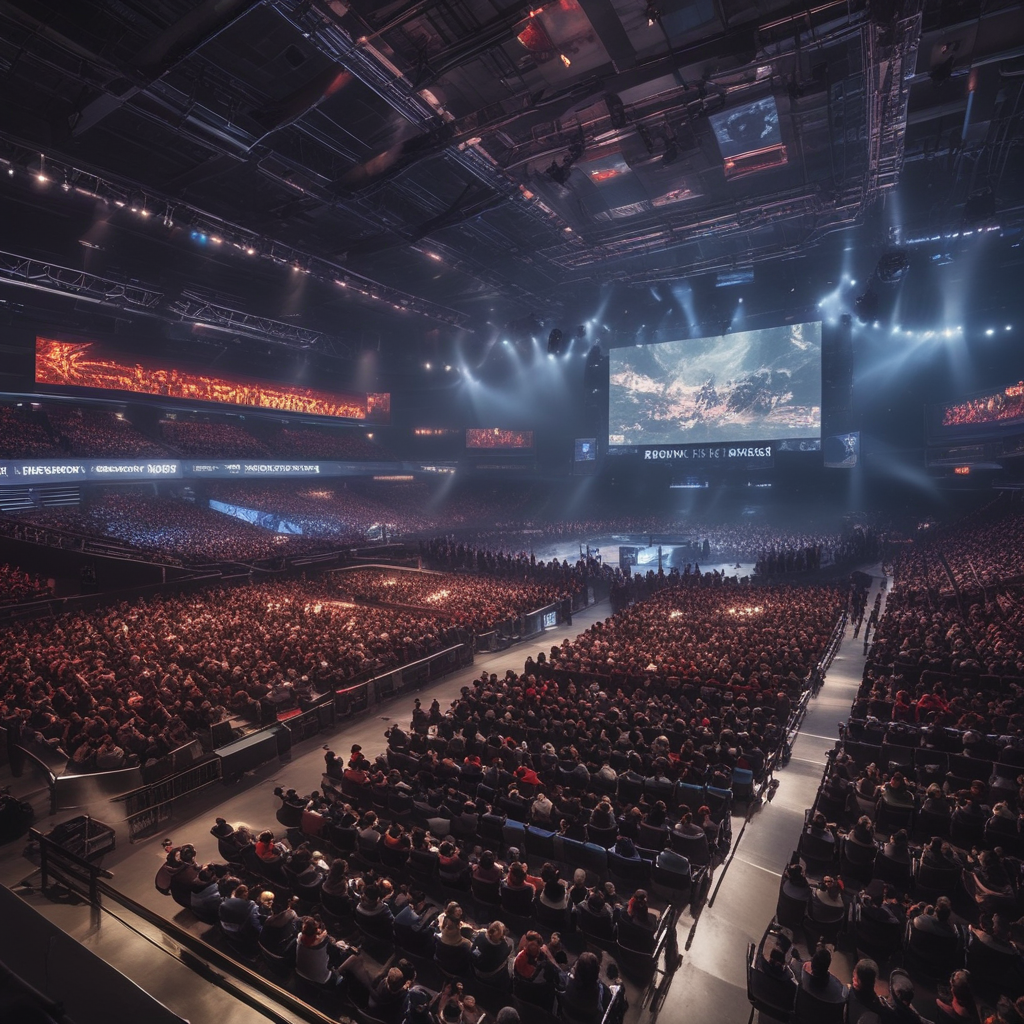
Imagine if the next major diplomatic breakthrough didn’t happen in a boardroom or at a summit, but during a heated League of Legends match between teenagers from different continents. This isn’t science fiction—it’s happening right now as esports culture diplomacy transforms how nations interact on the global stage.
The Billion-Dollar Gaming Revolution That Changed Everything
What started as casual competitions in basements and gaming cafes has exploded into a multi-billion-dollar industry that now rivals traditional sports in both viewership and cultural influence. Esports has evolved from a basement hobby to a multi-billion-dollar industry that commands the attention of millions worldwide.
The numbers are staggering: modern esports tournaments fill stadiums that once hosted Olympic ceremonies, complete with elaborate stage designs, light shows, and cultural performances that showcase national identity alongside competitive gaming. These aren’t just gaming events—they’re cultural spectacles that demonstrate soft power on an unprecedented scale.
From LAN Parties to Global Stages
The transformation accelerated dramatically with online streaming platforms like YouTube and Twitch in the late 2000s. This surge in participation by professional gamers and spectators transformed esports into a major industry by the 2010s, creating a new form of cultural exchange that transcends traditional boundaries.
How Governments Discovered Gaming’s Diplomatic Superpowers
Recognizing the massive reach and influence of gaming cultural exchange, governments worldwide have begun leveraging esports as a tool for international engagement. Unlike traditional diplomacy that often feels distant and formal, gaming offers something revolutionary: persistent, interactive engagement with digital-native generations.
Esports offers governments persistent, globally accessible, and youth-oriented engagement, particularly effective as global demographics shift toward younger audiences who are increasingly skeptical of traditional media and governmental messaging.
The Digital Native Advantage
- Interactive engagement: Unlike films or music, gaming provides two-way cultural connection
- Youth appeal: Reaches demographics that traditional diplomacy often misses
- Cultural subtlety: Soft power delivery without obvious political messaging
- Global accessibility: Transcends geographical and language barriers
China’s Strategic Cultural Conquest Through Controllers
Perhaps no country has mastered gaming soft power quite like China. The nation has strategically incorporated traditional Chinese cultural elements into globally consumed games, creating an unprecedented soft-power footprint that reaches millions of international players daily.
Chinese games like Honor of Kings and Black Myth: Wukong incorporate traditional Chinese cultural elements (myth, history, aesthetics) into globally consumed games, exposing international audiences to Chinese culture in an entertaining, non-political context.
The RedNote Gaming Bridge
A fascinating example emerged recently with the ‘TikTok refugees’ phenomenon, where users migrated to RedNote and discovered shared gaming experiences that created unexpected diplomatic bridges. Spontaneous exchanges on gaming platforms offered glimpses into flourishing rapport between different nationalities, shaped by fun trends and playful interactions that transcend political divides.
Beyond Traditional Sports: The New Soft Power Playbook
Esports international relations operates fundamentally differently from traditional cultural diplomacy. Where conventional soft power tools like films or sporting events offer one-time exposure, gaming creates ongoing relationships and communities that persist long after tournaments end.
The visual spectacle alone rivals Olympic ceremonies, but the real power lies in the persistent communities that form around games. Players from different countries collaborate, compete, and communicate daily, creating cultural understanding that no traditional diplomatic program could replicate.
Educational Integration and Career Pathways
Higher education institutions are now offering esports degrees, scholarships, and research opportunities, preparing students for careers that bridge gaming, media, and international relations. This institutional recognition legitimizes gaming as a serious field of study and career path.
Regional Differences Shape Global Gaming Culture
The power of digital diplomacy through gaming becomes even more apparent when examining regional differences. The Asia-Pacific region, particularly China and South Korea, has a deeply ingrained esports culture that differs significantly from North American and European approaches.
These cultural differences create opportunities for mutual learning and exchange. Western audiences experience Asian gaming philosophies and strategies, while Asian players engage with Western game design principles and community management approaches.
The Universal Gaming Language
Gaming serves as a universal language that transcends traditional geographic and political boundaries. A Korean StarCraft player, an American Fortnite streamer, and a Brazilian Counter-Strike team can communicate effectively through their shared understanding of gaming mechanics, strategies, and culture—even without speaking the same language.
The Future of International Relations in the Gaming Age
As expert Paul Quigley notes, “Social media didn’t just reflect culture in 2025—it created it,” and this principle applies perfectly to how esports culture diplomacy is reshaping international perceptions and relationships.
The implications extend far beyond entertainment. Governments are beginning to recognize that the teenagers playing games today will be tomorrow’s diplomats, business leaders, and policy makers—and their global perspectives are being shaped right now through gaming interactions.
Traditional sports venues are being repurposed for esports events, with some stadiums now hosting gaming competitions that draw larger crowds than conventional sporting events. This physical transformation of spaces reflects the broader cultural shift occurring in how we think about competition, entertainment, and international engagement.
The future of diplomacy isn’t being written in conference rooms—it’s being coded into games and played out on screens around the world. As gaming continues to evolve and expand its global reach, its role in shaping international relations will only grow more significant, creating connections and understanding in ways that traditional diplomacy never could.


You may like

Why Your City’s Name Isn’t What You Think – The Hidden Truth Revealed

304 Million People Send $800 Billion Home – The Hidden Economy Reshaping Nations

Award Shows’ Secret Power Over Your Choices Will Shock You

10 Hidden Global Events of 2025 That Will Change Your Future

How Street Art Secretly Rewires Your Brain and Transforms Cities


Nations Are Secretly Choosing Sides in Energy War That Changes Everything
Culture
Film Scores Shape Your Memories More Than You Ever Imagined
Discover how movie soundtracks secretly manipulate cultural memory and emotions through hidden psychological techniques that composers use worldwide.
Published
2 weeks agoon
February 18, 2026
Have you ever heard a few notes of music and instantly felt transported to the Wild West, even though you’ve never been there? That’s not coincidence—it’s psychological manipulation at its finest. Film scores cultural impact extends far beyond entertainment, quietly reshaping how entire generations perceive history, culture, and even their own memories through carefully crafted sonic associations.
The Morricone Method: How One Composer Rewrote Western Culture
Ennio Morricone didn’t just write music for spaghetti westerns—he created an entirely new cultural language. For “The Good, The Bad, and The Ugly,” Morricone combined post-tonal music theory with Celtic songs, Gregorian chants, and mariachi trumpets to forge what we now consider the definitive “Wild West” sound.
The genius lies in this musical alchemy. By blending diverse cultural elements, Morricone tapped into deep psychological associations that audiences didn’t even realize they possessed. According to film music research, this technique of drawing from worldly influences allows scores to cement themselves into popular culture in ways that pure innovation cannot.
The Psychology Behind Musical Memory
Why does this work so effectively? Movie music psychology reveals that our brains form powerful connections between sound and visual imagery. When composers use familiar musical elements from various cultures, they create instant emotional shortcuts. These shortcuts become so powerful that:
- Hearing mariachi trumpets immediately evokes dusty desert landscapes
- Celtic melodies trigger feelings of ancient mysticism
- Gregorian chants add gravitas and timeless weight
- The combination creates “false memories” of experiences we’ve never had
Modern Musical Time Travel: The 2026 Revival Effect
This cultural memory-making isn’t stuck in the past. Music nostalgia trends in 2026 show a fascinating revival of 1950s vintage sounds and Japanese Neo City Pop, largely driven by their appearances in contemporary films and streaming content.
Current music industry analysis reveals that content creators are deliberately choosing these sounds because they feel “immersive, intentional, and dramatically more engaging through hybrid sounds and nostalgic revivals.”
The Sonic Time Machine Effect
Here’s where it gets really interesting: film soundtrack influence is creating nostalgic connections to eras most audiences never experienced firsthand. Young people hearing 1950s-inspired scores in modern films develop emotional attachments to a decade they know only through media representation.
This phenomenon works through several mechanisms:
- Cultural DNA: Musical patterns carry embedded cultural information
- Emotional Priming: Certain chord progressions trigger universal emotional responses
- Collective Memory: Shared musical experiences create group identity
- Temporal Displacement: Music can make past eras feel personally relevant
The Social Media Amplification Chamber
Digital platforms have transformed how cinematic cultural memory spreads through society. Popular culture research shows that social media platforms now create active movements to defend and promote subjects featured in films, dramatically accelerating the cultural penetration of film music.
TikTok trends, Instagram reels, and YouTube covers turn movie soundtracks into viral phenomena within hours. A single film score can now reach billions of people and influence their cultural perceptions faster than ever before in human history.
The Global Cultural Homogenization
This rapid spread creates both opportunities and concerns. While film scores can introduce audiences to diverse musical traditions, they also risk oversimplifying complex cultures into digestible sonic stereotypes. The line between cultural appreciation and appropriation becomes increasingly blurred when Ennio Morricone techniques inspire countless imitators who may lack his deep understanding of the source materials.
Neuroscience Meets Cinema: Why Our Brains Can’t Resist
Recent neuroscientific research explains why film scores wield such powerful influence over our cultural memories. Our brains process music and emotion in interconnected regions, meaning that musical experiences become deeply embedded in our memory networks.
Contemporary cultural analysis demonstrates that film music creators understand these neural pathways and deliberately design scores to maximize emotional impact and memorability.
The Composer’s Toolkit for Cultural Manipulation
Professional film composers employ specific techniques to shape cultural perception:
- Leitmotif Layering: Associating specific melodies with cultural concepts
- Harmonic Anchoring: Using familiar chord progressions to establish emotional safety
- Rhythmic Coding: Embedding cultural rhythms to trigger subconscious recognition
- Timbral Painting: Choosing instruments that carry cultural baggage
The Future of Cultural Memory-Making
As we look ahead, film scores cultural impact will only intensify. Virtual reality, augmented reality, and immersive media experiences will create even more powerful associations between music and memory. Artificial intelligence is already being used to analyze which musical combinations create the strongest emotional responses in different cultural groups.
The implications are profound: future generations’ understanding of history, culture, and even reality itself will be increasingly shaped by the musical choices made in entertainment media. Industry forecasts suggest that hybrid sounds and nostalgic revivals will continue dominating because they create the strongest psychological connections with audiences.
Perhaps most remarkably, we’re all unconscious participants in this grand experiment of cultural memory-making. Every time we hear a film score and feel transported to another time or place, we’re experiencing the hidden power of music to shape not just our emotions, but our very understanding of the world around us. The next time you watch a movie, listen carefully—you might just hear the sound of culture being created in real time.
Culture
The Hidden Message Behind Every :) That Changed Communication Forever
Discover how simple keyboard symbols became a universal language that transformed digital communication and created the foundation of internet culture worldwide.
Published
2 weeks agoon
February 17, 2026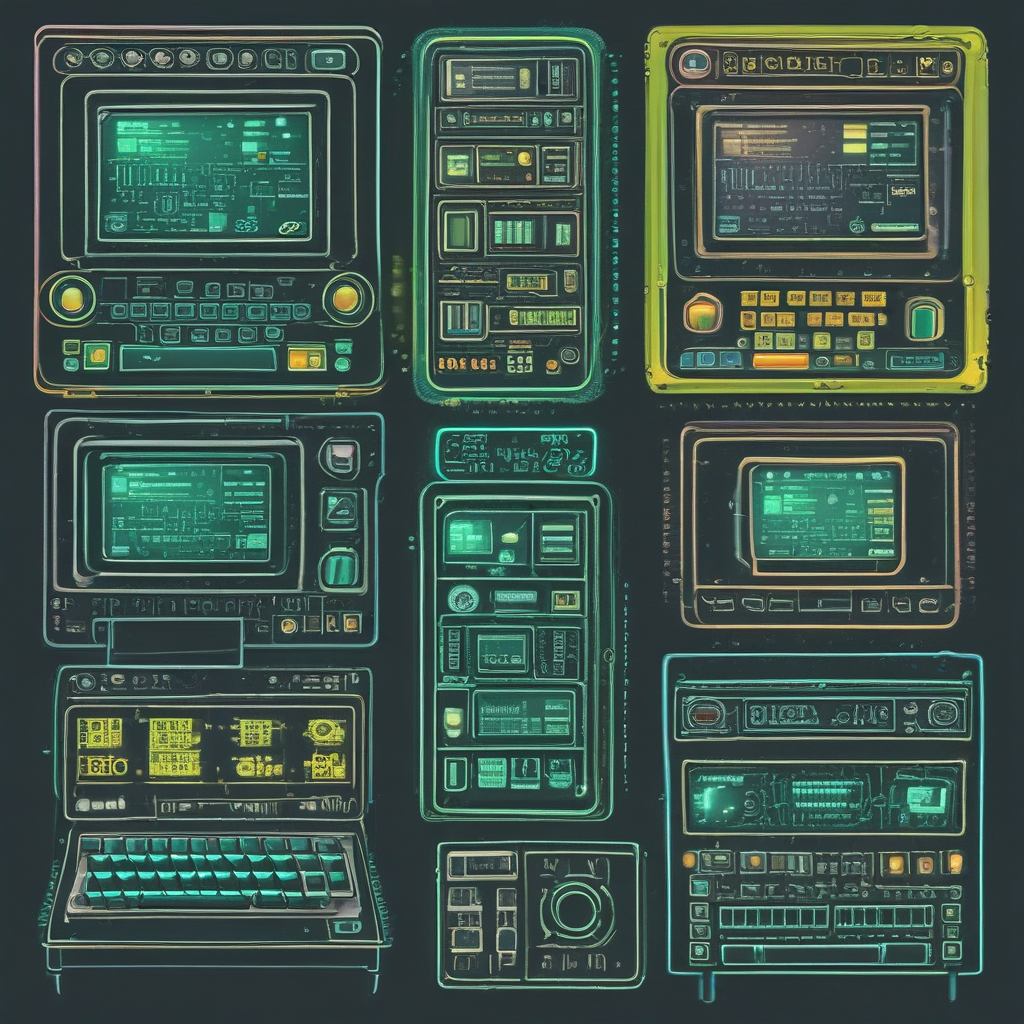
What if we told you that a simple combination of a colon and parenthesis fundamentally changed how humans communicate across the globe? The humble emoticon, born from basic keyboard characters, has evolved into something far more powerful than anyone could have imagined – a universal language of emotion that transcends cultural barriers and has become the DNA of internet culture itself.
From ASCII Characters to Emotional Revolution
The journey of emoticon culture began in the early days of computing when digital communicators faced a critical problem: how do you convey tone and emotion through plain text? The solution came from creative minds who discovered that everyday punctuation marks could be arranged to represent human expressions.
ASCII art evolution started with simple combinations like 🙂 for happiness and 🙁 for sadness, but quickly expanded into more sophisticated expressions. According to comprehensive emoticon documentation, these symbols evolved from basic keyboard characters into complex Unicode symbols, representing a fundamental shift in digital expression.
The Mathematical Foundation of Emotion
Interestingly, many emoticons incorporate mathematical symbols that have centuries of history. The equals sign (=), which forms the base of expressions like =), dates back to the 1560s as a mathematical symbol. This repurposing of ancient notation for emotional expression demonstrates how digital communication history builds upon established symbolic systems.
The Psychology Behind Punctuation Power
Why does a simple (._.) emoticon immediately convey sadness or boredom to millions of people worldwide? The answer lies in how our brains process visual patterns and associate them with facial expressions. Research into text-based emotions reveals that these character combinations trigger the same neural pathways as seeing actual human faces.
- Visual Recognition: Our brains interpret the dots as eyes and the underscore as a downturned mouth
- Emotional Processing: This creates an immediate emotional response similar to seeing a sad face
- Cultural Learning: Through repeated exposure, these associations become deeply ingrained
- Universal Appeal: Basic facial expressions translate across most cultures
The power of emoticons lies in their ability to bridge the gap between digital text and human emotion, creating what researchers call “digital empathy.”
Building Bridges Across Digital Communities
Internet meme culture and emoticons work hand-in-hand to create what experts call participatory culture. According to research on internet phenomena, these digital expressions enable collective meaning-making across diverse communities, functioning as a form of digital social bonding.
The Democratization of Visual Communication
Before emoticons, creating visual communication required artistic skill or expensive design software. Emoticons changed this completely by giving everyone access to expressive tools using nothing more than a standard keyboard. This democratization has had profound implications:
- Accessibility: Anyone with basic typing skills can create emotional expressions
- Speed: Emoticons can be typed faster than descriptive text
- Universality: Basic emotions translate across language barriers
- Creativity: Users continuously invent new combinations and meanings
The result is a constantly evolving participatory culture where users collectively create and refine the meaning of digital expressions.
Cultural Variations in Digital Expression
While emoticons provide universal communication tools, different cultures have developed unique styles that reflect their communication norms. Eastern emoticons, for example, often focus on the eyes rather than the mouth (^_^), while Western emoticons typically emphasize the mouth shape (:D).
These cultural variations demonstrate how digital communities adapt universal tools to reflect local communication preferences, creating rich subcultural expressions within the broader emoticon ecosystem.
The Evolution Continues
Modern Unicode symbols have expanded the emoticon vocabulary exponentially, but the core principle remains the same: simple character combinations that convey complex human emotions. From the basic 🙂 to elaborate kaomoji like ¯\_(ツ)_/¯, each generation of digital communicators builds upon the foundation laid by early ASCII art pioneers.
The Lasting Impact on Digital Relationships
Today’s social media platforms, messaging apps, and digital communication tools all trace their expressive capabilities back to those early emoticon innovations. The influence extends far beyond simple smiley faces:
- Emoji Evolution: Modern emojis are direct descendants of text-based emoticons
- Tone Indication: Emoticons help prevent misunderstandings in digital communication
- Community Building: Shared emoticon usage creates in-group identity
- Emotional Intelligence: Using appropriate emoticons requires understanding context and audience
Studies of emoticon usage show that people who effectively use these digital expressions tend to build stronger online relationships and experience fewer communication conflicts.
More Than Symbols: The DNA of Internet Culture
Emoticons represent far more than cute additions to text messages – they’re fundamental building blocks of how we communicate in the digital age. They’ve taught us that meaning can emerge from collective usage, that simple tools can have profound impacts, and that human creativity finds expression even within the constraints of keyboard characters.
As we move forward into an increasingly digital world, the lessons learned from emoticon culture continue to influence how we design communication tools, build online communities, and express ourselves across digital platforms. The next time you type a simple :), remember that you’re participating in one of the most successful communication revolutions in human history – one that started with nothing more than creative punctuation and became a universal language of human connection.
Culture
The Secret Code Every Internet User Knows But Never Learned
Discover how internet communities created unspoken rules and hidden rituals that shaped modern digital culture – the invisible language we all speak.
Published
2 weeks agoon
February 16, 2026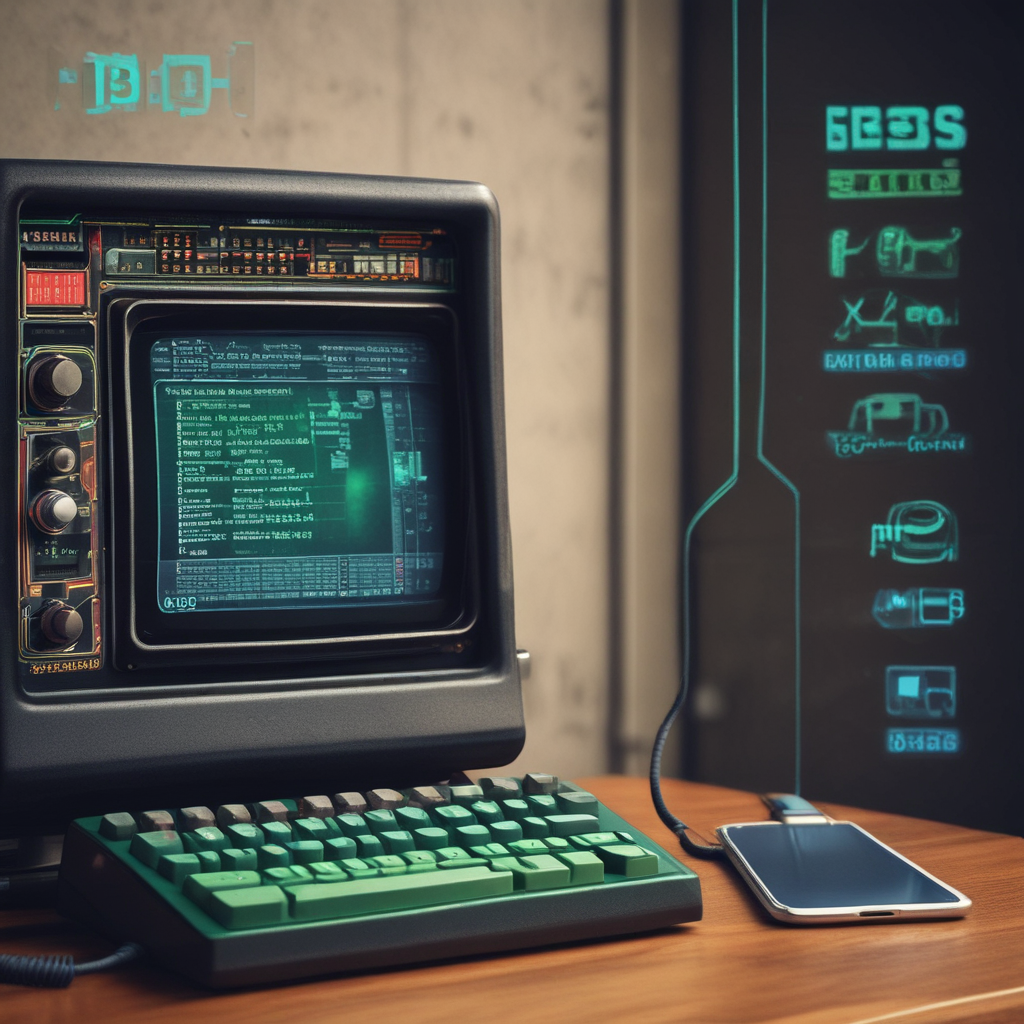
Ever wonder how you instinctively knew not to TYPE IN ALL CAPS on the internet? Or why you understand that three dots… mean something different than a period? Welcome to the fascinating world of digital culture evolution – a hidden language system that billions of people navigate daily without ever receiving formal instruction.
From the humble beginnings of 1970s bulletin board systems to today’s algorithm-driven social media landscape, internet communities have organically developed their own complex web of unspoken rules, rituals, and social norms. These invisible guidelines govern everything from how we argue online to why certain memes go viral while others disappear into digital obscurity.
The Genesis Era: When Digital Culture Was Born
Long before Facebook or Twitter existed, pioneering digital communities on bulletin board systems (BBS), Usenet, and Internet Relay Chat (IRC) were laying the groundwork for modern internet culture. From the 1970s through the 1990s, these text-based platforms became laboratories for social experimentation.
The Foundation of Digital Identity
These early communities established several revolutionary concepts that we take for granted today:
- Pseudonymous identity: Users could reinvent themselves behind screen names
- Technical reputation systems: Status based on knowledge rather than traditional social markers
- Volunteer governance: Community moderation by dedicated users
- Digital etiquette: The birth of “netiquette” and online social norms
According to research on internet culture development, these foundational elements created the invisible backbone that still influences how we interact online today. The pseudonymous nature of early internet culture allowed people to experiment with identity and expression in ways that weren’t possible in face-to-face interactions.
The Great Translation: From Forums to Social Media
As the internet evolved from niche technical communities to mainstream social platforms, something remarkable happened – the unspoken rules developed by early adopters were unconsciously passed down and adapted to new environments.
The Evolution of Digital Language
Consider how these early internet innovations transformed:
- Emoticons to Emojis: The simple 🙂 evolved into thousands of expressive symbols
- Forum signatures to bio links: Personal branding moved from forum footers to social media profiles
- Moderator privileges to platform algorithms: Human governance partially replaced by AI content curation
- Trolling culture to meme culture: Disruptive behavior evolved into creative expression
Today, 90% of consumers rely on social media to keep up with trends and cultural moments, according to Sprout Social’s marketing research. This represents a massive shift from the technical expertise once required to participate in digital culture.
The Algorithm Revolution: Fragmenting Digital Culture
Modern digital culture evolution has entered a new phase entirely. Where early internet culture was unified by shared technical barriers and common platforms, today’s landscape is increasingly fragmented into micro-communities and niche aesthetics.
The Rise of Micro-Communities
Research reveals that “Gen Z Fashion is no longer one unified trend cycle. Instead, it is a collection of micro-communities and niche aesthetics, each with its own influencers, values, and styling norms,” according to behavioral trend analysis. This pattern extends far beyond fashion into every aspect of digital culture.
Algorithm-driven platforms create personalized cultural bubbles where:
- Individual users experience unique content streams
- Niche communities develop highly specific languages and norms
- Viral content spreads through unpredictable pathways
- Cultural influence becomes democratized yet concentrated
The Hidden Power Dynamics of Digital Culture
Behind the apparent democracy of internet culture lies a complex web of power structures that most users never see. Understanding these invisible forces is crucial for navigating modern digital spaces effectively.
Who Really Controls Digital Norms?
Academic research from the Universitas Gadjah Mada reveals that “discourse in digital spaces can become hegemonic for certain groups when it intersects with fragmented desires and power relations. Meanings circulating on social media are never singular or stable; instead, they are continuously produced and contested by various interests.”
This means that what appears to be organic cultural evolution is actually shaped by:
- Platform algorithms that amplify certain content types
- Volunteer moderators who enforce community standards
- Influential users who set trends and norms
- Corporate interests that fund and design platforms
- Invisible technical infrastructure that determines what’s possible
The Reputation Economy
Early internet culture’s emphasis on technical reputation has evolved into today’s complex social media metrics. Followers, likes, shares, and engagement rates have become the new currency of digital status, creating entire economies around attention and influence.
Navigating the Future of Internet Community Norms
As digital culture evolution accelerates, understanding these hidden dynamics becomes increasingly important. The internet’s transformation from a technical tool to a primary social environment means that digital literacy now includes cultural competency across multiple platforms and communities.
The unspoken rules that govern our online interactions continue to evolve, shaped by technological capabilities, generational changes, and global events. What remains constant is the human need to create meaning, establish social bonds, and develop shared understanding – even in digital spaces.
The next time you instinctively know how to behave in a new online community, remember that you’re participating in a decades-long experiment in human social organization. The internet community norms we follow today are the result of millions of individual interactions, countless small innovations, and the collective wisdom of digital pioneers who built the invisible social infrastructure we now take for granted.


Trending

 Global News2 months ago
Hidden Economic Warfare: How Climate Deals Secretly Control Global Trade
 Historical Figures3 months ago
7 Anonymous Heroes Who Changed History Forever – 3 Will Shock You

 Art & Design3 months ago
Ancient Potters’ 3,500-Year-Old Chemistry Secret That Still Baffles Scientists
 Art & Design3 months ago
Scientists Just Discovered What Renaissance Artists Knew All Along – It Changes Everything
 Fun Facts3 months ago
Scientists Just Discovered Space Isn’t Silent – The Sounds Will Shock You

 News & World3 months ago
Urban Explorers’ Most Terrifying Encounters in ‘Empty’ Buildings
 Global News4 months ago
Undefined Behavior Programming: The Hidden Digital Threat
 Historical Figures3 months ago
7 Unknown Historical Figures Who Secretly Changed the World