
Animals
12 Animal Superpowers That Put Marvel Heroes to Shame
From electric eels generating 860 volts to geckos with night vision 350x better than humans – these real animal abilities make superheroes look ordinary.

Published
11 months agoon
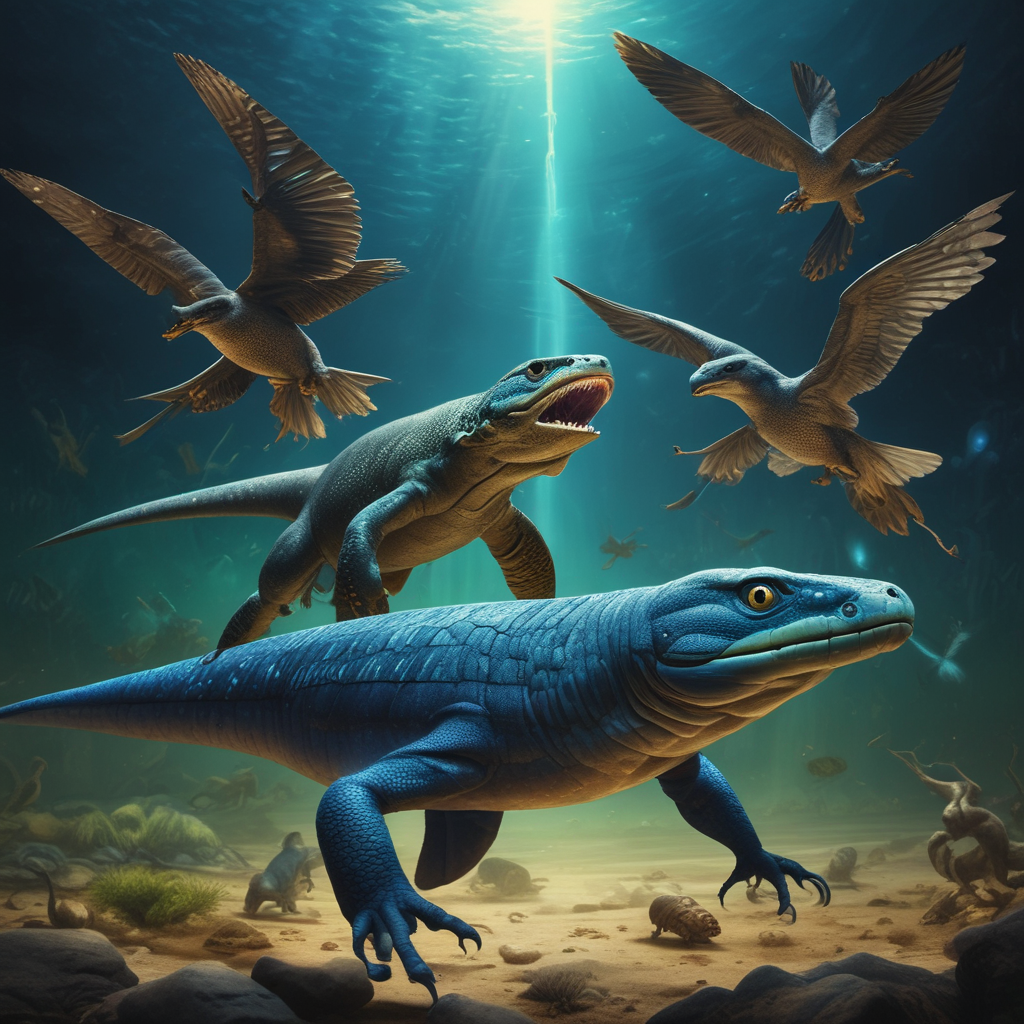
What if I told you that right now, creatures living on our planet possess abilities that would make Spider-Man, Superman, and the entire Marvel universe look like amateurs? While we marvel at fictional superheroes, the real animals with superpowers are thriving in oceans, forests, and even our backyards, wielding incredible abilities that defy imagination.
From generating enough electricity to power a small appliance to seeing colors invisible to human eyes, these remarkable creatures have spent millions of years perfecting abilities that put comic book heroes to shame. Prepare to discover the most extraordinary animal abilities that prove nature is the ultimate superhero creator.
Electrical Powers That Would Make Thor Jealous
When it comes to wielding electricity, no fictional superhero can match the raw power of nature’s own electrical generators.
Electric Eels: Living Lightning Bolts
The electric eel doesn’t just generate a mild shock – it’s a living powerhouse capable of producing up to 860 volts of electricity. To put this in perspective, that’s enough juice to power a television or knock a horse unconscious. These incredible creatures use specialized cells called electrocytes that act like biological batteries, stacking their electrical charge for maximum impact.
What makes this even more impressive is that electric eels can control their electrical output, using low-voltage pulses for navigation and communication, then ramping up to full power when hunting or defending themselves.
Sharks: Nature’s Living Metal Detectors
Sharks possess an electrical sense so refined they can detect the tiny electrical fields generated by a fish’s gills from several feet away. Their ampullae of Lorenzini – jelly-filled canals in their snouts – can sense electrical fields as weak as 5 billionths of a volt. This extraordinary animal power makes them the ultimate predators, capable of hunting even in complete darkness.
Vision Superpowers Beyond Human Comprehension
While Superman has X-ray vision, real animals have evolved sight abilities that are far more practical and impressive.
Dragonflies: The Ultimate Visual Processors
Forget compound superhero vision – dragonflies have more than 28,000 lenses per compound eye, giving them nearly 360-degree vision. These aerial hunters can track multiple moving objects simultaneously and have a 95% hunting success rate, making them more efficient predators than sharks, lions, or any fictional superhero.
Geckos: Masters of Night Vision
When darkness falls, nocturnal geckos become visual superheroes. Their eyes are 350 times more sensitive to color at night than human eyes. While we struggle to see in dim light, geckos can distinguish colors and hunt with precision in conditions that would leave us completely blind.
Reindeer: UV Vision Champions
Reindeer possess the ability to see ultraviolet light, allowing them to spot predators and food sources invisible to most other animals. This UV vision helps them navigate the harsh Arctic landscape where traditional visual cues are often absent.
Physical Abilities That Defy Physics
Real animals routinely perform feats that would challenge the laws of physics in the superhero world.
Peregrine Falcons: Faster Than Any Superhero
The peregrine falcon holds the title of fastest animal on Earth, capable of diving at speeds exceeding 240 mph. This incredible speed allows them to strike prey with the force of a small missile. No superhero has consistently demonstrated such extreme velocity while maintaining perfect control and precision.
Octopuses: Shape-Shifting Masters
While Mystique can change her appearance, octopuses are the real shape-shifting champions. They can alter not just their color, but their skin texture, body shape, and even behavior to perfectly mimic other sea creatures. Some species can impersonate flatfish, lionfish, and even sea snakes with stunning accuracy.
Honey Badgers: Fearless and Nearly Indestructible
The honey badger’s superpower isn’t flashy – it’s pure, unstoppable courage combined with incredible durability. These small mammals routinely take on lions, cobras, and other dangerous predators. Their thick, loose skin allows them to twist around and attack even when grabbed by a predator, while their resistance to venom makes them nearly immune to snake bites.
Regeneration Powers That Surpass Wolverine
While Wolverine’s healing factor is impressive in fiction, real animals have mastered regeneration in ways that seem impossible.
Starfish: Ultimate Regeneration Champions
Starfish don’t just heal wounds – they can regenerate entire body parts. Lose an arm? No problem. Some species can even regenerate their entire body from a single arm, provided it contains part of the central disc. This level of regeneration makes Wolverine’s abilities look modest by comparison.
Three-Toed Sloths: Rapid Healing Specialists
Despite their reputation for being slow, sloths possess remarkable healing abilities. They can recover from injuries that would be fatal to other mammals, and their unique metabolism helps them heal efficiently while conserving energy.
Salamanders: Limb Replacement Experts
Salamanders can regenerate not just limbs, but also tails, organs, and even parts of their brain and heart. Unlike scar tissue formation in humans, salamander regeneration creates perfect replicas of the original body part, complete with bones, muscles, nerves, and blood vessels.
Sensory Superpowers Beyond Imagination
The most impressive animal kingdom abilities often involve senses that humans can barely comprehend.
Bats: Echolocation Masters
Bats navigate and hunt using biological sonar that’s more sophisticated than any human technology. They emit high-frequency sounds and interpret the echoes to create detailed 3D maps of their environment. Some bats can distinguish between objects that differ by less than the width of a human hair.
Elephants: Seismic Communication Network
Elephants communicate through infrasonic calls that travel through the ground as seismic waves. They can detect these vibrations through their feet and trunks, allowing them to communicate with other elephants over distances of several miles. This creates a natural communication network that spans vast areas of habitat.
Lyrebirds: Ultimate Mimicry Artists
The lyrebird’s vocal abilities surpass any superhero’s voice manipulation powers. These remarkable birds can perfectly mimic chainsaws, camera shutters, car alarms, and dozens of other bird species. Their syrinx (vocal organ) is so sophisticated they can produce two different sounds simultaneously.
Venom and Chemical Warfare
Some animals wield chemical superpowers that would make any villain envious.
Shrews: Venomous Paralyzing Agents
Several shrew species produce venom that paralyzes their prey without killing them. These tiny mammals create living food storage by keeping paralyzed prey alive but immobilized in their burrows, ensuring fresh meals when needed.
Bombardier Beetles: Chemical Explosion Experts
Bombardier beetles combine two chemicals in their abdomen to create a boiling, explosive spray that reaches temperatures of 212°F. This chemical reaction happens in milliseconds and can be aimed with remarkable precision at threats.
The Technology Inspired by Animal Superpowers
These incredible nature superpowers aren’t just fascinating – they’re inspiring revolutionary technologies. Gecko feet have led to new adhesives, shark skin has improved swimsuit design, and echolocation research is advancing sonar technology. Scientists continue studying electric eels to develop new bio-inspired electrical systems.
The next time you watch a superhero movie, remember that the most incredible powers aren’t found in comic books or on movie screens. They’re living, breathing, and thriving all around us in the natural world. These real-life superheroes have been perfecting their abilities for millions of years, creating a spectacular showcase of evolution’s creativity that puts any fictional universe to shame. From the depths of the ocean to the canopies of forests, animals with superpowers continue to amaze, inspire, and humble us with abilities that seem to defy the very laws of nature itself.

You may like


Why Millions of Animals Never Make a Sound – Their Secret Language

Your Body’s Hidden Army of 4,000 Species Controls Your Mind

Nature’s Living Flashlights Defy Logic With Ancient Light Magic


What Water Temperature Actually Does to Your Body Will Surprise You

3 Billion Years of Nature’s Secrets Lost Forever—What We Just Realized

These Animals Build Underground Cities That Last Longer Than Rome
Animals
Fossilized Poop Revealed Dinosaur Secrets History Got Wrong
Ancient animal droppings called coprolites rewrote everything we knew about dinosaur diets and prehistoric ecosystems. The discoveries will shock you.
Published
8 months agoon
February 19, 2026
Imagine discovering that everything you thought you knew about T. rex was wrong – not from finding bones, but from analyzing 65-million-year-old dinosaur droppings. This isn’t science fiction; it’s the revolutionary field of coprolites fossilized animal poop research that has completely transformed our understanding of ancient life on Earth.
What Are Coprolites and How Do They Form?
Coprolites are fossilized feces that have undergone a remarkable preservation process spanning millions of years. Unlike traditional fossils that show us what ancient creatures looked like, these petrified droppings reveal intimate details about what they ate, how they hunted, and how entire ecosystems functioned.
The Science Behind Fossilization
The formation of coprolites fossilized animal poop requires perfect conditions. When animal waste is rapidly buried in sedimentary environments, minerals gradually replace organic matter through a process called permineralization. This transformation preserves not just the shape, but microscopic details including:
- Undigested bone fragments from prey animals
- Plant material and pollen grains
- Parasite eggs and other microorganisms
- Seasonal dietary variations
Scientists classify coprolites as trace fossils because they provide evidence of animal behavior rather than physical appearance. According to paleontological research, these behavioral clues are often more valuable than skeletal remains for understanding ancient ecosystems.
The Revolutionary Discovery That Started It All
The scientific journey of coprolites began in 1829 when English geologist William Buckland made a groundbreaking discovery. For years, mysterious spiral-shaped objects found in Jurassic rocks were misidentified as “fossil fir cones” and “bezoar stones.”
Buckland’s Breakthrough Moment
Buckland’s keen observation skills led him to recognize these objects for what they truly were: fossilized predator droppings. His analysis revealed crushed fish scales and bones inside the specimens, providing the first direct evidence of ancient marine reptile diets. This discovery fundamentally changed how scientists approach paleontological research.
What makes this discovery even more remarkable is that it opened an entirely new window into prehistoric life. While skeletal fossils show us anatomy, coprolites fossilized animal poop reveals the dynamic relationships between predators and prey that existed millions of years ago.
Modern Detective Work: Unlocking Ancient Mysteries
Today’s paleontologists use sophisticated techniques that would amaze Buckland. Modern coprolite analysis combines multiple scientific disciplines to extract incredible detail from these ancient specimens.
Cutting-Edge Analysis Techniques
Contemporary scientists employ several advanced methods to study fossilized dung:
- Microscopy: Reveals microscopic plant and animal remains
- Chemical analysis: Identifies dietary proteins and mineral content
- CT scanning: Creates 3D images of internal structures
- Palynology: Studies ancient pollen to understand plant consumption
These techniques have revealed astonishing details. Scientists can now identify specific prey species consumed by dinosaur coprolites, determine seasonal feeding patterns, and even detect evidence of parasitic infections in creatures that lived over 100 million years ago.
The Parasite Connection
One of the most surprising discoveries involves ancient parasites preserved within coprolites. These findings provide direct evidence of predator-prey relationships and reveal that some parasitic species have remained virtually unchanged for millions of years.
Game-Changing Discoveries That Rewrote History
Several coprolite discoveries have fundamentally altered our understanding of prehistoric life, challenging long-held scientific assumptions about ancient animal diet and behavior.
The T. rex Revelation
Perhaps the most famous example involves Tyrannosaurus rex coprolites discovered in Saskatchewan, Canada. These massive specimens – some over 17 inches long – contained crushed Triceratops bone fragments. The discovery proved that T. rex could crack and digest large bones, suggesting more powerful jaw muscles than previously estimated.
More surprisingly, the coprolites revealed that T. rex was an opportunistic feeder, consuming both fresh kills and scavenged carcasses. This finding challenged the popular image of T. rex as purely an apex predator.
Herbivore Diet Complexity
Coprolites from herbivorous dinosaurs revealed equally surprising information. Analysis of Maiasaura coprolites showed these “duck-billed” dinosaurs consumed a much more varied diet than expected, including:
- Conifer needles and bark
- Ferns and cycads
- Flowering plant material
- Occasional small invertebrates
This dietary diversity suggests these dinosaurs were highly adaptable and could survive environmental changes better than previously thought.
Revealing Ancient Ecosystem Dynamics
Research on coprolites fossilized animal poop has revealed complex predator-prey relationships that mirror modern ecosystem patterns. According to recent ecological research, predators help regulate prey populations and maintain biodiversity – a relationship clearly documented in ancient coprolites.
Seasonal Feeding Patterns
Coprolite analysis has revealed that many extinct species exhibited seasonal dietary changes similar to modern animals. For example, some Cretaceous period coprolites show evidence of:
- Spring consumption of fresh plant growth
- Summer focus on protein-rich prey
- Fall preparation behaviors including increased fat consumption
These patterns suggest that extinct animals possessed sophisticated behavioral adaptations for surviving environmental changes.
Modern Applications and Conservation Insights
The study of trace fossils like coprolites isn’t just about understanding the past – it’s providing crucial insights for modern conservation efforts and climate change research.
Predicting Ecosystem Responses
By understanding how ancient ecosystems responded to environmental pressures through coprolite evidence, scientists can better predict how modern ecosystems might respond to climate change. Research shows that during periods of environmental stress, species extinction rates increased dramatically, with typical species becoming extinct within 10 million years of first appearance.
Conservation Applications
Modern conservation biologists use coprolite research to:
- Understand natural predator-prey ratios
- Identify keystone species in ancient ecosystems
- Predict how species might adapt to environmental changes
- Design more effective wildlife preservation strategies
This research is particularly relevant as current environmental changes occur at unprecedented speeds compared to most geological periods.
The Future of Coprolite Research
As technology advances, coprolites fossilized animal poop continues to yield new discoveries. DNA extraction techniques are improving, potentially allowing scientists to identify specific prey species and even ancient gut bacteria from well-preserved specimens.
Emerging Technologies
Future research directions include:
- Advanced genetic analysis of preserved organic compounds
- Artificial intelligence pattern recognition in coprolite contents
- Isotope analysis for migration pattern identification
- 3D modeling of ancient digestive processes
These technological advances promise even more detailed insights into ancient life and ecosystem dynamics.
Coprolites fossilized animal poop represents one of paleontology’s most valuable and surprising research tools. From William Buckland’s pioneering 1829 discovery to today’s high-tech analysis methods, these ancient droppings continue to revolutionize our understanding of prehistoric life. As we face modern environmental challenges, the lessons preserved in fossilized feces from millions of years ago provide crucial insights for conservation efforts and ecosystem management. The next time you visit a natural history museum, remember that some of the most important scientific discoveries came not from impressive skeletons, but from the humble remains of ancient bathroom breaks that somehow survived to tell their remarkable stories.
Animals
Dogs Make 56 Signals You Secretly Understand – Here’s Why
Your brain instinctively recognizes dozens of animal communication signals across species. Discover the hidden language connecting all wildlife.
Published
8 months agoon
February 17, 2026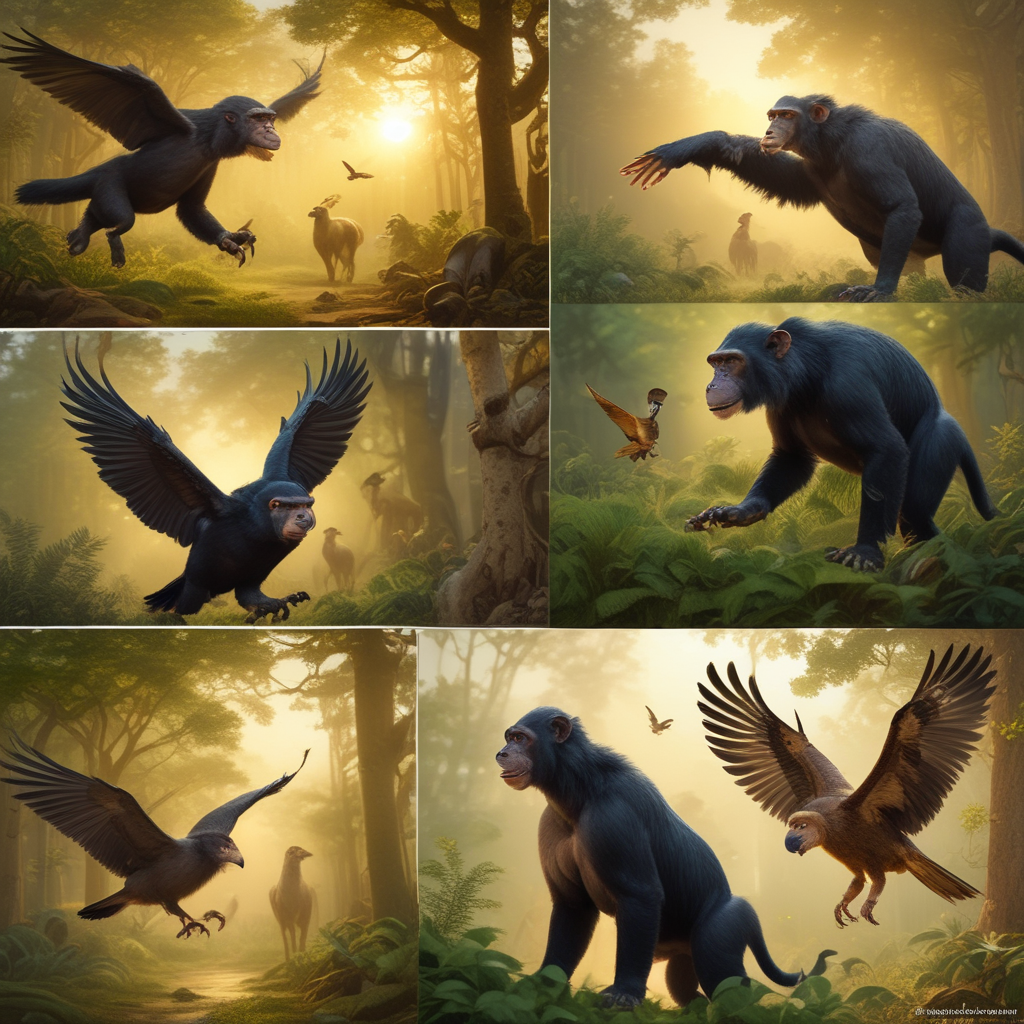
Right now, as you read this, your dog might be speaking to you in ways you never realized. Research reveals that humans can recognize an astounding 56 different signals that untrained dogs make – and that’s just the beginning. From the specialized regions in our brains that light up when hearing chimpanzee calls to the intricate networks of interspecies communication happening in your backyard, the secret languages of animals are far more sophisticated than we ever imagined.
The Hidden Conversations Happening Around Us
Every day, we’re surrounded by an invisible web of animal communication that operates on frequencies, chemicals, and signals our conscious minds barely register. Yet somehow, we understand more than we realize.
Stanley Coren’s groundbreaking research identified exactly what signals humans instinctively recognize from dogs:
- 10 distinct barks – each with different meanings
- 5 growls – from playful to warning
- 8 other vocalizations – whines, howls, and more
- 11 tail signals – position and movement patterns
- 5 ear and eye positions – emotional indicators
- 5 mouth signals – from panting to lip licking
- 12 body positions – posture and stance meanings
But here’s what’s truly remarkable: we understand these signals without any training. Our brains are hardwired for cross-species communication in ways that hint at ancient evolutionary connections.
Your Brain on Animal Languages
Recent neuroscience research has uncovered something extraordinary happening in our minds when we hear animal vocalizations. Scientists discovered specialized regions in the human auditory cortex that react distinctly to chimpanzee vocalizations.
The Ancient Connection
This isn’t coincidence – it’s evolution. Our brains maintained neural pathways specifically designed to process the calls of our closest primate relatives, suggesting that animal communication systems and human language share deeper roots than previously understood.
These specialized brain regions don’t just recognize chimp calls; they process them differently from other sounds, indicating that millions of years of shared ancestry left permanent imprints on how we decode vocal communication across species barriers.
Nature’s Complex Communication Networks
While we’re discovering our connections to animal languages, the animals themselves have been building sophisticated communication networks that span entire ecosystems.
The Social Complexity Ladder
Research on lemur societies reveals a fascinating pattern: as social groups become more complex, their communication systems expand exponentially. This isn’t limited to primates – it’s a universal principle across the animal kingdom.
- Simple societies: Basic alarm calls and mating signals
- Complex pack structures: Hierarchical communication with role-specific signals
- Eusocial insects: Chemical “languages” with hundreds of distinct messages
Chimpanzees demonstrate this complexity perfectly. When one spots a snake, it doesn’t just panic – it makes specific low rumbling noises that signal others to climb trees. This shows displacement communication, where animals can convey information about situations not immediately present.
The Interspecies Eavesdropping Network
Perhaps most fascinating is how different species have learned to “hack” into each other’s communication systems, creating vast information networks across ecosystems.
Nature’s Universal Translator
Bird alarm calls serve as a natural early warning system that extends far beyond their own species. When a jay spots a hawk and sounds the alarm, it’s not just warning other birds – squirrels, rabbits, and even deer have learned to recognize and respond to these signals.
This creates layered communication networks where:
- Predator movements trigger cascading alarm signals
- Different species contribute specialized detection abilities
- Information flows through ecosystems faster than any individual animal could travel
- Survival advantages compound across multiple species
The Chemical Conversations
Beyond vocalizations, animals communicate through complex chemical signals that we’re only beginning to understand. Ants lay chemical trails that contain detailed navigation instructions, danger warnings, and food source information – essentially creating chemical highways with built-in traffic reports.
What This Means for Human-Animal Relationships
Understanding these communication systems has profound implications for how we interact with animals, from our household pets to wildlife conservation efforts.
Better Pet Relationships
Recognizing that your dog’s communication repertoire includes 56 distinct signals means you can develop deeper, more meaningful relationships with your pets. That specific tail position or ear angle isn’t random – it’s your pet actively trying to communicate with you using an ancient language your brain is already equipped to understand.
Wildlife Conservation Impact
For conservationists, understanding animal communication networks reveals how habitat fragmentation doesn’t just separate individual animals – it breaks apart complex information systems that species depend on for survival. Protecting communication corridors becomes as important as protecting physical migration routes.
The Universal Language of Survival
The secret languages of animals reveal something profound about life on Earth: communication isn’t just human. It’s a fundamental force that connects all living beings through invisible threads of information, warning, cooperation, and survival.
From the 56 signals your dog uses to “speak” with you, to the specialized regions of your brain that recognize ancient primate calls, to the vast interspecies networks sharing survival information across ecosystems – we’re all part of a communication web that predates human civilization by millions of years. Understanding these hidden conversations doesn’t just help us connect better with animals; it reveals our own place in the intricate, interconnected language of life itself.
Animals
Why Deep Sea Creatures Grow to Monster Sizes Will Blow Your Mind
Discover the shocking science behind deep sea gigantism – how crushing darkness and extreme pressure create ocean giants that dwarf their shallow relatives.
Published
8 months agoon
February 16, 2026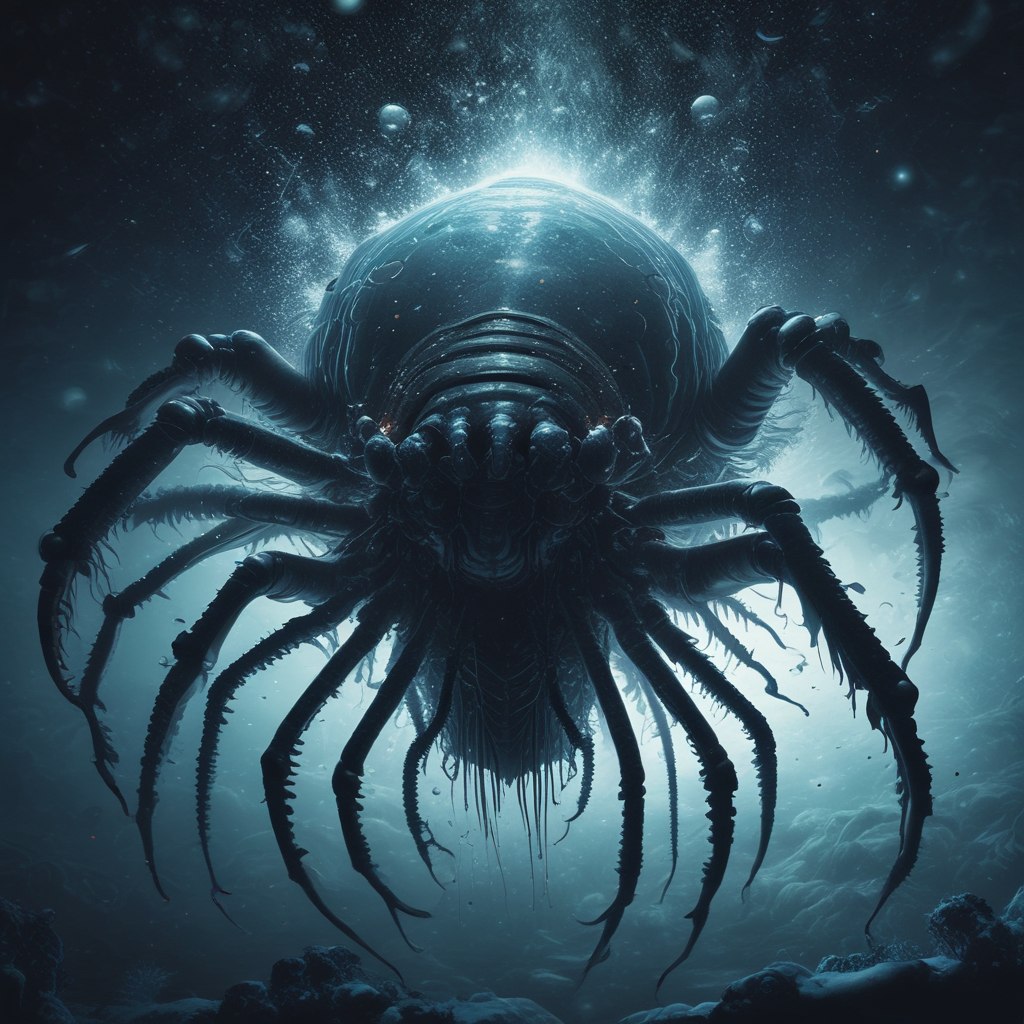
Imagine a pill bug the size of a small dog prowling the ocean floor, or a squid with eyes larger than dinner plates hunting in eternal darkness. Welcome to the bizarre world of deep sea gigantism, where creatures grow to monster proportions that would make their shallow-water cousins look like toys. In Earth’s abyss, where crushing pressure meets perpetual night, evolution has written rules that seem to defy logic.
The deep ocean covers an astounding 95% of Earth’s living space, yet remains largely unexplored. Down here, in conditions more extreme than the surface of Mars, nature has crafted some of the most alien-looking giants our planet has ever produced. But why do these creatures grow so enormous when logic suggests they should stay small to conserve energy?
The Alien Physics of Deep Sea Gigantism
The science behind deep sea gigantism reads like something from a science fiction novel, but it’s grounded in fascinating evolutionary biology. Unlike the warm, sunlit waters near the surface, the deep ocean operates under completely different rules that actually favor gigantic proportions.
Cold Temperatures Create Metabolic Advantages
In the bone-chilling waters of the abyss, where temperatures hover just above freezing, creatures experience dramatically slowed metabolic rates. This metabolic slowdown allows deep sea animals to:
- Use energy far more efficiently than their surface relatives
- Survive long periods without food by burning calories at a fraction of the rate
- Allocate more resources to growth rather than basic survival functions
- Live extraordinarily long lives – some deep sea clams have been recorded living over 507 years
Pressure and Cellular Adaptation
The crushing pressure of the deep ocean, which can exceed 1,000 times the pressure at sea level, affects cellular processes in unexpected ways. Rather than hindering growth, these extreme conditions have led to unique adaptations that support larger body sizes through specialized protein structures and cellular mechanisms that actually function more efficiently under pressure.
Meet the Ocean’s Most Spectacular Giants
The rogues’ gallery of deep sea giants reads like a collection of mythical beasts, yet these creatures are very real and continue to astound researchers with their incredible adaptations.
Giant Isopods: The Deep Sea’s Armored Titans
Perhaps no creature better illustrates deep sea gigantism than the giant isopod. While their land-dwelling pill bug cousins measure less than an inch, these armored giants can grow up to 20 inches long – roughly the size of a small dog. These ancient-looking creatures scavenge the ocean floor like underwater vultures, their massive size allowing them to tackle prey and carrion that smaller creatures couldn’t handle.
Colossal Squids and Their Dinner-Plate Eyes
The legendary colossal squid represents perhaps the most dramatic example of deep sea gigantism, with specimens reaching lengths of over 45 feet and possessing the largest eyes in the animal kingdom. These basketball-sized organs can detect the faintest traces of bioluminescence in the absolute darkness of the abyss, giving these giants a crucial advantage in their eternal hunt.
Surviving in Earth’s Most Hostile Environment
The deep ocean environment seems designed to test the limits of what life can endure. Yet rather than simply surviving, many creatures have learned to thrive by growing to magnificent proportions.
The Food Scarcity Paradox
Counterintuitively, the extreme food scarcity of the deep ocean actually promotes gigantism rather than hindering it. Marine snow – the constant shower of organic debris drifting down from surface waters – provides the primary food source for deep sea ecosystems. However, most organic components are consumed within the first 1,000 meters of their journey, leaving deep sea creatures to compete for limited resources.
Larger body size provides several survival advantages in this food-scarce environment:
- Enhanced hunting ability: Bigger predators can tackle larger prey and access food sources unavailable to smaller creatures
- Extended fasting capacity: Large body mass allows for longer periods between meals
- Competitive dominance: Size advantage in disputes over scarce food resources
- Energy storage: More space for storing nutrients during abundant periods
The Darkness Advantage
The perpetual darkness of the deep ocean eliminates many of the disadvantages typically associated with large body size. Without sunlight, there’s no need for the quick escape reflexes that smaller surface creatures rely on, and the energy cost of maintaining large size becomes manageable in the cold, pressure-rich environment.
Modern Exploration Reveals New Giants
Despite over 150 years of deep sea exploration, scientists estimate that we’ve explored less than 5% of our oceans. Recent technological advances continue to reveal new species of giants lurking in Earth’s final frontier.
The Challenger Legacy Continues
The groundbreaking work began with the 1870s Challenger expedition led by Sir Charles Wyville Thomson, which first discovered the diverse community of deep-sea creatures that challenged the prevailing assumption that life was sparse in the deep ocean. Today, advanced submersibles and remote operated vehicles continue this legacy of discovery.
Recent Discoveries That Rewrite the Rules
Modern deep sea exploration has revealed creatures that push the boundaries of gigantism even further:
- Massive tube worms near hydrothermal vents that can exceed 8 feet in length
- Giant amphipods in deep ocean trenches that dwarf their shallow-water relatives
- Enormous jellyfish with bells measuring over 6 feet across
- Colossal sea spiders with leg spans reaching over 2 feet
Each new discovery adds another piece to the puzzle of why deep sea creatures consistently evolve toward gigantic proportions while their surface relatives remain comparatively tiny.
The Benthic vs. Pelagic Giant Strategy
Deep sea creatures face a crucial evolutionary choice that influences their path toward gigantism. They must decide whether to live on the bottom at the benthic zone or brave the expansive open ocean of the pelagic midwater zone. Each environment has shaped giants in different ways:
- Benthic giants like giant isopods become heavily armored scavengers built for endurance
- Pelagic giants like colossal squids develop into efficient predators with enhanced sensory capabilities
The Mariana Trench: Ultimate Testing Ground
When the bathyscaphe Trieste descended to the bottom of the Mariana Trench at 10,911 meters (35,797 feet) in 1960, it reached the deepest known spot in any ocean. Even at these crushing depths, where pressure reaches over 1,000 times that at sea level, life not only survives but often grows to impressive sizes, demonstrating the remarkable adaptability that drives deep sea gigantism.
The Future of Deep Sea Giant Discovery
As technology advances and our ability to explore the deep ocean improves, scientists predict we’ll continue discovering new giants that challenge our understanding of life’s limits. The deep ocean remains our planet’s final frontier, holding secrets that could revolutionize our understanding of evolution, adaptation, and the incredible diversity of life on Earth.
The phenomenon of deep sea gigantism reminds us that our planet still harbors mysteries as profound as any found in outer space. In the crushing darkness of Earth’s abyss, where conditions seem impossible for complex life, evolution has crafted some of the most magnificent giants our world has ever known. Each new discovery brings us closer to understanding how life adapts to the most extreme environments – knowledge that may prove invaluable as we search for life beyond our own blue planet.


Trending

 Art & Design11 months ago
Ancient Potters’ 3,500-Year-Old Chemistry Secret That Still Baffles Scientists

 Historical Figures11 months ago
7 Anonymous Heroes Who Changed History Forever – 3 Will Shock You

 Global News10 months ago
Hidden Economic Warfare: How Climate Deals Secretly Control Global Trade

 Ancient History9 months ago
Ancient Incas Built Bridges From Grass That Armies Crossed – 600 Years Later They’re Still Standing

 Fun Facts11 months ago
Universe Size Comparisons That Will Blow Your Mind

 Ancient History9 months ago
Ancient Pyramid Workers Left 4,500-Year-Old Graffiti That Rewrites History

 Fun Facts11 months ago
Scientists Just Discovered Space Isn’t Silent – The Sounds Will Shock You

 News & World10 months ago
Urban Explorers’ Most Terrifying Encounters in ‘Empty’ Buildings