
Food & Drink
15 Beloved Dishes That Aren’t From Where You Think They Are
Discover the shocking truth about your favorite foods! From Chinese churros to Belgian French fries, these surprising food origins will change everything you know.

Published
11 months agoon
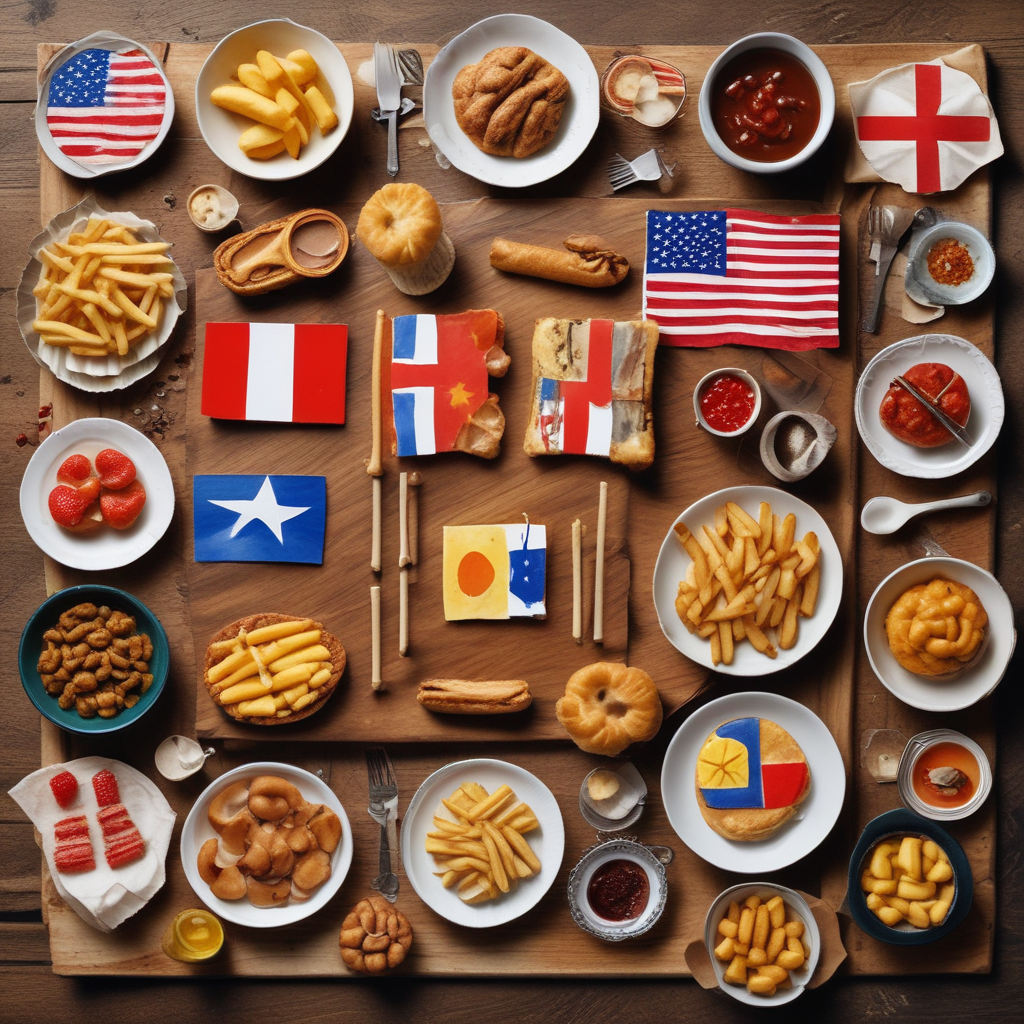
Imagine ordering “French” fries in Belgium and being corrected by locals, or discovering that your favorite “German” chocolate cake has absolutely nothing to do with Germany. The culinary world is built on beautiful lies – beloved dishes carrying names that tell completely false stories about their origins. What we think we know about food geography is about to be turned completely upside down.
The Great Culinary Mix-Up: How Trade Routes Created Food Confusion
Long before globalization made international cuisine commonplace, ancient trade routes were already shuffling recipes across continents like a massive culinary card game. The results? Some of the most surprising food origins that would make any geography teacher do a double-take.
Churros: China’s Sweet Export to Spain
Those crispy, cinnamon-dusted treats you associate with Spanish festivals? They actually originated in ancient China as “youtiao” – fried dough sticks that traveled west along the Silk Road. Chinese traders introduced this technique to Spanish cooks, who added their own sweet twist with sugar and cinnamon. Today’s churros are essentially Chinese street food with a Spanish makeover.
French Fries: Belgium’s Frozen River Solution
Here’s a fact that might change your next fast-food order: French fries were invented in Belgium in the 17th century. According to historical food research, when rivers froze over during harsh winters, Belgian cooks couldn’t catch their usual fish. Their ingenious solution? Slice potatoes into fish-like strips and fry them instead. The “French” name likely comes from the cooking technique called “frenching” – cutting into strips.
Lost in Translation: When Immigration Renamed Our Favorite Foods
Sometimes a dish’s misleading name comes from the fascinating stories of immigrants trying to make their mark in new lands, adapting recipes and marketing them to unfamiliar audiences.
English Muffins: A New Yorker’s British Dream
English muffins were actually created in 1874 by Samuel Bath Thomas, a British immigrant living in New York City. Originally called “toaster crumpets,” these griddle-cooked breads were Thomas’s attempt to recreate the comfort foods of his homeland using available American ingredients. The “English” name was pure marketing genius – making Americans feel sophisticated while eating what was essentially a New York invention.
Danish Pastries: Austria’s Baker Strike Legacy
Those flaky, buttery pastries you grab with your morning coffee tell a story of labor disputes and cultural exchange. Danish pastries were actually created in Vienna, Austria, not Denmark. When Danish bakers went on strike in the 1850s, Austrian bakers were brought in to fill the gap. They brought their laminated dough techniques with them, creating what Danes still call “wienerbrød” (Vienna bread) and what the rest of the world mistakenly calls Danish.
Evolution Through Time: Ancient Recipes Transformed
Some of our modern food favorites would be completely unrecognizable to their ancient inventors. These dishes have undergone centuries of evolution, adapting to new ingredients, techniques, and tastes.
Sushi: From Year-Long Fermentation to Instant Gratification
Modern sushi bears little resemblance to its ancient ancestor. Original sushi involved preserving fish encased in rice that took about a year to ferment, creating what sources describe as a “dizzyingly strong flavor.” According to National Geographic’s food history research, Japanese cooks after the 14th century continuously tweaked the recipe, eventually using rice vinegar to speed up the process and create the nearly instantaneous sushi we know today.
German Chocolate Cake: An American Baker’s Legacy
This rich, coconut-pecan frosted dessert has absolutely no connection to Germany. The cake was named after Samuel German, an American baker who developed a type of dark baking chocolate for Baker’s Chocolate Company in 1852. When a Texas housewife used German’s chocolate in her cake recipe and shared it in a newspaper in 1957, it became known as “German’s Chocolate Cake,” which eventually dropped the possessive apostrophe, creating one of the most geographically confusing desserts in American history.
The Spice Route Shuffle: How Empires Changed Regional Cuisines
Empires, conquests, and trade relationships didn’t just move armies and goods – they fundamentally reshuffled the world’s culinary map, creating some of the most beloved cultural food myths we still believe today.
Chicken Tikka Masala: The Mughal Empire’s Forgotten Gift
While many assume this creamy, tomato-based curry is a British-Indian fusion dish, chicken tikka masala actually originated in the Indian subcontinent during the Mughal Empire around the 1600s in what is now Bangladesh. The dish traveled through various regional adaptations before becoming the “British national dish” that many restaurants claim was invented in Glasgow.
Samosas: Central Asia’s Savory Travelers
Those crispy, triangular pockets of joy didn’t start their journey in India. Samosas originated in Central Asia as “sambusak,” filled with minced meat, nuts, and spices – not the potato filling most people associate with them today. Food historians trace their journey through the Middle East and into the Indian subcontinent, where local cooks adapted the recipe to include potatoes and local spices.
Why Food Names Stick: The Psychology Behind Culinary Geography
The persistence of these culinary misconceptions reveals something fascinating about human psychology and marketing. We attach foods to places because it gives us a sense of authenticity and story. “French” fries sound more sophisticated than “Belgian” fries. “German” chocolate cake carries the weight of European baking tradition, even when it’s completely American.
According to culinary anthropologists, most traditional dishes originated from the creativity of home cooks who combined available techniques and ingredients, often during times of scarcity or cultural mixing. Historical events like conquests, colonization, and trade relationships have left permanent marks on global food cultures, creating the delicious confusion we navigate today.
The Modern Implications
Understanding these surprising food origins does more than satisfy curiosity – it challenges our assumptions about cultural ownership and authenticity. When we realize that “Italian” tomatoes came from the Americas, or that “Irish” potatoes originated in South America, we begin to see food as the ultimate example of successful globalization.
These revelations also highlight the incredible adaptability and creativity of cooks throughout history. Every “misnamed” dish represents someone’s ingenious solution to a problem: frozen rivers, ingredient shortages, homesickness, or simply the desire to create something new and delicious.
Embracing Culinary Multiculturalism
Rather than feeling deceived by these dish origins, we should celebrate them as proof of humanity’s interconnectedness. Every churro tells a story of ancient trade relationships. Every English muffin represents the immigrant experience. Every plate of French fries connects us to Belgian ingenuity during harsh winters.
The next time you bite into one of these “geographically confused” dishes, remember that you’re tasting history – not just the history of one place, but the beautiful, messy, delicious story of human migration, adaptation, and creativity that has been seasoning our world for millennia. Food, it turns out, has always been a citizen of the world, and these surprising origins prove that the best flavors come from the most unexpected journeys.

You may like


Why Your City’s Name Isn’t What You Think – The Hidden Truth Revealed


Award Shows’ Secret Power Over Your Choices Will Shock You


7 Lost Cities You Can Actually Dive To – The Underwater Ruins Are Breathtaking


How Street Art Secretly Rewires Your Brain and Transforms Cities


Why Third Culture Kids Become Comedy Superstars Will Change How You See Humor


7 Hidden Adventure Towns Where Thrill-Seekers Vanish from Maps
Food & Drink
Why Ancient Food Combos Work 8x Better Than Modern Science Predicted
Traditional recipes aren’t just delicious—they’re scientifically perfect umami formulas that amplify flavor intensity by 800%. Discover the hidden chemistry.
Published
8 months agoon
February 19, 2026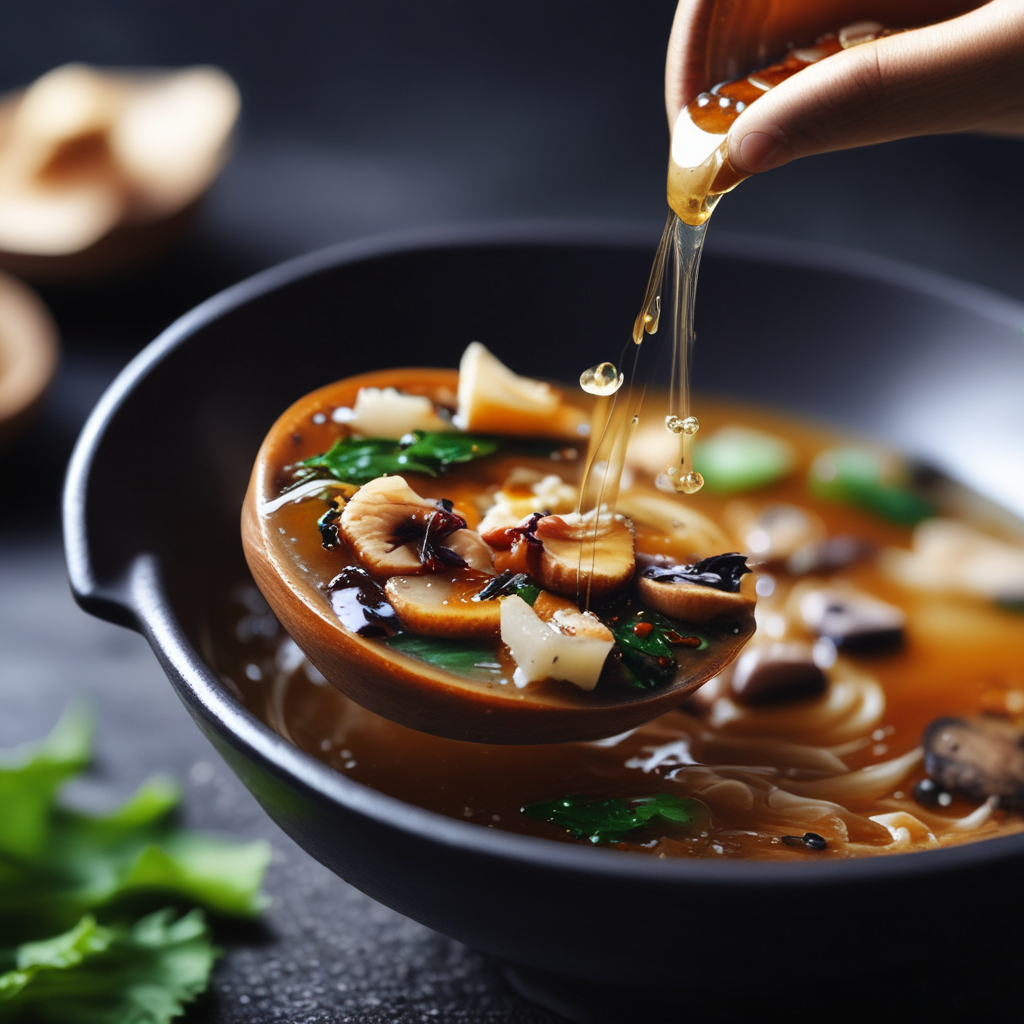
Ever wonder why your grandmother’s tomato sauce tastes exponentially better with a sprinkle of aged Parmesan? Or why that simple Japanese dashi made from seaweed and fish flakes creates such an impossibly rich, satisfying flavor? The answer lies in a century-old scientific discovery that revealed these aren’t just delicious traditions—they’re chemically perfect formulas that amplify taste intensity by up to 800%.
The Game-Changing Discovery That Revolutionized Flavor Science
In 1907, Japanese chemist Kikunae Ikeda made a breakthrough that would forever change our understanding of taste. While analyzing the distinctive flavor of kombu seaweed broth, Ikeda identified something beyond the four recognized tastes of sweet, sour, salty, and bitter. He called it umami—literally meaning “pleasant savory taste” in Japanese—and declared it the fifth fundamental taste.
What Ikeda discovered wasn’t just another flavor note. He had unlocked the secret behind why certain food combinations have been beloved across cultures for millennia. According to research documented on umami science, this fifth taste is triggered by glutamates and ribonucleotides, compounds naturally present in aged cheeses, cured meats, mushrooms, tomatoes, and fermented foods.
The Shocking 8x Amplification Effect That Explains Everything
Here’s where umami gets truly mind-blowing: unlike the other four tastes, umami’s power lies in synergy. When foods rich in glutamate combine with ingredients containing ribonucleotides, something extraordinary happens.
The Science Behind the Magic
Research reveals that these combinations don’t just add together—they multiply. The resulting taste intensity can be up to eight times higher than what each ingredient contributes individually. This explains why:
- Tomato sauce + Parmesan cheese creates exponentially more flavor than either alone
- Kombu seaweed + bonito flakes in dashi produces impossibly rich broth
- Mushrooms + aged beef in stews taste incredibly satisfying
- Soy sauce + shiitake mushrooms create depth that seems magical
As noted by umami taste research, this synergy effect means that “when foods rich in glutamate are combined with ingredients that have ribonucleotides, the resulting taste intensity is higher than would be expected from merely adding the intensity of the individual ingredients.”
Ancient Wisdom Meets Modern Science: Why Traditional Recipes Are Actually Perfect Formulas
What’s truly fascinating is that cultures around the world independently developed these scientifically perfect combinations long before anyone understood the chemistry behind them. Our ancestors didn’t know about glutamate-ribonucleotide synergy—they just knew certain combinations tasted incredible.
Classic Pairings Decoded
Modern umami taste science reveals that these beloved traditional combinations are actually optimized flavor formulas:
- Italian cuisine: Tomatoes (glutamate) + Parmesan (glutamate + natural amplifiers)
- Japanese cuisine: Kombu seaweed (glutamate) + bonito flakes (ribonucleotides)
- French cuisine: Aged cheeses (glutamate) + cured meats (ribonucleotides)
- Chinese cuisine: Soy sauce (glutamate) + shiitake mushrooms (ribonucleotides)
According to culinary science research, these combinations represent thousands of years of unconscious optimization, where humans naturally gravitated toward the most satisfying flavor combinations without understanding why.
The Dark Side: When Umami Goes Too Far
But here’s the catch—more umami isn’t always better. There’s a precise threshold where umami enhancement becomes umami overload, and the results are distinctly unpleasant.
The Metallic Taste Threshold
When you combine too many high-glutamate ingredients—think MSG, soy sauce, and aged Parmesan all together—something surprising happens: the food develops a metallic, unpleasant taste. This reveals why balance is crucial in cooking and why traditional recipes rarely overdo umami ingredients.
Professional chefs understand this instinctively. The key is using umami to enhance, not dominate. If a dish feels “heavy” or “off,” you’ve likely crossed the umami threshold.
Revolutionary Applications: How Understanding Umami Science Changes Everything
This scientific understanding is transforming both professional kitchens and home cooking. Modern chefs are applying umami principles to create new combinations and enhance existing recipes.
Practical Umami Hacks
Understanding the glutamate-ribonucleotide synergy opens up countless possibilities:
- Enhance vegetarian dishes: Add mushrooms (natural glutamate) to tomato-based sauces
- Boost meat dishes: Include aged cheeses or fermented ingredients
- Improve soups: Combine seaweed with mushroom or meat-based broths
- Upgrade pasta: Use fish sauce or anchovies with tomato sauces
As highlighted in recent culinary trends, even traditional spice-focused cuisines are incorporating umami principles, with chefs noting that “MSG can harmoniously coexist with other tastes and is used in everything from ramen to risottos to red curry.”
The Global Umami Revolution
What’s emerging is a new understanding that umami is universal. Every major cuisine has independently discovered these principles, suggesting that humans have an innate ability to detect and crave these synergistic effects. Foods naturally rich in umami include:
- Aged and fermented products (cheeses, cured meats, fish sauce)
- Mushrooms (especially shiitake and porcini)
- Tomatoes and tomato products
- Seaweed and sea vegetables
- Nuts and seeds
- Fermented soy products
The Future of Flavor: Where Umami Science Is Heading
As our understanding of umami taste science deepens, we’re discovering that this fifth taste may hold keys to addressing modern challenges like creating more satisfying plant-based foods, reducing sodium in processed foods, and understanding why certain comfort foods are so psychologically satisfying.
The revelation that our ancestors unknowingly mastered sophisticated flavor chemistry through trial and error suggests there’s still much to discover about the intersection of taste, culture, and human psychology. What seemed like simple tradition was actually advanced food science—and understanding this opens up infinite possibilities for creating more delicious, satisfying, and innovative cuisine. The next time you taste that perfect combination of flavors, remember: you’re experiencing thousands of years of unconscious optimization, backed by cutting-edge science that reveals why some tastes are simply meant to be together.
Food & Drink
What Happens Inside Your Brain During Stress Eating Is Shocking
Your brain literally rewires itself when stressed, creating specific food cravings. Discover the hidden neurochemical processes behind emotional eating.
Published
8 months agoon
February 17, 2026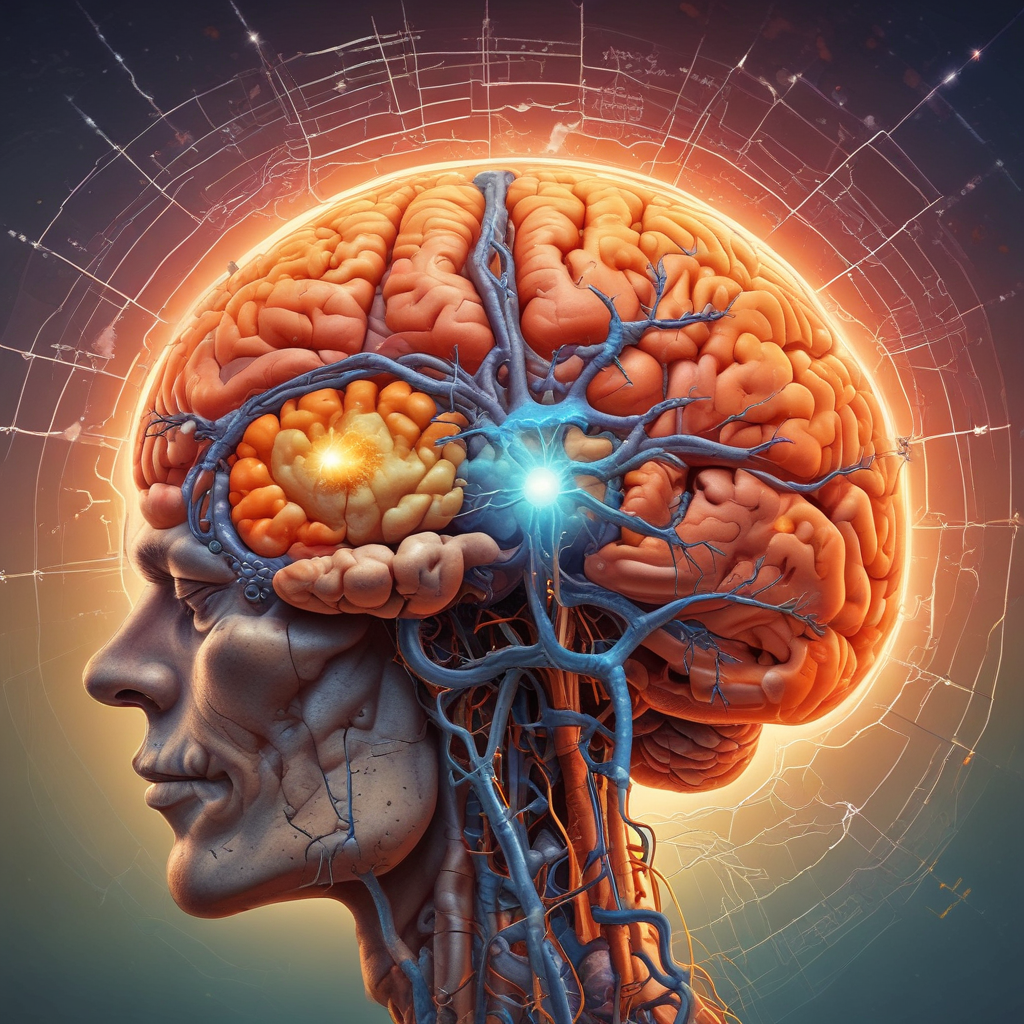
At 2 AM, you find yourself standing in front of an open refrigerator, reaching for that pint of ice cream despite having eaten dinner just hours ago. Sound familiar? What you’re experiencing isn’t a lack of willpower—it’s your brain being hijacked by a complex neurochemical process that literally rewires your taste preferences when you’re stressed.
Recent groundbreaking research reveals that emotional eating science involves measurable changes in brain chemistry that create an irresistible urge for specific comfort foods. Unlike simple hunger, stress eating represents a fundamental shift in how your neural pathways process food cravings, transforming your relationship with food from sustenance into a sophisticated coping mechanism.
The Neurochemical Takeover: How Stress Rewires Your Brain
When you’re under stress, your brain doesn’t just make you want food—it completely transforms which foods you crave and why. Sydney scientists have discovered that stress combined with calorie-dense comfort food creates measurable brain changes that drive more eating and boost cravings for sweet, highly palatable foods.
This neurochemical transformation happens through several key processes:
- Cortisol release floods your system, triggering specific hunger signals
- Dopamine pathways become hypersensitive to high-fat, high-sugar foods
- Neural reward circuits prioritize immediate gratification over long-term health
- Memory centers activate associations between specific foods and emotional comfort
The most fascinating aspect of this process is that your brain doesn’t just want any food—it develops laser-focused cravings for particular textures, flavors, and food combinations that it has learned provide emotional relief.
The Chemistry of Comfort Food Addiction
Research shows that comfort foods provide what experts call “emotional nutrition” in the form of familiar tastes and a sense of security during stressful situations. However, when consumed in large quantities, these foods become genuinely addictive due to their impact on brain chemistry.
The combination of stress hormones and high-calorie foods creates a feedback loop that strengthens neural pathways associated with emotional eating, making future stress-induced cravings even more powerful and specific.
Decoding the Craving Code: Why Chocolate, Not Carrots
Ever wonder why stress makes you crave a warm chocolate chip cookie instead of a crisp apple? The answer lies in how your brain processes different types of foods during emotional distress. Academic research on emotional eating reveals that negative emotions and social norms act as triggers for very specific food preferences.
Your stressed brain seeks out foods with particular characteristics:
- High sugar content for immediate energy and mood elevation
- Creamy or soft textures that provide sensory comfort
- Familiar flavors associated with positive memories
- High calorie density to satisfy the perceived need for energy reserves
The Memory Connection
Your food cravings during stress aren’t random—they’re deeply connected to your emotional memories. Foods that provided comfort during childhood, celebrations, or previous stressful periods become neurologically “tagged” as solutions to emotional distress.
This is why different people crave different comfort foods based on their personal history and cultural background. Your brain has essentially created a personalized emotional eating “prescription” based on past experiences.
The Tale of Two Hungers: Physical vs Emotional
Understanding the difference between true hunger and emotional eating is crucial for breaking the stress-food cycle. Medical research shows that unlike true hunger which builds gradually, stress-driven cravings strike suddenly after triggering events and center on specific comfort foods rather than balanced meals.
Physical Hunger Characteristics:
- Develops gradually over time
- Can be satisfied with various healthy foods
- Stops when you feel physically full
- Comes with physical symptoms like stomach growling
- Doesn’t create guilt or shame
Emotional Hunger Characteristics:
- Strikes suddenly and feels urgent
- Craves specific comfort foods only
- Persists even after feeling physically full
- Often triggered by emotions, not physical sensations
- Frequently followed by guilt or regret
Mayo Clinic research indicates that many adults turn to food for comfort when feeling tired, anxious, inadequate, or lonely—a pattern that represents emotional eating rather than nutritional need.
Breaking the Stress-Food Feedback Loop
The good news is that understanding the science behind emotional eating empowers you to work with your brain’s wiring rather than against it. Since stress eating involves learned neural pathways, these patterns can be gradually rewired through conscious intervention.
Identifying Your Triggers
Common emotional eating triggers include:
- Stress and anxiety from work, relationships, or major life changes
- Boredom or loneliness that creates a need for stimulation
- Social situations where food becomes a coping mechanism
- Fatigue that makes emotional regulation more difficult
- Negative emotions like sadness, anger, or disappointment
Rewiring Your Response
Effective strategies for managing emotional eating focus on addressing the underlying emotional needs rather than simply restricting food:
- Pause and identify the emotion behind the craving
- Practice alternative comfort activities like deep breathing, taking a warm bath, or calling a friend
- Keep a food and mood journal to identify patterns
- Ensure adequate sleep and regular meals to prevent vulnerability to emotional eating
- Develop stress management techniques that address root causes
Your Relationship with Food Reveals Everything
Food anxiety experts note that our relationship with food can reveal a great deal about us, often reflecting unmet emotional needs, deep-seated insecurities, or old fears. Research on intuitive eating shows that some people use food or food-related behaviors to deal with uncomfortable thoughts or emotions, such as anxiety, stress, loneliness, or boredom.
By understanding the emotional eating science behind your cravings, you gain insight into not just your eating patterns, but your emotional landscape as well. This awareness becomes the first step toward developing a healthier, more balanced relationship with both food and stress management.
The next time you find yourself reaching for comfort food during a stressful moment, remember that your brain is simply trying to help you cope using the tools it has learned. By working with these neural patterns rather than fighting them, you can gradually teach your brain new, healthier ways to process stress while still honoring your need for comfort and emotional support.
Food & Drink
Why Alpacas Hold the Secret to Cat Allergy Relief Will Blow Your Mind
Revolutionary cat food uses alpaca proteins to reduce Fel d 1 allergens at the source. Discover how nanobodies are changing pet nutrition forever.
Published
8 months agoon
February 16, 2026
Imagine never having to choose between loving cats and breathing freely again. For the 10% of the population suffering from feline allergies, this dream is becoming reality through one of the most unexpected scientific breakthroughs in pet nutrition history.
The Cat Allergy Crisis That’s Been Hiding in Plain Sight
Cat allergies aren’t just about sneezing and watery eyes – they’re a microscopic war happening in millions of homes worldwide. The culprit? A protein called Fel d 1, produced in your cat’s saliva, skin, and sebaceous glands.
Here’s what makes this allergen so insidious:
- Microscopic particles remain airborne for hours after your cat grooms
- Allergens stick to surfaces for months, even after deep cleaning
- Every lick, every purr, every cuddle spreads these invisible triggers
- Traditional air purifiers and medications only manage symptoms, never addressing the source
The American College of Allergy, Asthma & Immunology confirms that cat allergens are among the most persistent environmental triggers, creating an ongoing challenge for pet owners who refuse to give up their feline companions.
The Alpaca Connection: Nature’s Unexpected Allergy Fighter
The breakthrough came from studying South American camelids – specifically alpacas. These woolly creatures possess something extraordinary: an immune system that produces nanobodies, single-domain antibodies that are 10 times smaller than conventional antibodies.
What Makes Nanobodies Revolutionary
Unlike traditional antibodies, nanobodies are incredibly efficient at neutralizing threats. Here’s why they’re game-changers for cat food allergen reduction:
- Ultra-small size: Can penetrate and bind to allergens more effectively
- High stability: Remain active in various environmental conditions
- Precise targeting: Specifically designed to neutralize Fel d 1 proteins
- Natural origin: Mimics nature’s own defense mechanisms
According to veterinary research published in dvm360, these nanobodies can render allergens “unrecognizable to the human immune system.”
From Alpaca Farm to Your Cat’s Bowl: The Science Behind the Magic
The genius lies not just in discovering alpaca nanobodies, but in recreating them artificially. Scientists at companies like Pacagen have successfully reproduced these nanobodies using nonpathogenic E. coli bacteria.
The Manufacturing Process
This isn’t science fiction – it’s happening right now in laboratories:
- Bacterial factories: E. coli bacteria are engineered to produce alpaca-inspired nanobodies
- Purification: Nanobodies are extracted and refined for safety
- Food integration: Proteins are incorporated into cat food toppers
- Delivery: Cats consume the nanobodies, which then neutralize Fel d 1 in their saliva
The Journal of Clinical Medicine explains that this approach targets the complex immunological mechanisms responsible for allergic reactions at their source rather than treating symptoms.
Real-World Impact: What Cat Owners Are Experiencing
Early adopters of this revolutionary cat food allergen reduction technology are reporting remarkable results. The approach represents the first commercially available solution that treats cat allergies at their origin.
Effectiveness and Timeline
Clinical observations suggest:
- Gradual reduction in environmental Fel d 1 levels over 4-6 weeks
- Significant improvement in allergy symptoms for sensitive individuals
- No adverse effects reported in feline test subjects
- Maintained effectiveness with consistent use
The visual of tiny bacteria factories producing alpaca-inspired proteins to help cats and humans coexist better tells a compelling story of modern biotechnology solving age-old problems.
The Future of Human-Pet Coexistence
This breakthrough opens doors to treating other pet-related allergies at their source. Research is already exploring applications for:
- Dog allergens: Targeting Can f 1 and other canine proteins
- Small mammals: Addressing rabbit, hamster, and guinea pig allergens
- Customized solutions: Tailored nanobodies for specific allergy profiles
Veterinary professionals are calling this a paradigm shift in how we approach pet allergies, moving from symptom management to source elimination.
Availability and Access
While still emerging, hypoallergenic cat food products using this technology are becoming available through:
- Specialized veterinary clinics
- Premium pet nutrition retailers
- Direct-to-consumer online platforms
- Prescription pet food programs
The cost reflects the advanced biotechnology involved, but early users report the investment pays off in improved quality of life and reduced medical expenses for allergy management.
A New Chapter in Pet Ownership
This revolutionary approach to cat food allergen reduction represents more than just a new product – it’s a fundamental shift in how we think about human-animal relationships. By using alpaca-inspired nanobodies produced by engineered bacteria, science has created a bridge between species that seemed impossible just decades ago.
For millions of cat lovers who’ve suffered in silence or faced the heartbreaking choice between their pets and their health, this breakthrough offers hope. The future of pet ownership just got a lot more inclusive, thanks to some unlikely heroes from South American farms and the brilliant scientists who unlocked their secrets.


Trending

 Art & Design11 months ago
Ancient Potters’ 3,500-Year-Old Chemistry Secret That Still Baffles Scientists

 Historical Figures11 months ago
7 Anonymous Heroes Who Changed History Forever – 3 Will Shock You

 Global News10 months ago
Hidden Economic Warfare: How Climate Deals Secretly Control Global Trade

 Ancient History9 months ago
Ancient Incas Built Bridges From Grass That Armies Crossed – 600 Years Later They’re Still Standing

 Fun Facts11 months ago
Universe Size Comparisons That Will Blow Your Mind

 Ancient History9 months ago
Ancient Pyramid Workers Left 4,500-Year-Old Graffiti That Rewrites History

 Fun Facts11 months ago
Scientists Just Discovered Space Isn’t Silent – The Sounds Will Shock You

 News & World10 months ago
Urban Explorers’ Most Terrifying Encounters in ‘Empty’ Buildings