
Culture
Why Some Cultural Traditions Go Viral: Hidden Psychology
Discover the hidden psychology behind cultural phenomena that determines why some traditions capture global attention while others disappear forever.

Published
11 months agoon

Why does Iceland’s quirky baby naming committee fascinate people worldwide while countless ancient rituals vanish without a trace? The answer lies in the hidden cultural phenomena psychology that governs what captures our collective imagination and what fades into obscurity.
Every day, we witness traditions rise and fall, trends explode across social media, and cultural practices either spread like wildfire or die quiet deaths. Understanding this invisible process reveals the deepest truths about human nature and social behavior.
What Are Cultural Phenomena and Why Do They Matter?
Most people misunderstand what cultural phenomena actually are. It’s not the popular thing itself – whether that’s K-dramas, viral TikTok dances, or ancient festivals. The cultural phenomenon is the process of something becoming popular, not the end result.
This distinction is crucial because it shifts our focus from the symptoms to the cause. When we study cultural phenomena, we’re examining the invisible social mechanisms that determine collective behavior.
The Process Behind Cultural Transmission
Cultural phenomena operate through several key mechanisms:
- Social proof – people adopt behaviors they see others practicing
- Emotional resonance – traditions that trigger strong feelings spread faster
- Narrative power – practices with compelling stories behind them survive longer
- Practical utility – customs that serve real purposes endure
Consider how Korean dramas achieved global popularity among Gen-Z in 2024-2025. The shows themselves aren’t the phenomenon – it’s the process by which they captured international audiences despite language barriers and cultural differences.
The Psychology Behind Cultural Survival
Human psychology contains built-in biases that determine which cultural elements survive and which disappear. Our brains are wired to favor certain types of information and behaviors over others.
Cognitive Biases That Shape Culture
Memory bias plays a huge role in cultural transmission. Traditions that create memorable stories – like Greece’s custom of throwing children’s lost teeth onto the roof for good luck – stick in our minds better than mundane practices.
The availability heuristic means we overvalue cultural elements we can easily recall or imagine. This explains why dramatic ceremonies and colorful festivals often outlast subtle daily customs.
The Neurological Basis of Cultural Adoption
Recent neuroscience research reveals that our brains process cultural information through the same pathways used for survival decisions. When we encounter new cultural practices, our minds unconsciously evaluate:
- Does this help me belong to a group?
- Does this signal status or identity?
- Does this meet an emotional need?
- Is this easy to understand and remember?
Practices that score high on these criteria have better survival odds. This explains why some unique cultural traditions persist for centuries while others vanish within a generation.
Modern Case Studies: Psychology in Action
Today’s digital age provides perfect laboratories for observing cultural phenomena psychology in real-time. Social media platforms accelerate cultural transmission, but the underlying psychological principles remain unchanged.
The K-Drama Global Explosion
Korean television dramas exemplify how modern cultural phenomena operate. Their global success wasn’t accidental – it tapped into universal psychological needs:
- Emotional catharsis through melodramatic storytelling
- Cultural curiosity satisfied by glimpses into Korean society
- Social connection formed through shared viewing experiences
- Identity exploration via relatable characters and situations
The phenomenon spread because creative collaborations and global connectivity enabled rapid cultural diffusion across traditional boundaries.
Celebrity-Driven Cultural Trends
March 2025’s pop culture trends reveal another psychological pattern. Celebrity-endorsed campaigns and wellness collaborations succeeded because they leveraged authority bias – our tendency to follow influential figures.
But not all celebrity-driven trends survive. Those that fail typically lack authentic connection to deeper cultural values or psychological needs.
The Death and Rebirth Cycle of Cultural Traditions
Understanding why cultural phenomena die provides as much insight as studying why they succeed. Cultural death follows predictable patterns that reveal human psychology in action.
Why Traditions Disappear
Cultural lag explains many tradition deaths. When societies change faster than their customs can adapt, practices become irrelevant. For example, elaborate letter-writing traditions couldn’t compete with instant digital communication.
Other death factors include:
- Loss of practical purpose
- Failure to attract younger generations
- Competition from more appealing alternatives
- Breakdown of transmission mechanisms
How Dead Traditions Resurrect
Some cultural practices experience surprising resurrections. Vinyl records, traditional crafts, and ancient wellness practices have all returned to popularity after near-extinction.
These revivals succeed when old practices meet new psychological needs. Consumer behavior and social connections drive these resurrections as people seek authenticity in an increasingly digital world.
Predicting Future Cultural Phenomena
The cultural phenomena psychology that operated in ancient Sumerian civilization – dating back to 3100 BCE – still influences today’s viral trends. By understanding these patterns, we can predict which current practices might endure and which will fade.
Signs of Cultural Staying Power
Traditions with the best survival odds share these characteristics:
- They adapt to new contexts while maintaining core meaning
- They serve multiple psychological functions
- They create strong emotional memories
- They facilitate social bonding
- They tell compelling stories
Looking at 2025 trends, practices that combine traditional elements with modern innovation show the strongest survival potential. Ancient civilizations like the Nubians demonstrate how cultural elements can survive thousands of years when they meet these criteria.
The Future of Cultural Evolution
As we move forward, digital platforms will continue accelerating cultural transmission, but human psychology remains the ultimate filter. Practices that satisfy our deep-seated needs for belonging, meaning, and identity will thrive regardless of technology.
Understanding Our Cultural Moment
The hidden psychology behind cultural phenomena reveals that we’re not passive consumers of culture – we’re active participants in an ongoing evolutionary process. Every time we share a trend, adopt a practice, or abandon a tradition, we’re voting on what aspects of human culture deserve to survive.
By recognizing these psychological patterns, we gain power to shape cultural evolution more consciously. We can preserve valuable traditions that might otherwise disappear while remaining open to beneficial new practices that meet our evolving needs.
The next time you witness a cultural phenomenon taking off – or fading away – remember that you’re observing one of humanity’s most fundamental processes: the collective decision about what matters most to us as a species.

You may like

Why Your City’s Name Isn’t What You Think – The Hidden Truth Revealed

What 95% of Dieters Don’t Know About Food Marketing Is Mind-Blowing

Award Shows’ Secret Power Over Your Choices Will Shock You

How Street Art Secretly Rewires Your Brain and Transforms Cities


What Your Brain Actually Does When You Eat Comfort Food Is Shocking


Why History’s Greatest Failures Became Legends Will Change Your Mind
Culture
Film Scores Shape Your Memories More Than You Ever Imagined
Discover how movie soundtracks secretly manipulate cultural memory and emotions through hidden psychological techniques that composers use worldwide.
Published
8 months agoon
February 18, 2026
Have you ever heard a few notes of music and instantly felt transported to the Wild West, even though you’ve never been there? That’s not coincidence—it’s psychological manipulation at its finest. Film scores cultural impact extends far beyond entertainment, quietly reshaping how entire generations perceive history, culture, and even their own memories through carefully crafted sonic associations.
The Morricone Method: How One Composer Rewrote Western Culture
Ennio Morricone didn’t just write music for spaghetti westerns—he created an entirely new cultural language. For “The Good, The Bad, and The Ugly,” Morricone combined post-tonal music theory with Celtic songs, Gregorian chants, and mariachi trumpets to forge what we now consider the definitive “Wild West” sound.
The genius lies in this musical alchemy. By blending diverse cultural elements, Morricone tapped into deep psychological associations that audiences didn’t even realize they possessed. According to film music research, this technique of drawing from worldly influences allows scores to cement themselves into popular culture in ways that pure innovation cannot.
The Psychology Behind Musical Memory
Why does this work so effectively? Movie music psychology reveals that our brains form powerful connections between sound and visual imagery. When composers use familiar musical elements from various cultures, they create instant emotional shortcuts. These shortcuts become so powerful that:
- Hearing mariachi trumpets immediately evokes dusty desert landscapes
- Celtic melodies trigger feelings of ancient mysticism
- Gregorian chants add gravitas and timeless weight
- The combination creates “false memories” of experiences we’ve never had
Modern Musical Time Travel: The 2026 Revival Effect
This cultural memory-making isn’t stuck in the past. Music nostalgia trends in 2026 show a fascinating revival of 1950s vintage sounds and Japanese Neo City Pop, largely driven by their appearances in contemporary films and streaming content.
Current music industry analysis reveals that content creators are deliberately choosing these sounds because they feel “immersive, intentional, and dramatically more engaging through hybrid sounds and nostalgic revivals.”
The Sonic Time Machine Effect
Here’s where it gets really interesting: film soundtrack influence is creating nostalgic connections to eras most audiences never experienced firsthand. Young people hearing 1950s-inspired scores in modern films develop emotional attachments to a decade they know only through media representation.
This phenomenon works through several mechanisms:
- Cultural DNA: Musical patterns carry embedded cultural information
- Emotional Priming: Certain chord progressions trigger universal emotional responses
- Collective Memory: Shared musical experiences create group identity
- Temporal Displacement: Music can make past eras feel personally relevant
The Social Media Amplification Chamber
Digital platforms have transformed how cinematic cultural memory spreads through society. Popular culture research shows that social media platforms now create active movements to defend and promote subjects featured in films, dramatically accelerating the cultural penetration of film music.
TikTok trends, Instagram reels, and YouTube covers turn movie soundtracks into viral phenomena within hours. A single film score can now reach billions of people and influence their cultural perceptions faster than ever before in human history.
The Global Cultural Homogenization
This rapid spread creates both opportunities and concerns. While film scores can introduce audiences to diverse musical traditions, they also risk oversimplifying complex cultures into digestible sonic stereotypes. The line between cultural appreciation and appropriation becomes increasingly blurred when Ennio Morricone techniques inspire countless imitators who may lack his deep understanding of the source materials.
Neuroscience Meets Cinema: Why Our Brains Can’t Resist
Recent neuroscientific research explains why film scores wield such powerful influence over our cultural memories. Our brains process music and emotion in interconnected regions, meaning that musical experiences become deeply embedded in our memory networks.
Contemporary cultural analysis demonstrates that film music creators understand these neural pathways and deliberately design scores to maximize emotional impact and memorability.
The Composer’s Toolkit for Cultural Manipulation
Professional film composers employ specific techniques to shape cultural perception:
- Leitmotif Layering: Associating specific melodies with cultural concepts
- Harmonic Anchoring: Using familiar chord progressions to establish emotional safety
- Rhythmic Coding: Embedding cultural rhythms to trigger subconscious recognition
- Timbral Painting: Choosing instruments that carry cultural baggage
The Future of Cultural Memory-Making
As we look ahead, film scores cultural impact will only intensify. Virtual reality, augmented reality, and immersive media experiences will create even more powerful associations between music and memory. Artificial intelligence is already being used to analyze which musical combinations create the strongest emotional responses in different cultural groups.
The implications are profound: future generations’ understanding of history, culture, and even reality itself will be increasingly shaped by the musical choices made in entertainment media. Industry forecasts suggest that hybrid sounds and nostalgic revivals will continue dominating because they create the strongest psychological connections with audiences.
Perhaps most remarkably, we’re all unconscious participants in this grand experiment of cultural memory-making. Every time we hear a film score and feel transported to another time or place, we’re experiencing the hidden power of music to shape not just our emotions, but our very understanding of the world around us. The next time you watch a movie, listen carefully—you might just hear the sound of culture being created in real time.
Culture
The Hidden Message Behind Every :) That Changed Communication Forever
Discover how simple keyboard symbols became a universal language that transformed digital communication and created the foundation of internet culture worldwide.
Published
8 months agoon
February 17, 2026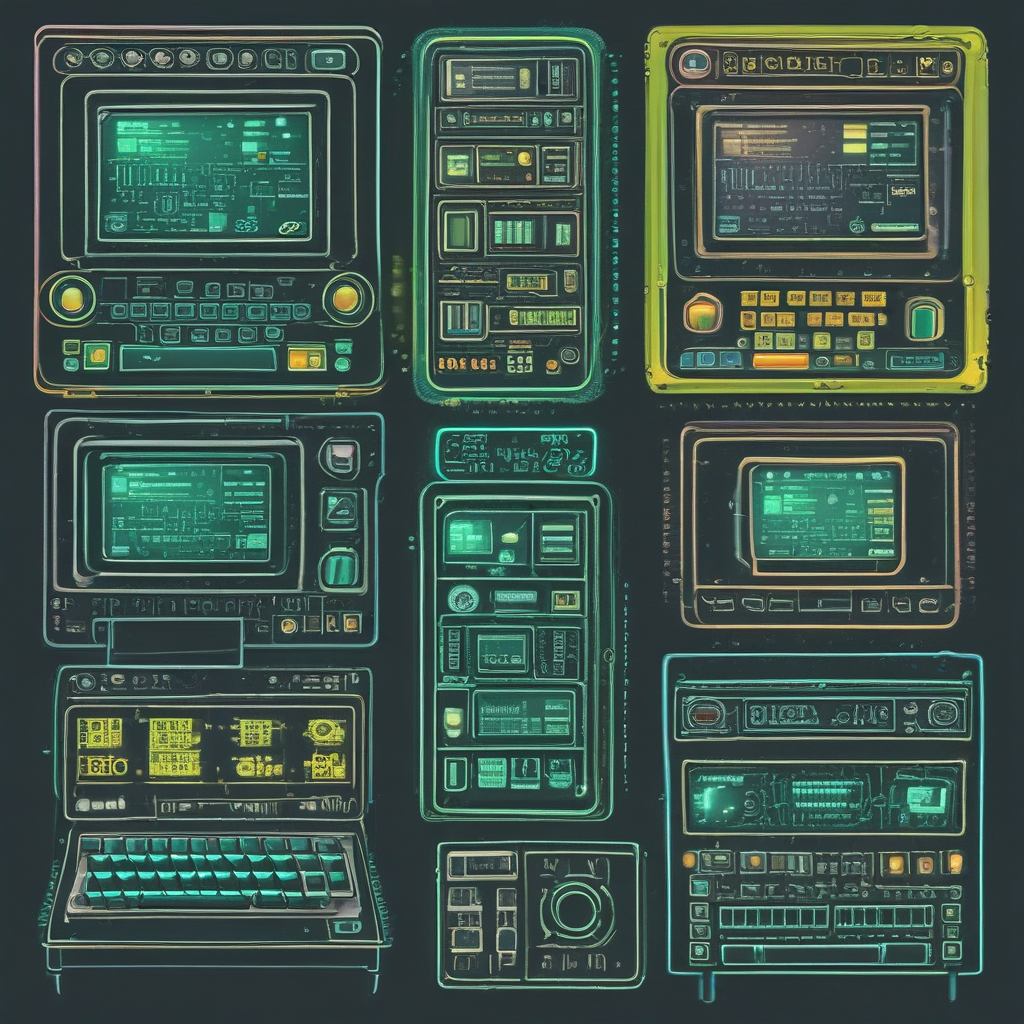
What if we told you that a simple combination of a colon and parenthesis fundamentally changed how humans communicate across the globe? The humble emoticon, born from basic keyboard characters, has evolved into something far more powerful than anyone could have imagined – a universal language of emotion that transcends cultural barriers and has become the DNA of internet culture itself.
From ASCII Characters to Emotional Revolution
The journey of emoticon culture began in the early days of computing when digital communicators faced a critical problem: how do you convey tone and emotion through plain text? The solution came from creative minds who discovered that everyday punctuation marks could be arranged to represent human expressions.
ASCII art evolution started with simple combinations like 🙂 for happiness and 🙁 for sadness, but quickly expanded into more sophisticated expressions. According to comprehensive emoticon documentation, these symbols evolved from basic keyboard characters into complex Unicode symbols, representing a fundamental shift in digital expression.
The Mathematical Foundation of Emotion
Interestingly, many emoticons incorporate mathematical symbols that have centuries of history. The equals sign (=), which forms the base of expressions like =), dates back to the 1560s as a mathematical symbol. This repurposing of ancient notation for emotional expression demonstrates how digital communication history builds upon established symbolic systems.
The Psychology Behind Punctuation Power
Why does a simple (._.) emoticon immediately convey sadness or boredom to millions of people worldwide? The answer lies in how our brains process visual patterns and associate them with facial expressions. Research into text-based emotions reveals that these character combinations trigger the same neural pathways as seeing actual human faces.
- Visual Recognition: Our brains interpret the dots as eyes and the underscore as a downturned mouth
- Emotional Processing: This creates an immediate emotional response similar to seeing a sad face
- Cultural Learning: Through repeated exposure, these associations become deeply ingrained
- Universal Appeal: Basic facial expressions translate across most cultures
The power of emoticons lies in their ability to bridge the gap between digital text and human emotion, creating what researchers call “digital empathy.”
Building Bridges Across Digital Communities
Internet meme culture and emoticons work hand-in-hand to create what experts call participatory culture. According to research on internet phenomena, these digital expressions enable collective meaning-making across diverse communities, functioning as a form of digital social bonding.
The Democratization of Visual Communication
Before emoticons, creating visual communication required artistic skill or expensive design software. Emoticons changed this completely by giving everyone access to expressive tools using nothing more than a standard keyboard. This democratization has had profound implications:
- Accessibility: Anyone with basic typing skills can create emotional expressions
- Speed: Emoticons can be typed faster than descriptive text
- Universality: Basic emotions translate across language barriers
- Creativity: Users continuously invent new combinations and meanings
The result is a constantly evolving participatory culture where users collectively create and refine the meaning of digital expressions.
Cultural Variations in Digital Expression
While emoticons provide universal communication tools, different cultures have developed unique styles that reflect their communication norms. Eastern emoticons, for example, often focus on the eyes rather than the mouth (^_^), while Western emoticons typically emphasize the mouth shape (:D).
These cultural variations demonstrate how digital communities adapt universal tools to reflect local communication preferences, creating rich subcultural expressions within the broader emoticon ecosystem.
The Evolution Continues
Modern Unicode symbols have expanded the emoticon vocabulary exponentially, but the core principle remains the same: simple character combinations that convey complex human emotions. From the basic 🙂 to elaborate kaomoji like ¯\_(ツ)_/¯, each generation of digital communicators builds upon the foundation laid by early ASCII art pioneers.
The Lasting Impact on Digital Relationships
Today’s social media platforms, messaging apps, and digital communication tools all trace their expressive capabilities back to those early emoticon innovations. The influence extends far beyond simple smiley faces:
- Emoji Evolution: Modern emojis are direct descendants of text-based emoticons
- Tone Indication: Emoticons help prevent misunderstandings in digital communication
- Community Building: Shared emoticon usage creates in-group identity
- Emotional Intelligence: Using appropriate emoticons requires understanding context and audience
Studies of emoticon usage show that people who effectively use these digital expressions tend to build stronger online relationships and experience fewer communication conflicts.
More Than Symbols: The DNA of Internet Culture
Emoticons represent far more than cute additions to text messages – they’re fundamental building blocks of how we communicate in the digital age. They’ve taught us that meaning can emerge from collective usage, that simple tools can have profound impacts, and that human creativity finds expression even within the constraints of keyboard characters.
As we move forward into an increasingly digital world, the lessons learned from emoticon culture continue to influence how we design communication tools, build online communities, and express ourselves across digital platforms. The next time you type a simple :), remember that you’re participating in one of the most successful communication revolutions in human history – one that started with nothing more than creative punctuation and became a universal language of human connection.
Culture
The Secret Code Every Internet User Knows But Never Learned
Discover how internet communities created unspoken rules and hidden rituals that shaped modern digital culture – the invisible language we all speak.
Published
8 months agoon
February 16, 2026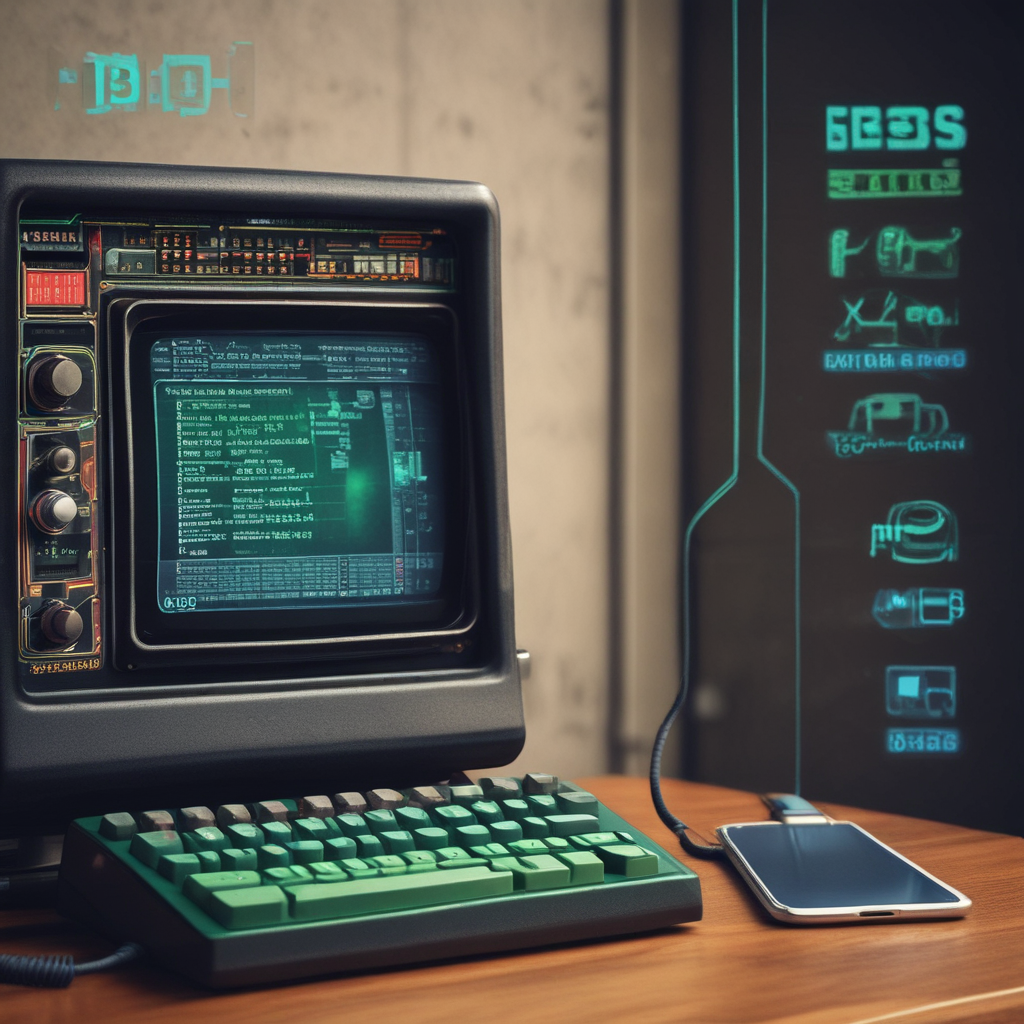
Ever wonder how you instinctively knew not to TYPE IN ALL CAPS on the internet? Or why you understand that three dots… mean something different than a period? Welcome to the fascinating world of digital culture evolution – a hidden language system that billions of people navigate daily without ever receiving formal instruction.
From the humble beginnings of 1970s bulletin board systems to today’s algorithm-driven social media landscape, internet communities have organically developed their own complex web of unspoken rules, rituals, and social norms. These invisible guidelines govern everything from how we argue online to why certain memes go viral while others disappear into digital obscurity.
The Genesis Era: When Digital Culture Was Born
Long before Facebook or Twitter existed, pioneering digital communities on bulletin board systems (BBS), Usenet, and Internet Relay Chat (IRC) were laying the groundwork for modern internet culture. From the 1970s through the 1990s, these text-based platforms became laboratories for social experimentation.
The Foundation of Digital Identity
These early communities established several revolutionary concepts that we take for granted today:
- Pseudonymous identity: Users could reinvent themselves behind screen names
- Technical reputation systems: Status based on knowledge rather than traditional social markers
- Volunteer governance: Community moderation by dedicated users
- Digital etiquette: The birth of “netiquette” and online social norms
According to research on internet culture development, these foundational elements created the invisible backbone that still influences how we interact online today. The pseudonymous nature of early internet culture allowed people to experiment with identity and expression in ways that weren’t possible in face-to-face interactions.
The Great Translation: From Forums to Social Media
As the internet evolved from niche technical communities to mainstream social platforms, something remarkable happened – the unspoken rules developed by early adopters were unconsciously passed down and adapted to new environments.
The Evolution of Digital Language
Consider how these early internet innovations transformed:
- Emoticons to Emojis: The simple 🙂 evolved into thousands of expressive symbols
- Forum signatures to bio links: Personal branding moved from forum footers to social media profiles
- Moderator privileges to platform algorithms: Human governance partially replaced by AI content curation
- Trolling culture to meme culture: Disruptive behavior evolved into creative expression
Today, 90% of consumers rely on social media to keep up with trends and cultural moments, according to Sprout Social’s marketing research. This represents a massive shift from the technical expertise once required to participate in digital culture.
The Algorithm Revolution: Fragmenting Digital Culture
Modern digital culture evolution has entered a new phase entirely. Where early internet culture was unified by shared technical barriers and common platforms, today’s landscape is increasingly fragmented into micro-communities and niche aesthetics.
The Rise of Micro-Communities
Research reveals that “Gen Z Fashion is no longer one unified trend cycle. Instead, it is a collection of micro-communities and niche aesthetics, each with its own influencers, values, and styling norms,” according to behavioral trend analysis. This pattern extends far beyond fashion into every aspect of digital culture.
Algorithm-driven platforms create personalized cultural bubbles where:
- Individual users experience unique content streams
- Niche communities develop highly specific languages and norms
- Viral content spreads through unpredictable pathways
- Cultural influence becomes democratized yet concentrated
The Hidden Power Dynamics of Digital Culture
Behind the apparent democracy of internet culture lies a complex web of power structures that most users never see. Understanding these invisible forces is crucial for navigating modern digital spaces effectively.
Who Really Controls Digital Norms?
Academic research from the Universitas Gadjah Mada reveals that “discourse in digital spaces can become hegemonic for certain groups when it intersects with fragmented desires and power relations. Meanings circulating on social media are never singular or stable; instead, they are continuously produced and contested by various interests.”
This means that what appears to be organic cultural evolution is actually shaped by:
- Platform algorithms that amplify certain content types
- Volunteer moderators who enforce community standards
- Influential users who set trends and norms
- Corporate interests that fund and design platforms
- Invisible technical infrastructure that determines what’s possible
The Reputation Economy
Early internet culture’s emphasis on technical reputation has evolved into today’s complex social media metrics. Followers, likes, shares, and engagement rates have become the new currency of digital status, creating entire economies around attention and influence.
Navigating the Future of Internet Community Norms
As digital culture evolution accelerates, understanding these hidden dynamics becomes increasingly important. The internet’s transformation from a technical tool to a primary social environment means that digital literacy now includes cultural competency across multiple platforms and communities.
The unspoken rules that govern our online interactions continue to evolve, shaped by technological capabilities, generational changes, and global events. What remains constant is the human need to create meaning, establish social bonds, and develop shared understanding – even in digital spaces.
The next time you instinctively know how to behave in a new online community, remember that you’re participating in a decades-long experiment in human social organization. The internet community norms we follow today are the result of millions of individual interactions, countless small innovations, and the collective wisdom of digital pioneers who built the invisible social infrastructure we now take for granted.


Trending

 Art & Design11 months ago
Ancient Potters’ 3,500-Year-Old Chemistry Secret That Still Baffles Scientists
 Historical Figures11 months ago
7 Anonymous Heroes Who Changed History Forever – 3 Will Shock You

 Global News10 months ago
Hidden Economic Warfare: How Climate Deals Secretly Control Global Trade

 Ancient History9 months ago
Ancient Incas Built Bridges From Grass That Armies Crossed – 600 Years Later They’re Still Standing
 Fun Facts11 months ago
Universe Size Comparisons That Will Blow Your Mind
 Ancient History9 months ago
Ancient Pyramid Workers Left 4,500-Year-Old Graffiti That Rewrites History
 Fun Facts11 months ago
Scientists Just Discovered Space Isn’t Silent – The Sounds Will Shock You

 News & World10 months ago
Urban Explorers’ Most Terrifying Encounters in ‘Empty’ Buildings